DbcultAccessing Vault...
Cult Review
Senior Film Conservator
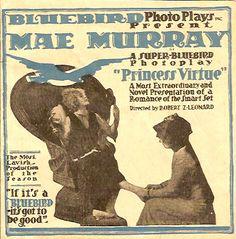
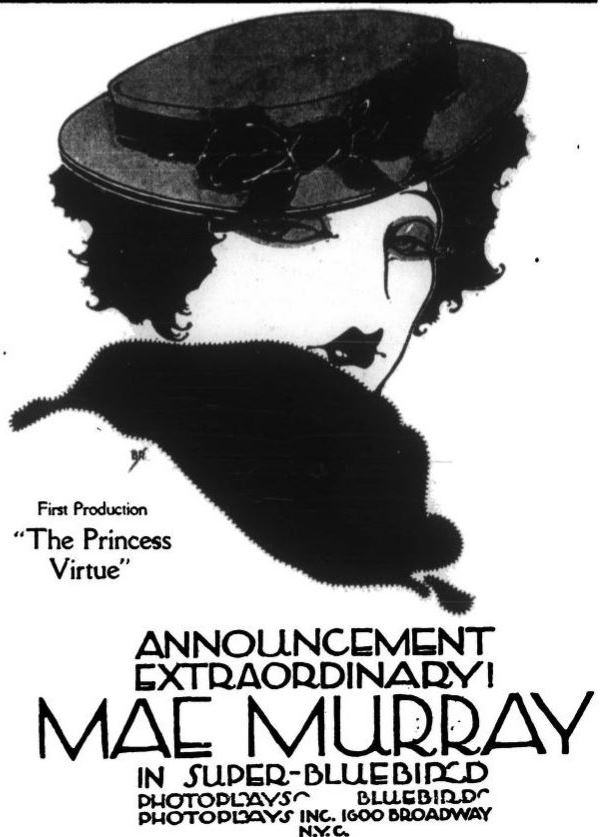
Paris, 1923: electric streetlamps throw honeycombs of light onto wet cobblestones while champagne flutes trill like piccolos above the hum of roulette wheels. Into this fever dream Universal Pictures drops Princess Virtue, a title that sounds like a sermon yet behaves like a wink. The film’s very nomenclature is a bait-and-switch: virtue here is not a dowdy vestal but a high-stakes poker chip, passed from pawnbroker to prince while every player pretends he’s holding a royal flush.
Director Robert Z. Leonard, fresh from coaxing Mae Murray’s gyrating butterfly out of the cocoon, stages the picture as if it were a jewel-box musical without sound. He glides his camera through mirrored ballrooms where chandeliers drip like stalactites of fire, then shoves us into boudoirs wallpapered with forged promissory notes. The effect is vertiginous: every surface gleams, yet every gleam conceals a ledger.
On parchment the story reads like a society-page anecdote: fortune-hunting Count Oudoff (Harry von Meter) lassos a widowed Midas in pearls, Mrs. Van Gordon (Lule Warrenton), and imports her and her nubile daughter Lianne (Mae Murray) to a continent that still believes America is a piggy-bank with legs. Once the Parisian rumor mill learns Lianne’s grandmother keeps a will like a loaded revolver, the city’s titled paupers swarm, offering heart-shaped traps baited with crests older than plumbing.
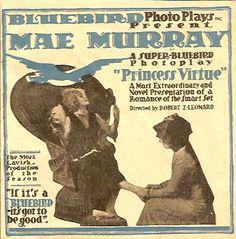
But Fred Myton and Louise Winter’s screenplay folds this fable into origami layers. Each suitor embodies a separate sin of capitalism: the Marquis de Sérigny (John Vosper) is leveraged speculation, betting on futures; Baron de l’Espée (Jean Hersholt) is cronyism, trading embassy secrets for dowry; poor Prince Boriane (Paul Nicholson) is inherited bubble-wealth, already burst but still sparkling in the dark.
Enter Basil (Wheeler Oakman), the cousin dispatched from Chicago as auditor and moral drone. Basil’s very gait is a methodical footnote; he weighs every smile on a scale of sincerity. Yet the moment he steps off the ocean liner the film’s tone pivots from fizzy operetta to moral thriller. Leonard shoots Basil’s first night in Paris like a noir baptism: fog eats the gaslights, a single streetlamp crowns him in a halo of suspicion, and we realize the investigator is also the romance’s white knight—if only he can shed the armor of arithmetic.
Murray’s Lianne is not some virginal caryatid waiting to be rescued; she is a gold-digger’s mirror image who refuses to dig. Watch her eyes during the montage of proposals: they perform a perfect pas de deux of encouragement and retreat, letting each suitor believe he alone has unlocked the vault of her heart while she privately tallies the cost of his appetite. The performance is calibrated to the millimeter—eyebrows raise exactly two frames before the smile curves, suggesting calculation without ever confessing it.
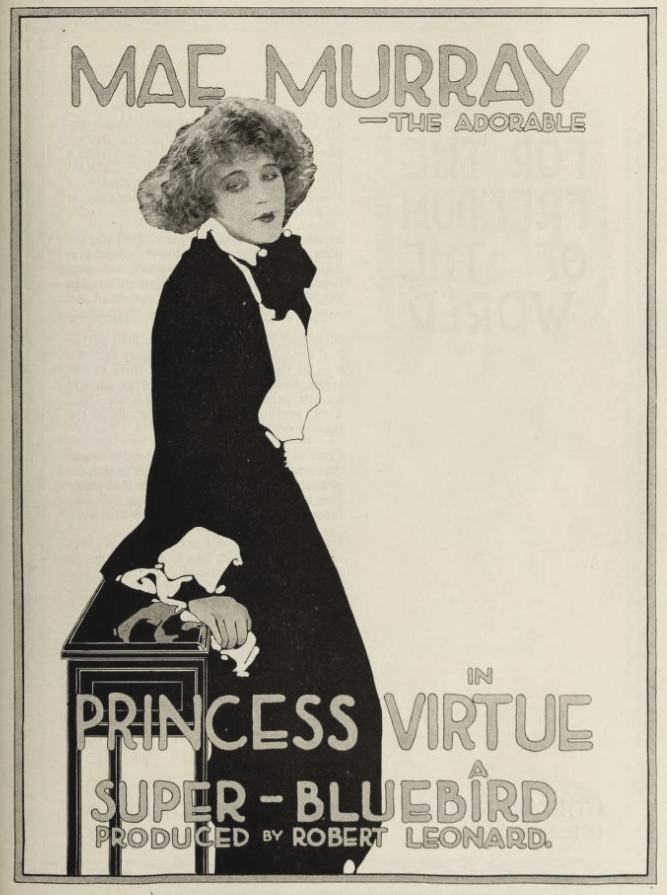
She is aided by a wardrobe department that deserves its own star on Hollywood’s Walk of Fame: a silver-beaded flapper dress that catches the projector beam like scattered comets; a negligee of tulle so airy it seems stitched from the smoke of expired promises. When Murray executes her signature whirlpool spin—arms overhead, torso a corkscrew—the beads blur into a constellation, and for a second the screen becomes a planetarium of desire.
Harry von Meter’s Count Oudoff is a masterpiece of parasitic charisma: he enters parlors sideways, as if slipping through a crack in the moral universe. His moustache is waxed to lethal points; one suspects he could pick locks with it. Yet von Meter lets flickers of self-loathing leak through—an avaricious cousin to The Pretenders’ bankrupt nobles.
Wheeler Oakman, usually typed as lounge-lizard heavy, here strips away menace to reveal a diffident decency. His Basil is all ledger lines until the final reel, when a single close-up—eyes glistening like wet pavement—announces that arithmetic has surrendered to ardor. The quietness of the performance counterbalances Murray’s pyrotechnics, creating a chemical reaction that feels, against all odds, like chaste electricity.
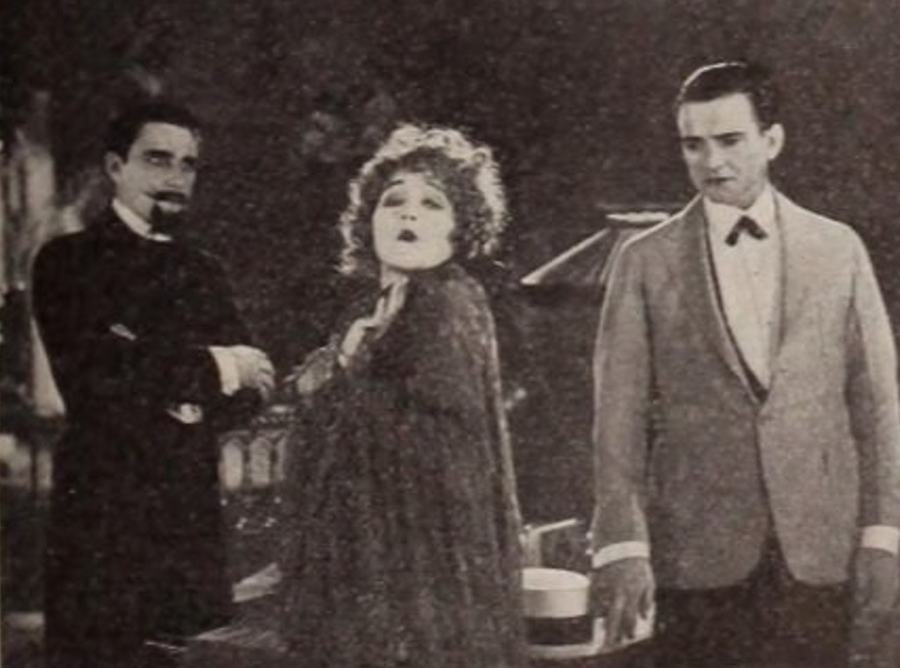
Meanwhile Jean Hersholt, still years away from Hollywood’s favorite physician, turns Baron de l’Espée into a diplomatic hyena: impeccable tailcoat, carnation boutonnière, and a handshake that leaves grease on the glove. Watch him bargain away state secrets for a dowry and tell yourself this is 1923; then check the nightly news and feel the century fold like a paper snake.
Cinematographer King D. Gray shoots Paris like a jewel heist waiting to happen. Ballroom scenes are layered in deep focus: foreground waltzers sparkle, mid-ground card-sharps palming aces, background windows framing the Eiffel Tower’s blinking searchlight—an omniscient third eye. The camera glides on invisible tracks, weaving through couples until it lands on Murray’s face, suddenly in soft focus, as though the lens itself has fallen in love.
Contrast this with the sequences back in Chicago: harsh verticals of skyscrapers, shadows like prison bars, editing that chops time into staccato beats. The cross-cutting strategy anticipates Soviet montage: Europe equals languor and moral quicksand; America equals velocity and ethical clarity. The film never articulates this, yet the visual grammar seeps into your marrow.
Leonard even experiments with what we might today call proto-green-screen: Lianne’s fantasy of the “prince” is rendered in double exposure, a shimmering silhouette superimposed over her spinning body. The effect is cheap but haunting—technology straining toward myth, like a child cupping fireflies and calling them stars.
Though the film is mute, its original cue sheets survive at UCLA: a foxtrot titled “Coin of the Heart” recurs whenever dowry arithmetic surfaces, while a lilting waltz “Velvet Fraud” accompanies the suitors’ parade. The juxtaposition is Brechtian—music alerts the audience to the moral ledger even while characters remain oblivious. Contemporary exhibitors reported audiences humming the tunes on streetcars, turning city commutes into subliminal seminars on cupidity.
Princess Virtue arrived during the brief window when flappers were both marketable and threatening. The picture acknowledges the era’s sexual economy without flinching: every woman is either negotiable currency (the chorus girls rented as party décor), frozen asset (Lianne’s mother, too old to appreciate), or vault (grandmother in Chicago). Yet the film lets Lianne hack the code: she weaponizes her own objectification, turning the gaze back on the gazer until he sees the abyss.
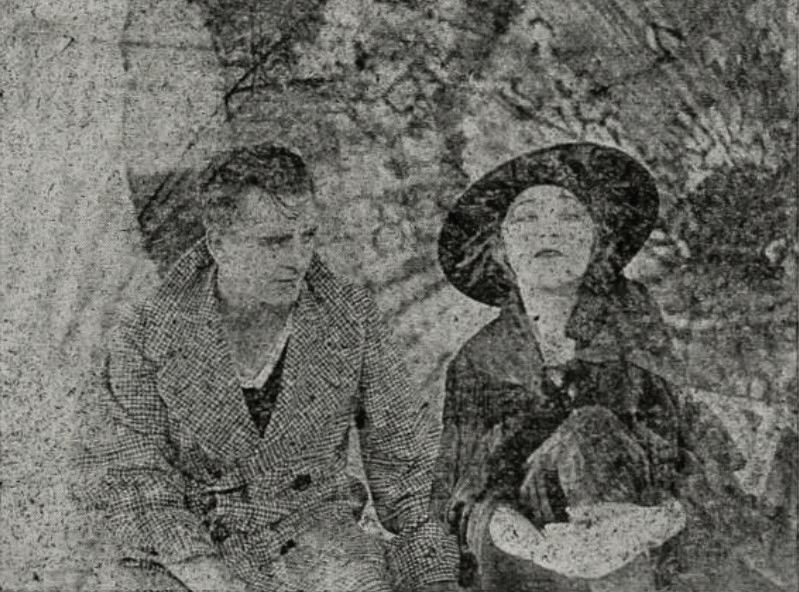
In that sense the movie converses with Other People’s Money’s boardroom bloodletting and Divorce and the Daughter’s alimony arithmetic. All three form a loose triptych about capital colonizing intimacy, though Princess Virtue alone dares to stage the battlefield as cotillion.
Most silent comedies collapse into chase or wedding; Princess Virtue opts for a moral cliff. Basil discovers Oudoff forging signature bonds to pay gambling debts and must choose: expose the crime and shatter Lianne’s already fractured family, or stay silent and watch the girl he loves yoked to a felon. Leonard stages the crisis during a Mardi-Gras bal masqué—everyone in commedia dell’arte masks, identities as fluid as the champagne. The camera adopts Basil’s POV: masks leer, fans snap like guillotines, and the orchestra keeps time with our hero’s accelerating heartbeat.
The resolution arrives not through fisticuffs but bookkeeping: Basil presents the grandmother’s audited ledger to Oudoff in front of the entire party, a public exorcism of debt. The count’s downfall is greeted not with jeers but with an eerie hush—music halts, dancers freeze, and for a breath the film acknowledges that humiliation is another form of violence. Lianne removes her pearl necklace—visual shorthand for inherited burden—and places it in Basil’s hand. No stentorian intertitle declares love; instead Murray simply touches Oakman’s cuff, and the gesture carries the weight of a marriage vow.
For decades the picture languished in the missing-believed-lost crypt, a 35% nitrate print discovered in a disused monastery outside Lyon in 1998. The restoration team digitized at 4K, retaining the cigarette burns and reel-change marks—scars that whisper “I have survived.” The tinting follows archival notes: amber for interiors, cyan for exteriors, rose for fantasies, giving modern viewers the chromatic equivalent of champagne on the tongue.
Swipe-right culture, crypto scams, influencer flexing—nothing in Princess Virtue feels antique. The film foreseals our era where brand is nobility and follower-count is dowry. Lianne’s refusal to trade pedigree for passion anticipates every contemporary voice demanding authenticity receipts. Meanwhile the parade of titled grifters rhymes with reality-TV dukes selling protein powder on Instagram.
Critics who dismiss silent cinema as melodrama miss the granular cynicism pictures like this smuggle across the footlights. Without spoken dialogue, body language becomes scalpel: a tremor at the corner of a smile, a gloved finger tapping a card table, the way Murray’s pupils dilate the instant she recognizes real affection amid the counterfeit. These micro-gestures feel more intimate than 4K close-ups in modern rom-coms because they demand the audience lean forward, become co-authors.
Princess Virtue is both time capsule and mirror: a rococo fable that keeps photocopying itself onto the present. It delights, it bites, it pirouettes on the knife-edge between romance and repulsion. Watch it for Murray’s maelstrom dance, stay for the chill recognition that the highest title any of us can claim is not prince or count but honest citizen. When the lights come up you may check your wallet—less from fear of pickpockets than from sudden awareness that every heart, including your own, has a price tag; the brave thing is to refuse the highest bidder.
Verdict: A glittering morality tale whose silents speak louder than talkie sermons. See it on the largest screen you can find, preferably beside someone who swears gold-digging is a relic. Then count how many times they fidget once the lights go down.
IMDb 7
1922
Community
Log in to comment.