Summary
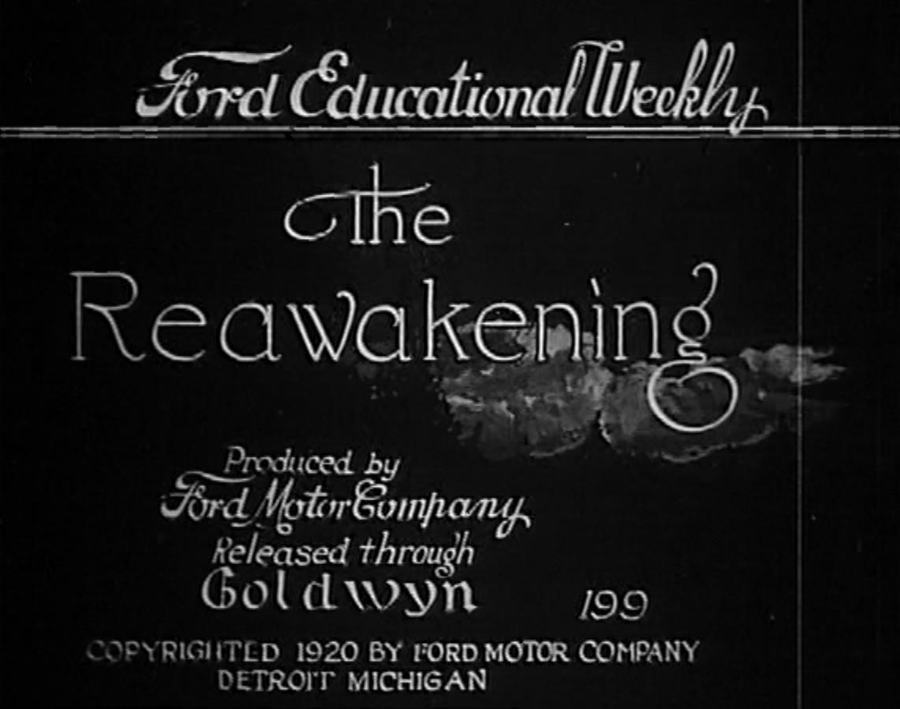
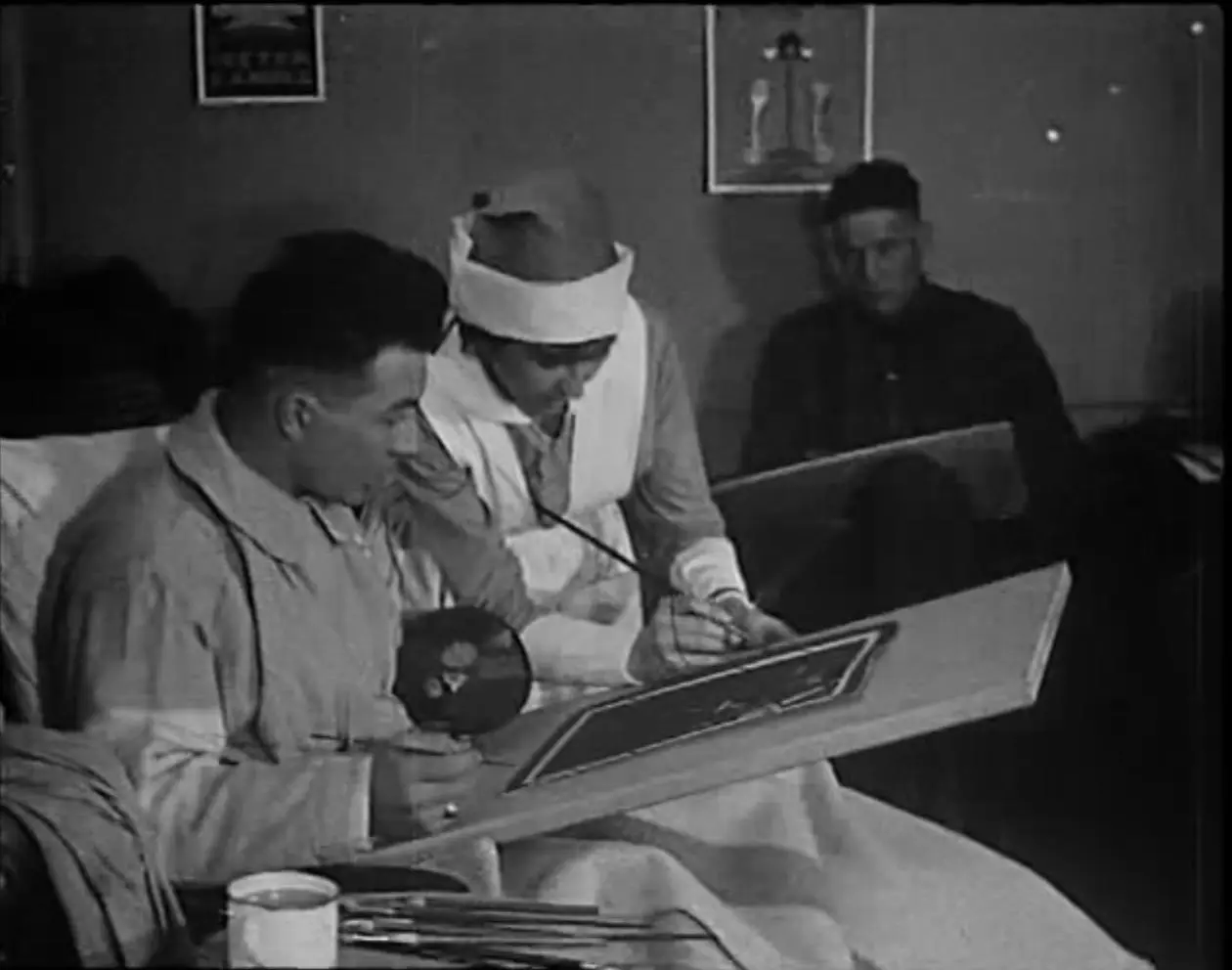
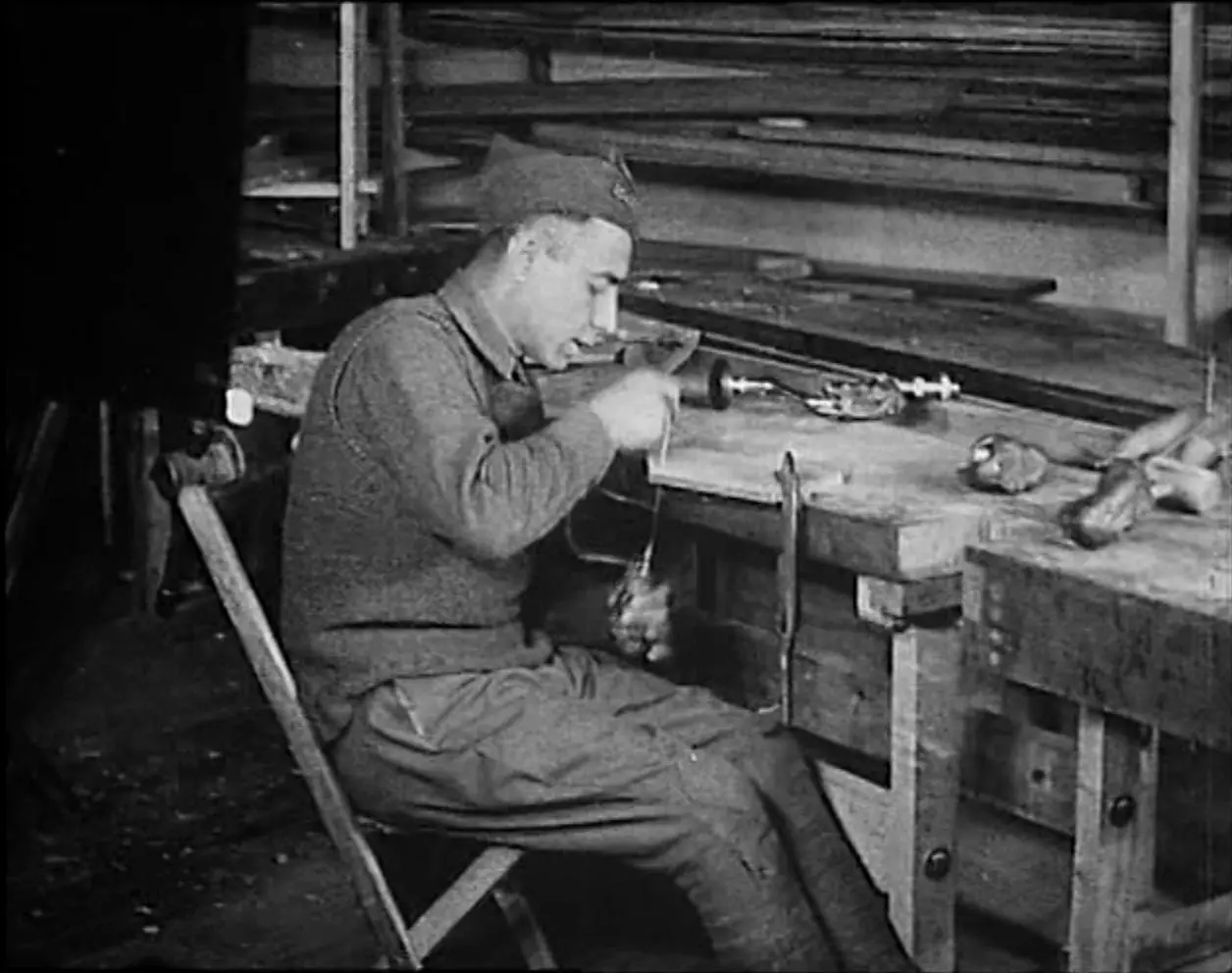
Amid the antiseptic glare of military hospitals, where fluorescent tubes hum like distant artillery, bodies once sculpted for combat now lie re-angled by shrapnel and fire. The Reawakening eschews triumphalism; instead it stalks corridors where phantom limbs itch, where titanium joints click like metronomes counting borrowed time. A triple-amputee learns to coax charcoal across canvas, pigment blooming where fingers once squeezed triggers. A young sergeant, throat scorched by an IED’s breath, retrains dormant muscles to shape consonants into the word “Dad” for a toddler who flinches at the stranger before her. Between physiotherapy sessions that resemble avant-garde dance—parallel bars turned into barres—the film folds archival battle footage into present-day close-ups of scar tissue, so that desert sand seems to pour from reopened wounds. Rehabilitation becomes a palimpsest: every rebuilt gait overwrites earlier choreography of patrol formations, yet ghost cadences persist in muscle memory. When winter light slants through gymnasium windows, dust motes swirl like tracer rounds, and we realise recovery is not linear but helical, spiralling through seasons of hope, relapse, fury, grace. The camera, refusing to pedestalise, lingers on the tremor of a lip that cannot pronounce “goodbye” to the comrade who never came back. In the final movement, the soldiers stage an exhibition: prosthetic arms soldered into sculptural wings, wheelchairs spray-painted cobalt and gold, a chorus of voices electronically harmonised to recite Wilfred Owen. Applause ricochets off the walls, but the soundtrack undercuts it with the faint thud of mortars, reminding us that reawakening is not closure—it is the moment the nightmare learns new languages.
Documentary about the physical and vocational rehabilitation of wounded soldiers.
Review Excerpt
"
There is a moment, 23 minutes into The Reawakening, when the camera refuses the expected cutaway. A corporal—both legs amputated above the knee—attempts to stand on fiberglass blades. His first failure is silent: knees buckle, torso folds like damp cardboard, forehead smacks the mat with a thud too intimate for soundtrack embellishment. Director Mila Jansen keeps the lens fixed on the trembling nape, on the droplet of blood that beads where prosthetic socket bites flesh. No swelling strings, no..."