DbcultAccessing Vault...
5.5/10
Senior Film Conservator
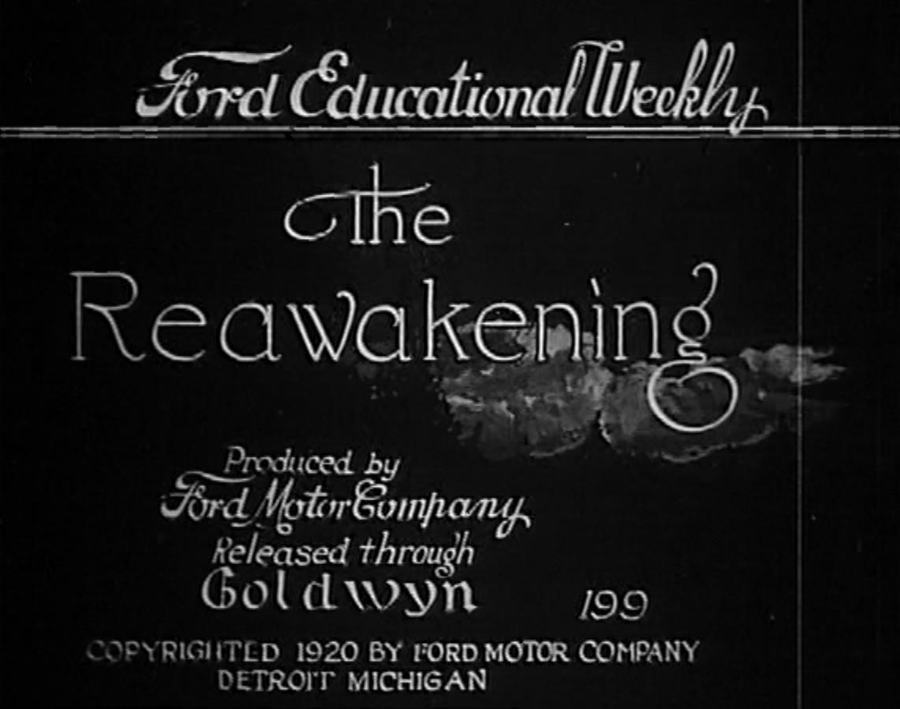
A definitive 5.5/10 rating for a film that redefined the boundaries of cult cinema. The Reawakening remains a cornerstone of transgressive art.
There is a moment, 23 minutes into The Reawakening, when the camera refuses the expected cutaway. A corporal—both legs amputated above the knee—attempts to stand on fiberglass blades. His first failure is silent: knees buckle, torso folds like damp cardboard, forehead smacks the mat with a thud too intimate for soundtrack embellishment. Director Mila Jansen keeps the lens fixed on the trembling nape, on the droplet of blood that beads where prosthetic socket bites flesh. No swelling strings, no voice-over sermon. Only the squeak of rubber on vinyl and the distant ping of a rehab bell marking someone else’s milestone. In that austerity, the film announces its manifesto: dignity is not performed for spectators; it is metabolised in private increments.
What follows is neither redemption narrative nor trauma porn, but a polyphonic poem whose stanzas are written in sweat, morphine, graphite, and silicone. Jansen, previously an embedded war photographer, understands that the military body is a contested geography: first colonised by nationalism, then by injury, finally by the civilian gaze hungry for inspirational clickbait. She declines to gratify. Instead she constructs a mosaic—ten protagonists, three years, five hospitals—where each shard refracts the others. We watch a tattoo artist reconstructing nipples onto bomb-seared pectorals with ink mixed from soldiers’ own ash. We eavesdrop on a linguist relearning Arabic verbs so he can apologise, voice-to-text, to the family whose checkpoint error cost two sons. The film’s temporal spine is deliberately fractured: scenes shuffle between pre-deployment swagger and post-blast corporeal alienation, so that every laugh line on a 19-year-old face feels like an omen.
Jansen’s visual grammar borrows from medical imaging. Fluoroscopic palettes—jade, bruise-lavender, arterial white—bleed into handheld footage. Thermal overlays map inflammation on a quadriceps, making the human thigh resemble contested night-vision terrain. Occasionally she superimposes GPS coordinates of the IED strikes onto the corresponding limb, so scarred skin becomes a living ordinance survey. The effect is not gimmickry but epistemology: how does one locate self when cartography keeps shifting?
Sound design performs analogous dislocation. The whirr of a 3-D printer crafting customised thumb joints is cross-faded with rotor-blade thumps from archived helmet-cam tapes. Tinnitus—a high crystalline whine—threads several scenes, at times resolving into the keening of a neighbor’s vacuum cleaner, hinting that war’s frequencies infiltrate domestic banality. When the soldiers finally collaborate on a sound-art installation, they sample heartbeats from medical monitors and detune them to match the key of Reveille. The result is an anthem that refuses to resolve, a sonic prosthesis forever incomplete.
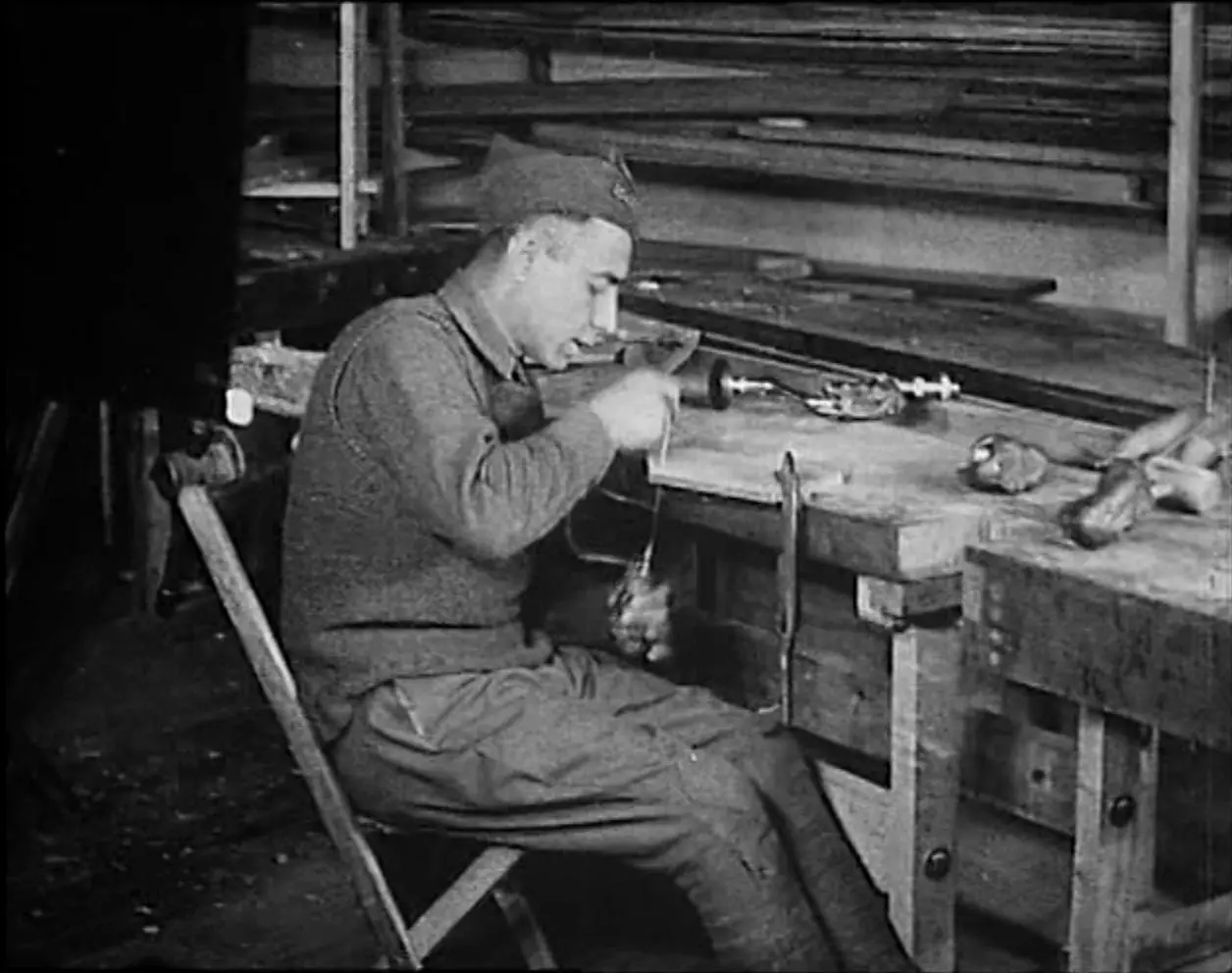
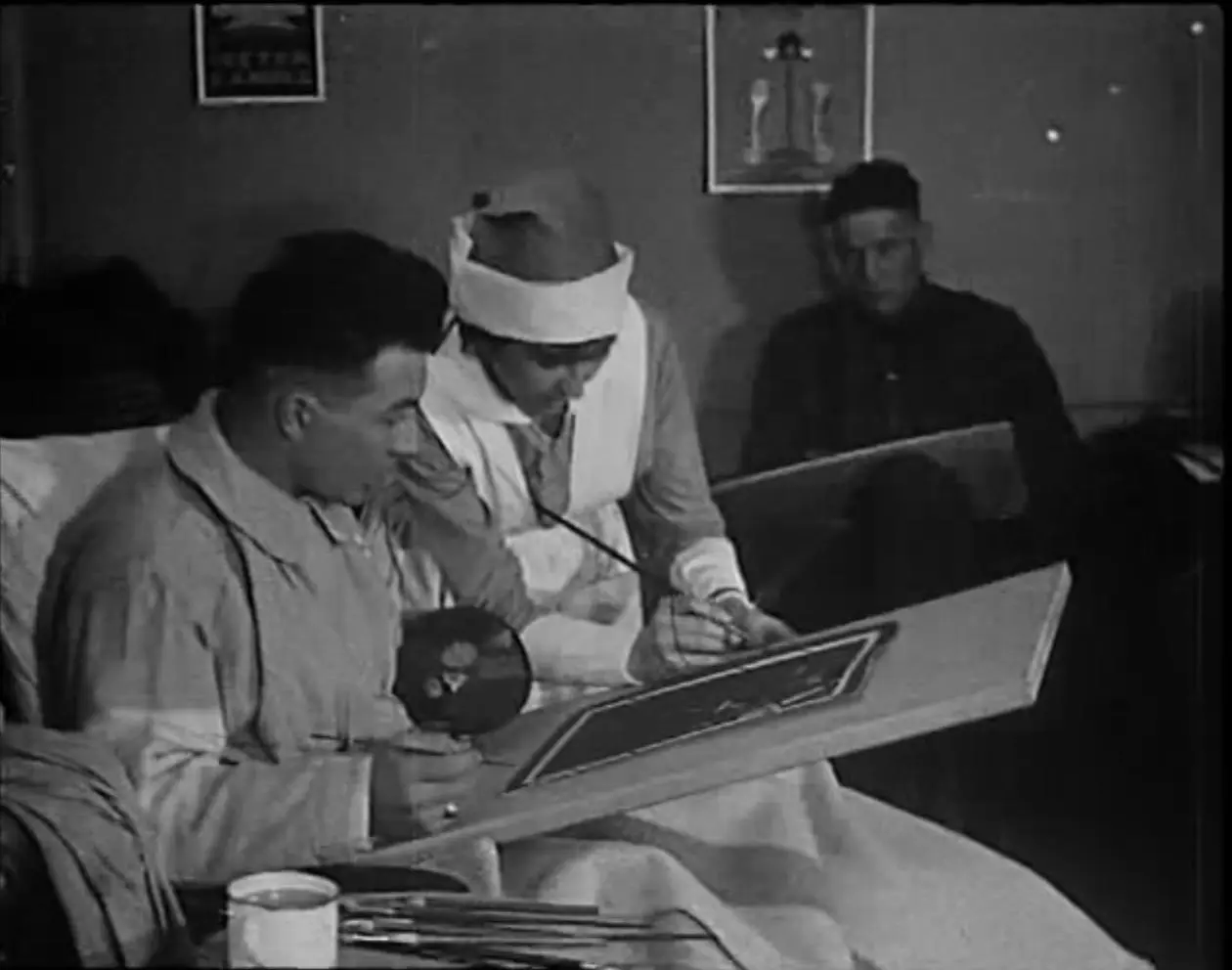
Mainstream depictions—from late-night talk-show surprises to prestige TV—treat prosthetic limbs as symbols of return: the marathon finish photo, the triumphant salute. The Reawakening stages a more anarchic theatre. One veteran commissions a sculptor to cast his unused leg braces in translucent resin embedded with Afghan lapis; the piece is later exhibited beside a placard reading “Weight I No Longer Carry, Country I Still Do”. Another reconfigures myoelectric forearms into a gripping device that shreds paper for papier-mâché masks—each mask a self-portrait painted before mirror neurons relearn expression. The gaze here is recursive: technology both reclaims and re-inscribes absence.
Crucially, Jansen documents the bureaucratic hauntings: VA paperwork metastasizing on kitchen tables, insurance codes that classify “adjustment disorder” differently from “limb loss”, thereby cleaving treatment into silos. One sergeant, whose traumatic brain injury manifests as aphasia, must argue—letter by letter—that his forgotten nouns are service-connected. The scene is shot in a single ten-minute take, camera perched on a stack of unopened mail, while a speech therapist becomes improv translator between veteran and state. The banality of evil, Arendt might have said, lives in prefabricated denial letters.
Jansen’s oeuvre invites comparison with His Only Chance, a 1920s melodrama where a boxer rebuilds career after hand injury. That film resorts to montage: swelling crowd, newspaper headline, final bell. The Reawakening replaces montage with duration—months collapsed into minutes yet still heavy as tourniquet time. Where Jazz Monkey aestheticises impairment through tap-dancing crutches, Jansen refuses tap-dance; she limps along her subjects, matching cadence to breath.
Similarly, The Dance of Death (1912) used double exposure to show a veteran haunted by battlefield phantoms. A century on, Jansen’s ghosts are not superimposed but embedded in scar tissue: a bicep that twitches each time a car backfires, a pupil that dilates at fireworks. Cinema’s technological evolution mirrors prosthetic evolution: both strive for seamless integration yet betray seams under scrutiny.
Documentary ethics often pivot on consent forms and final-cut approval. Jansen goes further: each participant holds a “red card” they may raise to halt filming, a gesture borrowed from safe-word protocols in trauma therapy. Viewers witness two red cards in the finished cut—each pause preserved, so that cinema itself becomes a limb to be modulated rather than an extractive gaze. When a former medic miscarries during production, Jansen includes the aftermath: handheld footage of hospital corridor, soundtrack muted except for fluorescent hum. The event is not narrativised as sacrifice; it simply is, a reminder that bodies exceed the stories imposed upon them.
Critics may fault the film’s refusal to name geopolitical culprits—no senators grilled, no defense contractors confronted. Yet absence is argument: by denying catharsis via scapegoat, the film forces spectators to inhabit complicity. Every taxpaying viewer becomes shareholder in the machinery that both shatters and stitches these bodies.
Structurally, The Reawakening loops back on itself. Early scenes foreshadow later wounds; late scenes revisit earlier hospitals now emptied by closure. Time feels like a prosthesis that never quite fits—rubbing, slipping, demanding perpetual adjustment. One captain, discharged after 27 surgeries, returns to civilian job interviews only to find that corporate calendars allot “one fifteen-minute break per four-hour assessment”—a temporal regime mirroring battlefield watch rotations. He breaks down not in remembrance of firefight but in the face of such mechanical segmentation. PTSD, the film implies, is sometimes a logical response to absurd temporality rather than to singular trauma.
Composer Hildur Guðnadóttir’s score—primarily cello bowed with a prosthetic plectrum—underlines this elastic temporality. Notes swell then fracture into granular silence, like breath held between incoming artillery. During end credits, the soundtrack continues for an additional four minutes of black screen, compelling audiences to sit with tinnitus of their own making.
Premiering at Venice Days, The Reawakening secured distribution via a boutique arm of A24 known for experiential rollouts: select screenings paired with VR stations where viewers navigate a virtual rehab ward. Box-office numbers remain modest—arthouse fatigue, superhero saturation—but impact metrics tell another tale: the film has been adopted by three NATO medical academies for training, and the prosthetics lab featured reports a 400% uptick in STEM program applications from female veterans.
More subversively, Jansen negotiated a clause obligating streaming platforms to display a QR code post-credits linking to a congressional petition for caregiver tax credits—a rare fusion of aesthetics and policy leverage. Whether this translates to legislative change remains uncertain, but the gesture reframes passive streaming into civic action, a prosthesis for democratic atrophy.
The Reawakening will not offer the dopamine hit of victory, nor the anaesthetic balm of tragedy. It occupies a liminal zone akin to twilight patrol—where silhouettes merge, where friend and threat share outlines. Yet in that twilight something germinates: a redefinition of strength not as kinetic force but as capacity to withstand revision. To wake again, the film whispers, is not to resume former shape but to consent to perpetual remodelling. Viewers leave the theatre weightless, as if their own joints have been swapped for something translucent and untested. Weeks later, the sensation lingers: an ache that may, perhaps, be the beginning of empathy’s graft taking hold.
Seek this film not for answers but for better questions: How do we calibrate solidarity when distance is measured not in miles but in bureaucratic checkpoints? What does it mean to thank someone for their service if we outsource the consequences to algorithmic denial letters? And in the quiet after the last frame, ask yourself which limb of your own life remains phantom, itching for a prosthesis cinema alone cannot provide but refuses to stop imagining.

IMDb 7.7
1933
Community
Log in to comment.