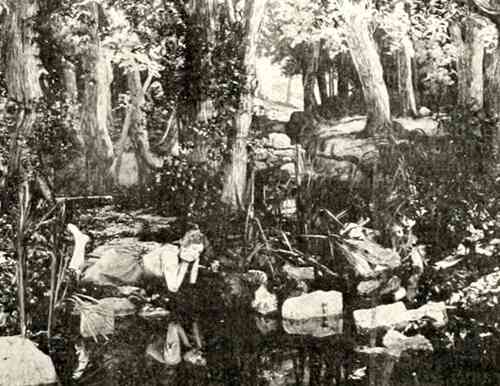
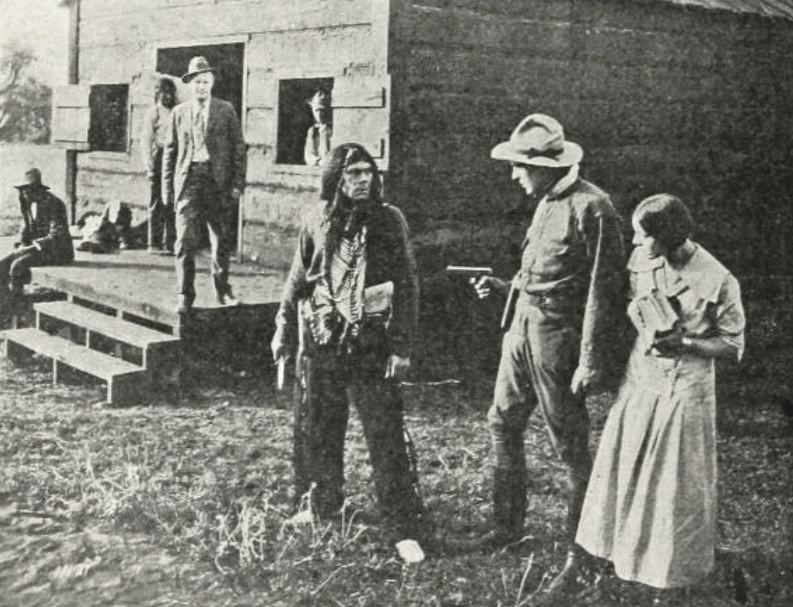
Doris Dumond is called home from a convent school by her mother, who has purchased some diamonds and has sold them although she has paid only one installment of the price. Hammond, the dealer's agent, threatens to have her arrested unless she pays the debt within 24 hours.
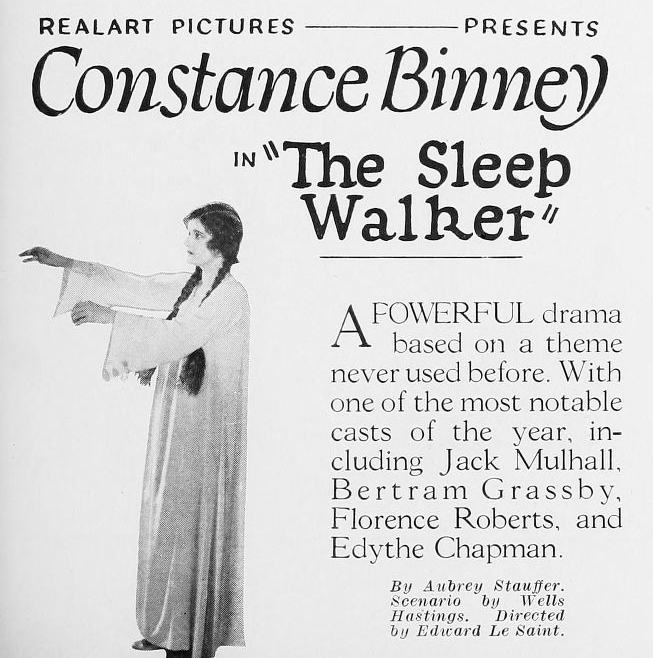
A single gas-jet quivers above Doris Dumond’s pillow, painting her face the color of old parchment. The camera—this is 1922, so the camera is a stubborn box on a tripod—doesn’t blink; it simply stares, as if itself under a spell. When her eyelids flutter open yet consciousness stays behind, we feel the first tug of t...
publicity
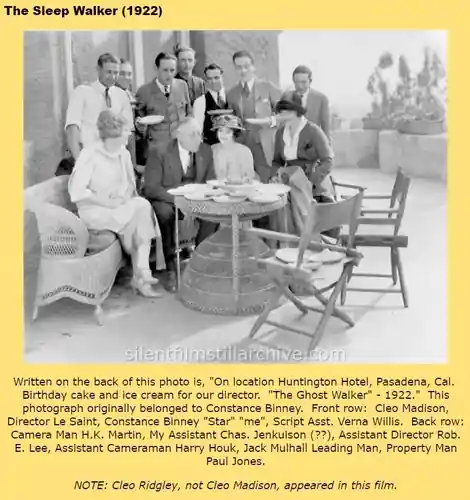
behind_the_scenes
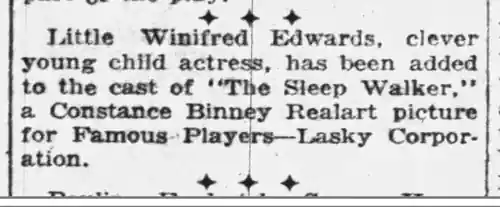
publicity


Comparing the cinematic DNA and archive impact of two defining moments in cult history.
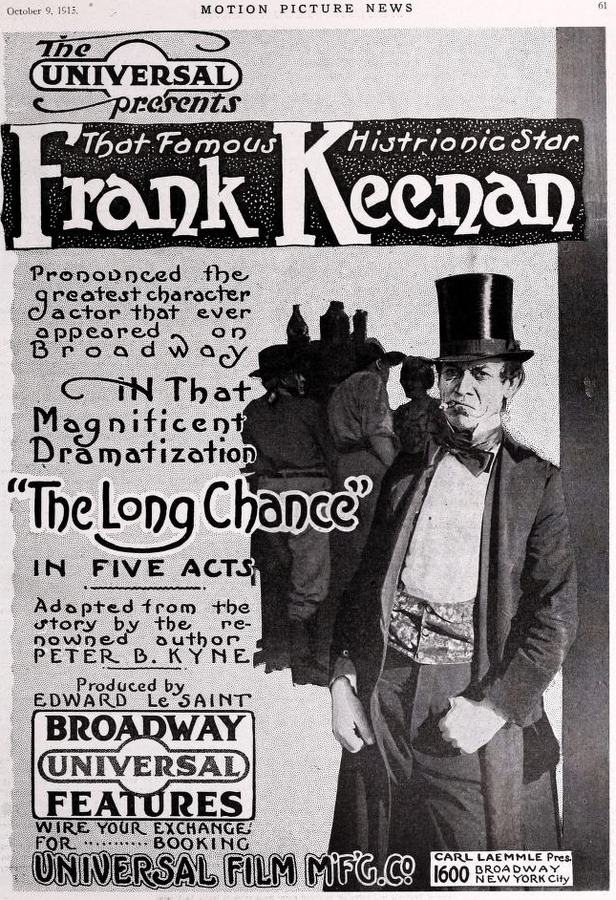
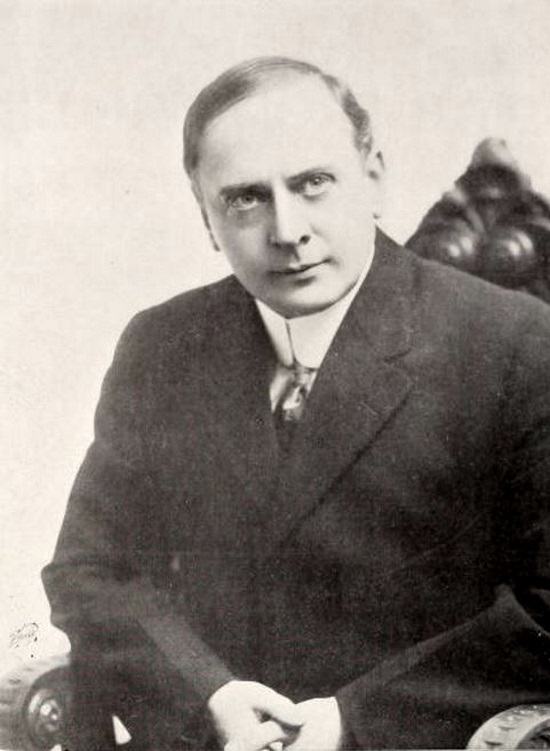
Edward LeSaint
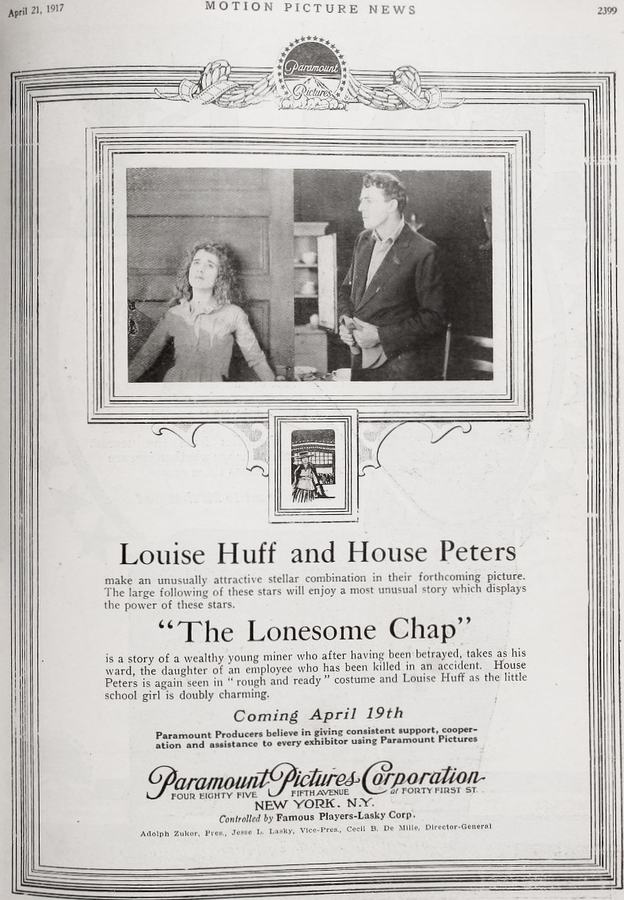
Edward LeSaint
Community
Log in to comment.
" A single gas-jet quivers above Doris Dumond’s pillow, painting her face the color of old parchment. The camera—this is 1922, so the camera is a stubborn box on a tripod—doesn’t blink; it simply stares, as if itself under a spell. When her eyelids flutter open yet consciousness stays behind, we feel the first tug of the film’s uncanny undertow: a girl split between body and soul, between ledger columns and lullabies. The Sleep Walker, unearthed from the strata of Universal’s shortish one-reel ..."
Cleo Ridgely
Wells Hastings, Aubrey Stauffer
United States
Deep dive into the cult classic
Discover similar cinematic experiences
A Directorial Spotlight on Edward LeSaint