DbcultAccessing Vault...
Cult Review
Senior Film Conservator
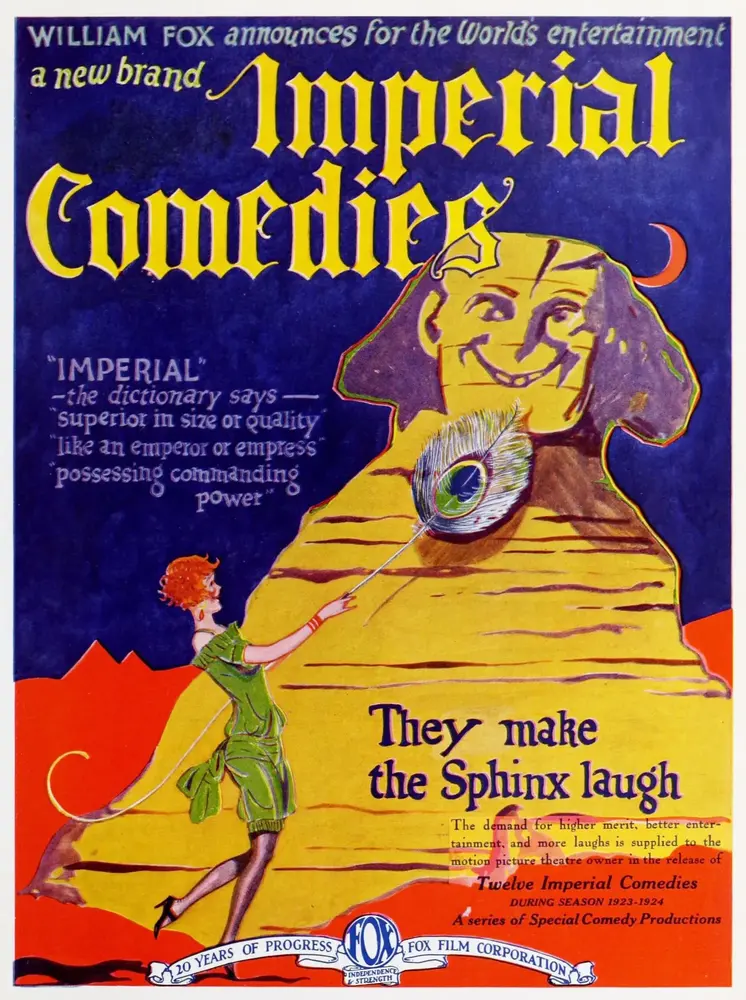
To witness Monks a la Mode is to observe the primordial soup of the screwball comedy genre before it fully crystallized in the 1930s. Long before she became the husky-voiced icon of Capra-esque idealism, Jean Arthur was honing a specific brand of kinetic vulnerability in silent shorts. This film, a frantic exploration of the fashion industry’s absurdity, serves as a vital artifact for any cinephile tracing the lineage of the American comedienne. Unlike the more somber explorations of social mobility found in Get the Boy, this short leans heavily into the ephemeral nature of style, suggesting that the garments we wear are merely costumes for the roles society demands we play.
The film’s visual language is surprisingly sophisticated for its modest runtime. The cinematography captures the textures of the fabrics—the heavy drapes of the 'monastic' gowns contrasting sharply with the airy lightness of Arthur’s performance. There is a specific rhythm here, a staccato pacing that mirrors the heartbeat of a bustling 1920s metropolis. While films like Jack Spurlock, Prodigal dealt with the reclamation of masculine identity, Monks a la Mode focuses on the feminine agency within the commercial sphere, albeit through the lens of slapstick.
The central conceit—the commodification of monastic aesthetics—is a biting piece of social commentary that feels oddly contemporary. The film lampoons the high-society urge to find 'authenticity' in the most unlikely places. Sidney Smith’s role is crucial here; he represents the bewilderment of the common man when faced with the avant-garde. His interactions with Arthur are a masterclass in timing, echoing the dynamic found in Judge Rummy's Miscue, though with a significantly higher degree of aesthetic polish.
"The film doesn't just present fashion; it deconstructs the very notion of the trend, suggesting that today's sacred vow is tomorrow's clearance rack item."
In comparison to the pastoral or seafaring themes of Mandolinata a mare, Monks a la Mode is strictly urban. It breathes the air of the department store and the sewing room. The gags are built around the physical limitations of the clothing—long robes causing trips, veils obscuring vision—turning the 'monk' aesthetic into a literal obstacle course for the characters. This physical comedy is far more refined than the rough-and-tumble energy of O'Malley of the Mounted, opting for a surgical precision in its execution.
It is impossible to discuss this film without centering on Arthur’s expressive face. Even without her signature vocal rasp, she communicates a complex internal monologue. In scenes where she must navigate the pretension of the modiste’s clients, her eyes betray a weary intelligence that makes the character more than a mere caricature. This depth is what separates her from the leads in more formulaic shorts like Sham or the overly earnest Pop Tuttle's Clever Catch.
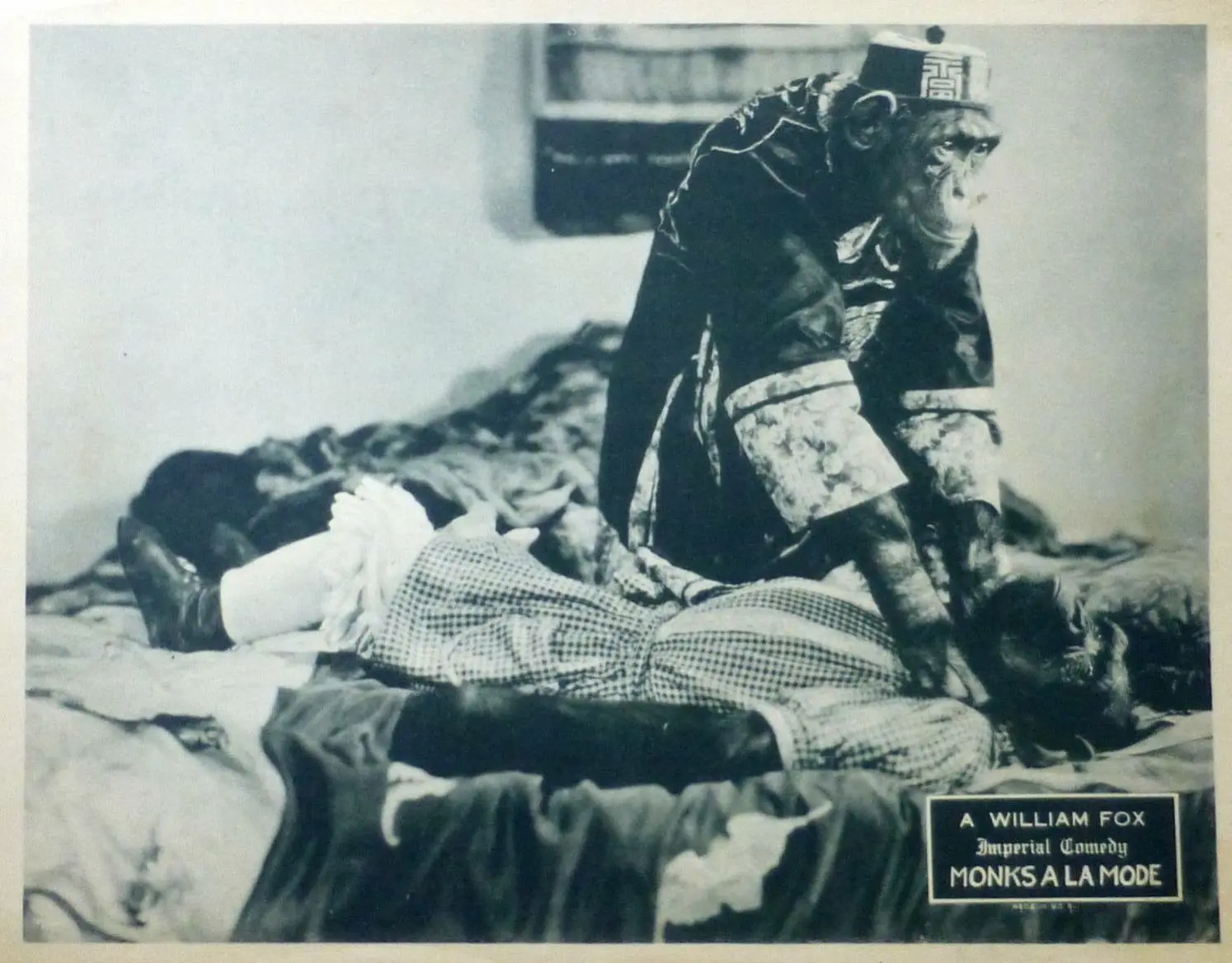
There is a sequence involving a runaway mannequin that highlights the technical prowess of the era’s stunt coordination. While it lacks the high-stakes danger of Fighting Bill or the rugged exteriority of Peril of the Plains, it possesses a domestic peril that is far more relatable. The stakes are social ruin and professional failure, which, in the world of Monks a la Mode, are fates worse than death. This focus on social standing links it thematically to A World of Dreams, yet Arthur’s film remains grounded by its commitment to the laugh.
The editing in Monks a la Mode is a testament to the efficiency of the 1920s studio system. Every cut serves the punchline. There is no wasted motion, no lingering sentimentality that often bogged down contemporary dramas like The Heart Line. Instead, we see a proto-feminist narrative where the heroine uses the chaos of the fashion show to her advantage, displaying a wit that predates the more mythological overtones of Il Fauno.
The production design, though limited by the short's budget, maximizes the 'haute couture' atmosphere. The contrast between the stark, almost religious simplicity of the 'monk' outfits and the cluttered, opulent backgrounds of the boutique creates a visual tension. This is not the whimsical world of A Petticoat Pilot, nor the surrealist leanings of The Tail of a Cat. It is a world of commerce, competition, and cloth.
As the film hurtles toward its inevitable, chaotic conclusion, one realizes that Monks a la Mode is more than just a vehicle for its stars. It is a snapshot of a moment when cinema was discovering how to satirize the very audience it was entertaining. While it may lack the geopolitical intrigue of Diplomaticheskaya tayna, its stakes are no less real for the characters involved. The preservation of dignity in the face of a collapsing wardrobe is a universal struggle.
In the final analysis, this short stands as a testament to Jean Arthur’s enduring appeal. She navigates the absurdity with a poise that suggests she was always destined for greatness. The film’s ability to find humor in the intersection of the spiritual and the superficial is a bold choice that pays off, making it a mandatory watch for those who appreciate the nuances of silent-era comedy. It reminds us that while fashions change—from monastic habits to flapper dresses—the human capacity for making a spectacle of ourselves remains eternal.
Verdict: A masterclass in 1920s comedic timing and a fascinating precursor to the Golden Age of Hollywood.
IMDb 5.1
1935
Community
Log in to comment.