DbcultAccessing Vault...
6/10
Senior Film Conservator
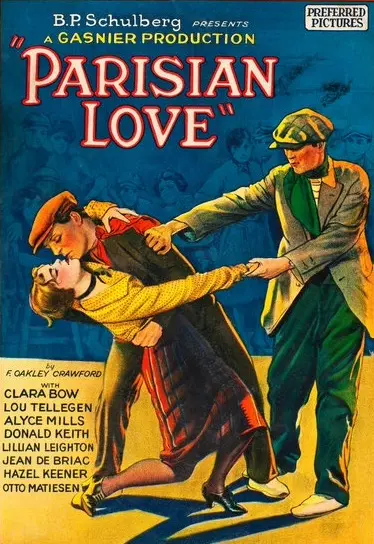
A definitive 6/10 rating for a film that redefined the boundaries of cult cinema. Parisian Love remains a cornerstone of transgressive art.
In the city of love and lights, a tangled web of passion, deception, and revenge unfolds in Parisian Love, a silent film from 1925, boasting a stellar cast, including the inimitable Clara Bow. This cinematic gem, though oft-overlooked, warrants a closer examination, particularly in light of its thematic resonance with contemporaneous films like Footlights and The Heart of Jennifer.
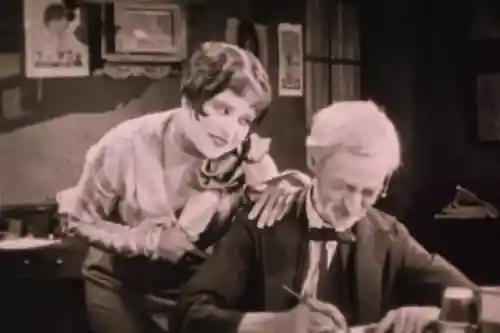
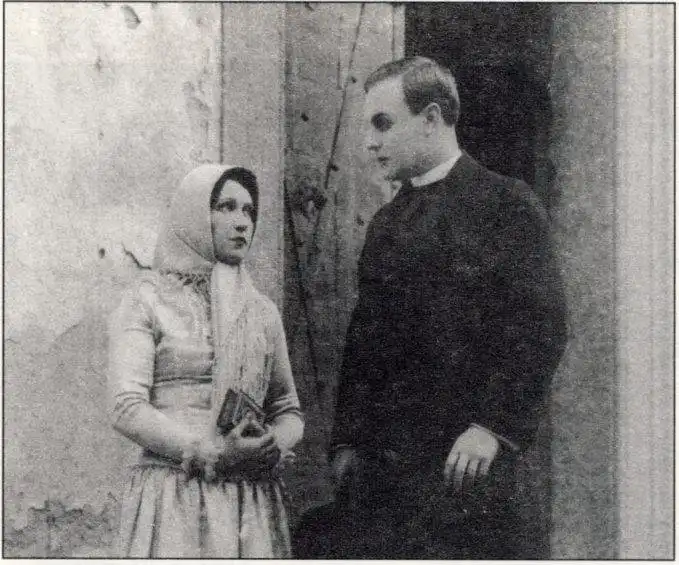
The narrative revolves around Armand, a street-smart gang member, and his paramour Marie, an Apache with a penchant for chaos. Their intricate dance begins with a daring heist on the opulent residence of the affluent scientist, Pierre Marcel. However, their plans are soon foiled by the authorities, and Pierre, grateful for Armand's selfless act, takes him under his wing and introduces him to the city's elite. This calculated move sparks a chain reaction of events, expertly weaving together themes of love, jealousy, and deception.
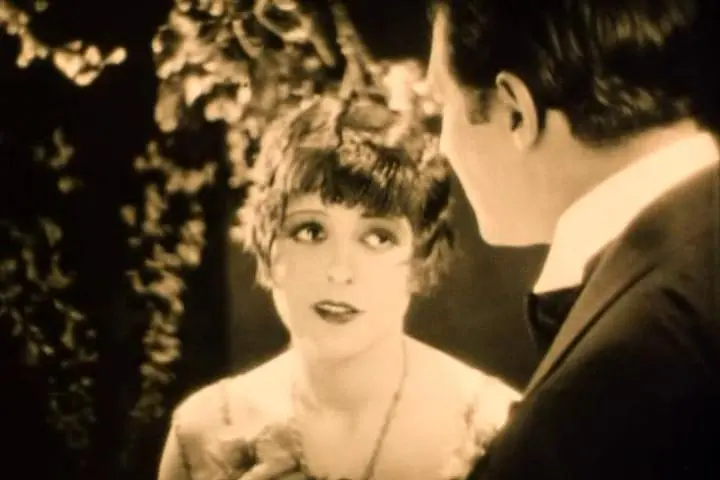
As Marie's discontent grows, her desire for revenge intensifies, culminating in a marriage of convenience with Pierre. The scientist, smitten with Marie's charms, remains oblivious to her true nature, and their union serves only to further exacerbate the tangled web of relationships. Meanwhile, Armand, seemingly content with his newfound status, finds himself inexorably drawn back to Marie, their passion rekindled in a dramatic confrontation.
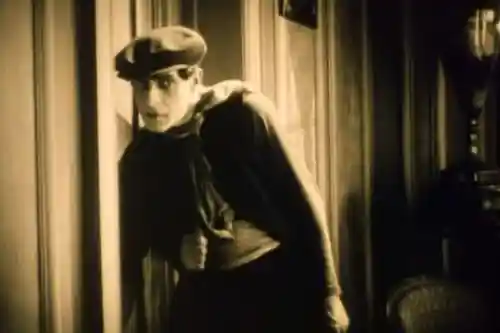
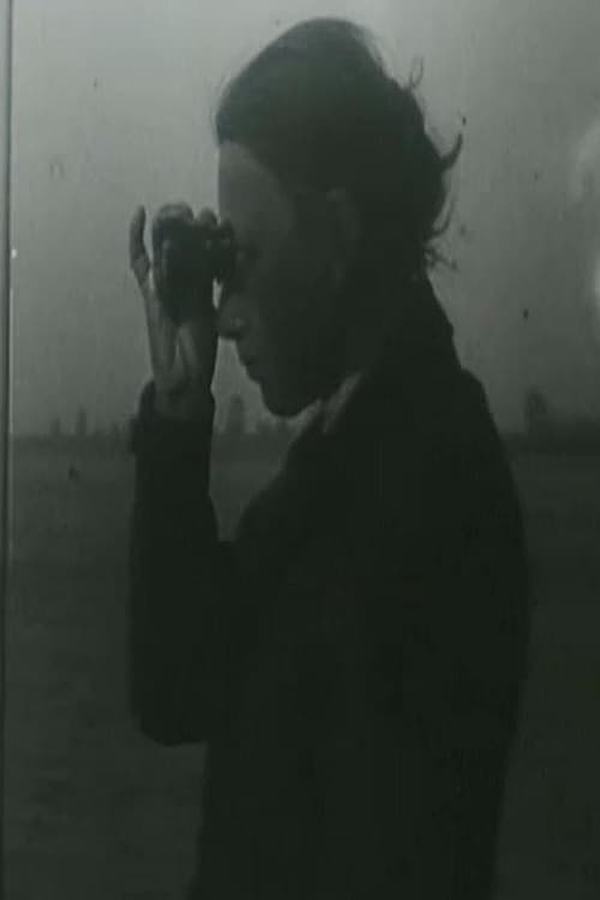
The cinematography in Parisian Love is noteworthy, with the filmmakers skillfully employing shadows and lighting to convey the complexity of the characters' emotions. The performances, too, are commendable, with Hazel Keener and Otto Matieson delivering nuanced portrayals of Marie and Armand, respectively. Clara Bow, though not a primary cast member, makes a memorable appearance, adding to the film's allure.
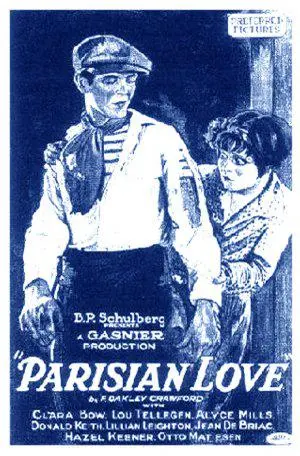
Upon closer inspection, Parisian Love reveals itself to be a thought-provoking exploration of the human condition, delving into the darker aspects of love, relationships, and the societal pressures that govern them. This film, much like Man's Plaything and Why Elephants Leave Home, presents a scathing critique of the societal norms that govern human behavior, laying bare the consequences of unchecked passion and unbridled ambition.
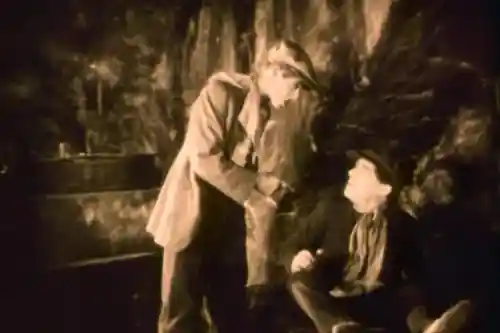
The film's score, though a product of its time, adds to the overall atmosphere, heightening the sense of tension and foreboding that permeates the narrative. As the story hurtles toward its tragic conclusion, the audience is left to ponder the devastating consequences of Marie's actions, a denouement that serves as a stark reminder of the destructive power of unchecked emotions.
In the context of 1920s cinema, Parisian Love occupies a unique position, one that warrants comparison with other films of the era, such as Disraeli and The Lone Round-Up. While differing in tone and style, these films collectively offer a glimpse into the societal attitudes and cultural values of the time, providing a fascinating glimpse into the evolution of cinematic storytelling.
The final shot of Parisian Love, a poignant tableau of Marie, wounded and forsaken, serves as a lasting testament to the film's thematic preoccupations. As the credits roll, the audience is left to contemplate the transience of love and the devastating consequences of unbridled passion, a haunting reminder of the film's enduring legacy.
In conclusion, Parisian Love is a masterful exploration of the human condition, a film that, though often overlooked, warrants a place alongside other notable works of the era. Its intricate web of relationships, coupled with its thought-provoking themes, make it a must-see for aficionados of silent cinema and scholars of film history alike.
IMDb —
1917
Community
Log in to comment.