Summary
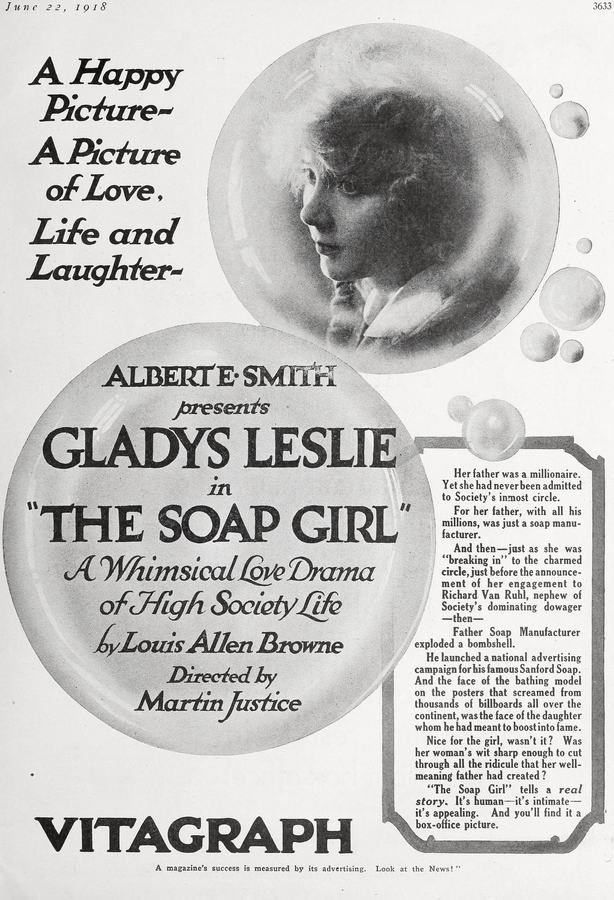
In a metropolis whose marble ballrooms gleam like wet porcelain, soap-baron Sanford transmutes lye and perfume into social currency, determined to scrub his daughter Marjorie from bourgeois anonymity into the gilded cages of the Van Ruhls. A single check—ink still warm—buys Marjorie entrance to a charity bazaar where chandeliers drip like suds and Richard Van Ruhl’s patrician heart dissolves faster than bath salts. But Sanford’s next advertising coup—his cherubic heir languishing in a claw-foot tub, pearls of foam kissing her shoulders—splashes across weeklies, turning debutante dreams into ridicule: the press christens her “the soap girl,” a taunt that clings like scum. Banished by Mrs. Van Ruhl’s icy edict, Marjorie retaliates with industrial poetry: she acquires a shuttered whiskey plant, resurrects the Van Ruhl ancestral sin—rum traded to Indigenous trappers—and emblazons the matriarch’s sneering portrait on every bottle, transforming bourbon into tabloid. The scandal ferments; parlors whisper; stocks tremble. In the end, fearing her own silhouette on every saloon shelf, Mrs. Van Ruhl capitulates, sealing the betrothal with a handshake that smells of lavender soap and contraband gin.
Synopsis
Sanford, a soap manufacturer who earned his fortune through advertising, decides to help his daughter Marjorie break into society by launching a campaign to publicize her. When he sends the snobbish Mrs. Van Ruhl a check for her pet charity, the society matron invites Marjorie to attend a charity bazaar, and young Richard Van Ruhl promptly falls in love with the girl. Next, however, Sanford announces his newest product with magazine ads that feature Marjorie using the soap in her bathtub. This is too much for Mrs. Van Ruhl, who contemptuously labels Marjorie the "soap girl" and orders Richard to stop courting her. In retaliation, Marjorie buys a whiskey distillery and, having learned that the first Van Ruhls in America sold rum to the Indians, prints a likeness of Mrs. Van Ruhl on the label of each bottle. Fearing her own social demise, Mrs. Van Ruhl quickly makes peace with the Sanfords, and Richard and Marjorie are allowed to marry.
Review Excerpt
"
There are films you watch; then there are films that scrub you raw, leaving a film of lather in your brain long after the projector clicks off. The Soap Girl is the latter—a celluloid cake of soap slipped under the seat of 1927 audiences, exploding into suds of social satire so slippery the Hays Office must have contemplated a mop.
Director Martin Justice—a name too perfect for this morality lather—opens on a montage of conveyor belts: bars of Sanford’s “White Rose” soap glide like debutantes,..."