DbcultAccessing Vault...
Cult Review
Senior Film Conservator
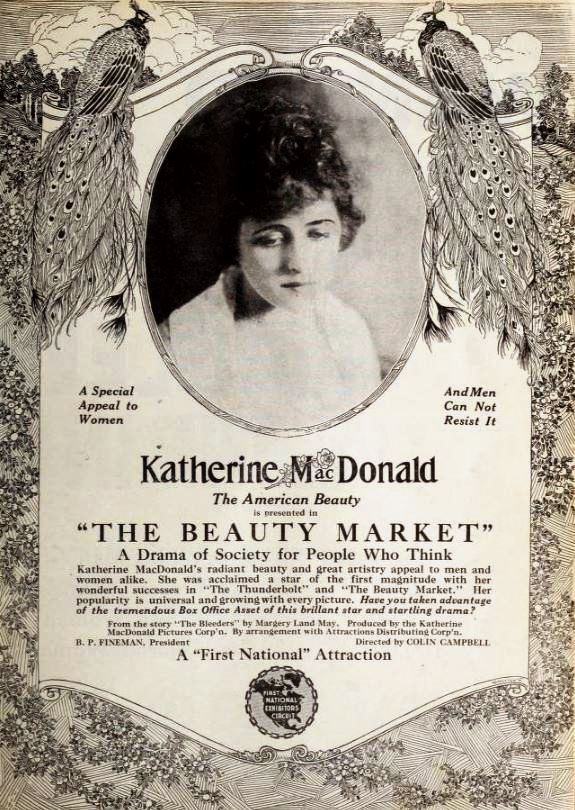
Stepping back into the cinematic landscape of 1919, one encounters a fascinating artifact: The Beauty Market. This silent drama, featuring the luminous Katherine MacDonald, offers more than just a glimpse into a bygone era of filmmaking; it serves as a compelling mirror reflecting the societal anxieties and romantic ideals of its time. Directed with a keen eye for character nuance and narrative momentum, the film, penned by Margery Land May, delves into themes that remain strikingly resonant even today: the allure of wealth, the pursuit of genuine affection, and the often-unforeseen consequences of choices made under duress. It’s a narrative that, despite its century-old vintage, manages to speak with a surprising clarity about the eternal human quest for happiness and belonging.
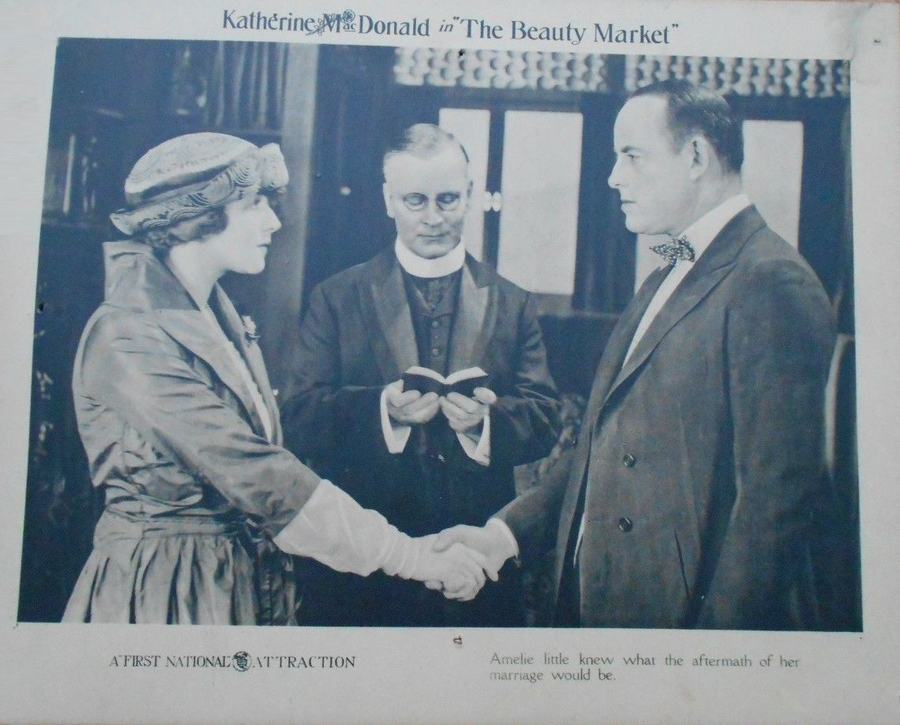
At its core, The Beauty Market is a tale of a young woman caught between two worlds: the pragmatic necessity of financial security and the yearning for true love. Katherine MacDonald, a prominent figure of the silent screen, imbues her character with a captivating blend of vulnerability and resolve. Her initial decision to marry for money, a choice often depicted in films of this period, is presented not as a cold, calculating act, but as a desperate bid for stability in a world that offered few other avenues for independent women. This pragmatic approach to matrimony, while perhaps jarring to modern sensibilities, was a stark reality for many women, and MacDonald’s performance conveys the internal conflict inherent in such a momentous, yet hollow, commitment. Her eyes, often the most expressive tool of a silent film actor, communicate volumes about her character's inner turmoil and aspirations.
The film’s central conflict unfurls with a dramatic interruption to this pre-arranged union. This pivotal turn, while perhaps a convenient plot device, effectively propels the narrative into a different direction, allowing for the introduction of a more romantic interest. Roy Stewart, as the alternative suitor, provides a stark contrast to the initial, financially advantageous match. His portrayal brings a sense of earnestness and genuine passion, creating a compelling romantic dynamic with MacDonald. The chemistry between the two leads, communicated through subtle gestures and lingering glances, is palpable, a testament to the power of silent acting to convey deep emotion without a single spoken word. This shift from a marriage of convenience to one of affection is a classic cinematic trope, but The Beauty Market handles it with a refreshing sincerity that prevents it from feeling trite.
What truly elevates The Beauty Market beyond a simple romance is the unexpected revelation that follows the heroine’s newfound happiness. Just when the audience settles into the comforting rhythm of a 'happily ever after,' the narrative introduces a secret, a hidden layer of complexity that shatters the idyllic facade. This plot twist is not merely a sensational device; it serves to deepen the thematic exploration of truth, deception, and the lasting impact of past decisions. It forces the characters, and by extension the audience, to confront the uncomfortable reality that even the most pure-hearted intentions can be entangled in unforeseen complications. This narrative bravery, opting for a more nuanced and less straightforward resolution, is a commendable aspect of May's writing.
The supporting cast, including Winter Hall, Robert Brower, and Wedgwood Nowell, contribute significantly to the film’s rich tapestry. Each actor, through their nuanced expressions and physical presence, helps to build a credible world around the central figures. Winter Hall, in particular, often played authoritative or morally ambiguous figures in silent cinema, and his presence here likely added a layer of gravitas or potential menace to the proceedings. Kathleen Kirkham, too, would have played a vital role in shaping the emotional landscape, whether as a confidante, rival, or catalyst. The art of silent acting demanded an extraordinary command of pantomime, facial expression, and body language, and the ensemble cast of The Beauty Market demonstrates this mastery, conveying intricate emotional states with compelling clarity.
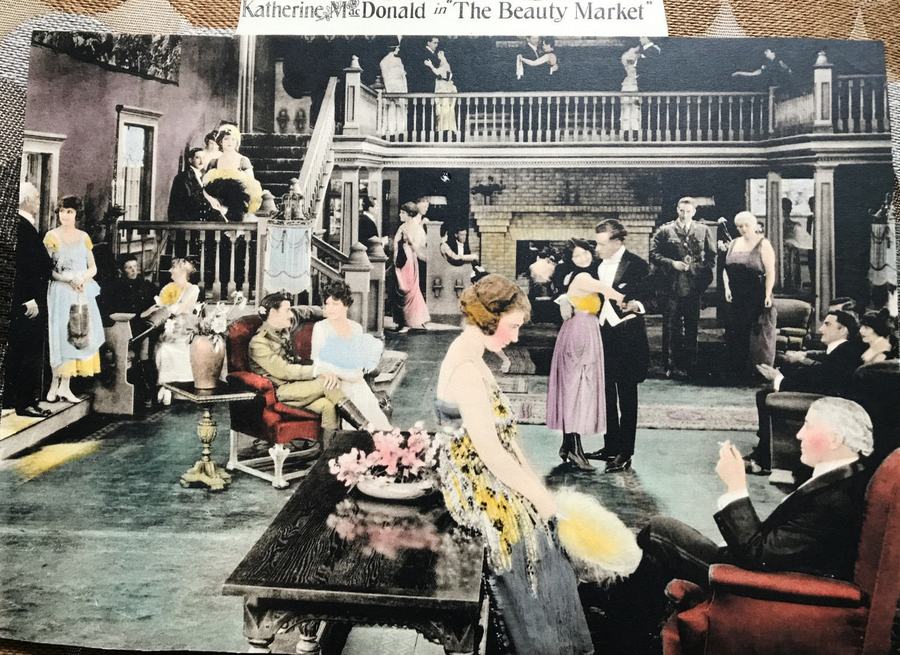
Visually, silent films often relied heavily on elaborate sets, stunning costumes, and innovative cinematography to tell their stories. While specific details about the visual grandeur of The Beauty Market might be elusive without direct access to the film, one can infer from the general standards of the era that efforts would have been made to create an immersive experience. The titular 'Beauty Market' itself suggests opulent settings, perhaps grand ballrooms or fashionable salons, which would have been meticulously designed to convey the allure of wealth and social standing. The use of lighting, a critical element in silent cinematography, would have been employed to heighten dramatic tension, emphasize character emotions, and guide the viewer's eye through the unfolding narrative. The director’s choices in framing and composition would have been paramount in conveying the story's emotional beats and thematic undertones, making every shot a deliberate brushstroke on the cinematic canvas.
Comparing The Beauty Market to other films of its time reveals interesting parallels and divergences. For instance, films like The Auction Block (1917) similarly explored the commodification of women and marriage, albeit often with a more overt sensationalism. While both touch upon the transactional aspects of relationships, The Beauty Market seems to lean into the emotional journey of its protagonist with a slightly more introspective gaze. Another contemporary piece, Loyalty (1917), might explore the steadfastness of love amidst adversity, a theme that resonates with the heroine's ultimate choice for affection over financial gain. However, the unique twist of a hidden secret in The Beauty Market adds a layer of psychological complexity that sets it apart from more straightforward romantic dramas.
The film’s exploration of secrets and their corrosive power is a timeless theme. It echoes narratives found in literature and drama across centuries, suggesting that the pursuit of truth, however painful, is ultimately liberating. This particular aspect of the plot might find kinship with the dramatic tension in films like A Stranger from Somewhere (1916), where hidden identities or past events often drive the narrative forward and create suspense. The discovery of a secret, especially one that impacts the foundation of a new marriage, introduces an element of psychological drama that can be incredibly compelling, forcing characters to re-evaluate their perceptions and make difficult moral choices. It's a testament to Margery Land May's writing that she injects such depth into what could have been a conventional romance.
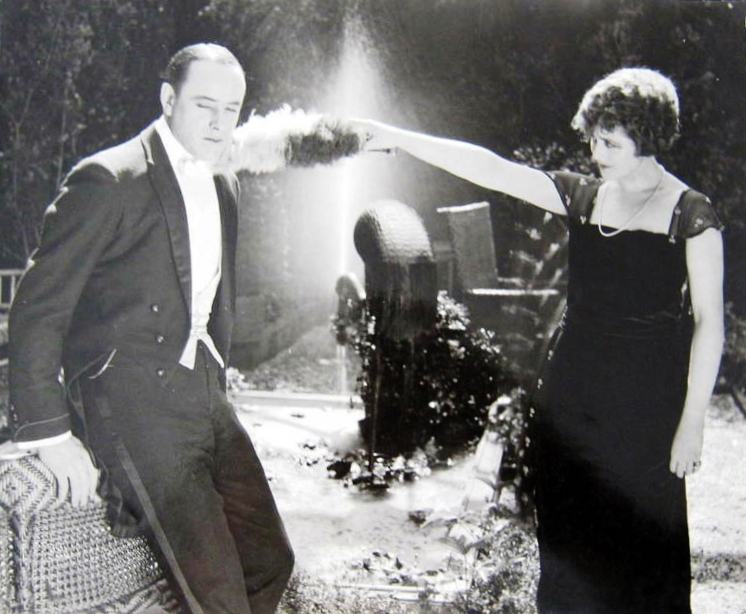
Katherine MacDonald’s performance is undoubtedly the anchor of the film. Her ability to convey a wide range of emotions—from initial resignation and subtle longing to burgeoning love and eventual shock—without the aid of dialogue is truly remarkable. Silent film actors were masters of their craft, relying on exaggerated gestures, poignant expressions, and the subtle shifts in their gaze to communicate intricate emotional states. MacDonald, with her striking beauty and expressive face, was perfectly suited for this medium. Her presence on screen commands attention, drawing the viewer into her character's internal world. Her struggles and triumphs become our own, a hallmark of truly effective acting regardless of the era or medium. One can imagine her portrayal holding its own even against the likes of Mary Pickford or Lillian Gish, contemporaries who also mastered the art of silent emotional conveyance.
The historical context of The Beauty Market is also worth considering. 1919 was a year of transition, emerging from the shadow of World War I and on the cusp of the Roaring Twenties. Society was grappling with changing gender roles, evolving moral codes, and the burgeoning freedom of women. Films of this period often reflected these societal shifts, with heroines increasingly taking charge of their destinies, even if those destinies were still largely defined by marriage and domesticity. The Beauty Market, in its depiction of a woman making a choice about her marriage, then having that choice altered, and finally confronting a hidden truth, speaks to these evolving narratives. It’s a story that, while seemingly focused on individual romance, subtly comments on the broader societal currents shaping women’s lives.
The collaborative effort between writer Margery Land May and the director (whose name is not provided in the prompt, but whose influence is undeniable) would have been crucial in bringing this story to life. May’s narrative structure, with its initial premise of a pragmatic marriage, its romantic interlude, and its final, jarring secret, demonstrates a sophisticated understanding of dramatic pacing and character development. The director’s role would have been to translate this intricate screenplay into compelling visual storytelling, guiding the actors' performances, overseeing the visual design, and ensuring that the film’s emotional beats landed effectively with the audience. This synergy between script and direction is what ultimately transforms a good story into a captivating cinematic experience, making it stand alongside other notable productions of the era, such as the character-driven dramas often seen in European cinema like Ingmarssönerna (1919), which also explored deep personal and familial secrets, albeit with a different cultural lens.
The film’s title itself, The Beauty Market, is evocative and loaded with meaning. It immediately suggests a world where beauty is a commodity, a currency to be traded for social standing or financial security. This concept, while often romanticized in fiction, carries a darker undertone of objectification and societal pressure. The protagonist’s journey can be seen as a rebellion against this 'market,' a quest to find value beyond mere aesthetics or economic utility. Her eventual choice for love, and the subsequent discovery, further complicates this idea, suggesting that even when one tries to escape the market’s influence, its shadows can still linger, revealing the true cost of societal expectations and personal compromises. It’s a potent title that encapsulates the central conflict and the underlying social commentary of the film.
In an era when cinema was still finding its voice, films like The Beauty Market played a vital role in shaping the language of storytelling. They explored narrative conventions, experimented with visual techniques, and honed the craft of acting for the screen. While we might compare it to more dramatic thrillers such as The Master Mystery (1919) for its suspenseful elements, The Beauty Market remains firmly rooted in the realm of character-driven drama, using its plot twists to deepen emotional resonance rather than merely to shock. It’s a film that asks its audience to reflect on the nature of truth, the price of happiness, and the enduring power of love to both heal and reveal.
The elegance of silent film often lies in its ability to communicate universals without the specificity of spoken dialogue. The emotional arcs are broad, yet deeply felt, allowing audiences to project their own experiences onto the characters. The final secret, when it is revealed, is not just a plot point, but a moment of profound introspection for the protagonist, and an invitation for the audience to consider the complexities of human relationships. This narrative strategy is reminiscent of other profound dramas of the period, such as As a Man Sows (1914), which also explores the consequences of past actions and their impact on present lives. The journey from initial pragmatism to romantic idealism, only to be confronted by a shattering truth, creates a powerful dramatic arc that resonates long after the final fade-out.
For contemporary viewers, rediscovering The Beauty Market offers a unique opportunity to appreciate the artistry and storytelling prowess of early cinema. It’s a reminder that compelling narratives and powerful performances are not exclusive to sound films or modern techniques. The film’s themes of self-determination, the search for authentic connection, and the weight of secrets are timeless. It’s a testament to the enduring appeal of human drama, presented through the evocative medium of the silent screen. This film, like many from its era, represents a vital piece of cinematic history, offering insights into both the evolution of film as an art form and the societal values it mirrored. One could even draw parallels to the grand narratives of destiny and personal choice found in films like Der Ruf der Liebe (1921) or Das Land der Sehnsucht (1921), which also tapped into deep human desires and dilemmas.
In conclusion, The Beauty Market is far more than a simple silent film; it is a rich, multi-layered drama that explores the intricate dance between societal expectations and personal desires. Katherine MacDonald’s captivating performance, Margery Land May’s thoughtful script, and the compelling twists of the plot combine to create a cinematic experience that transcends its era. It’s a story that challenges its audience to look beyond superficial appearances, to question the nature of happiness, and to confront the often-uncomfortable truths that lie hidden beneath the surface of seemingly perfect lives. For anyone with an appreciation for classic cinema, for nuanced character studies, or for narratives that delve into the complexities of the human heart, The Beauty Market remains a compelling and worthy watch, a silent echo of timeless human dilemmas. Its enduring power lies in its ability to evoke profound emotions and provoke thoughtful contemplation, proving that some stories, and the way they are told, never truly fade away. It sits comfortably in the pantheon of classic dramas, holding its own against the likes of The Glory of Yolanda (1917) or even the more adventurous tales like Maciste turista (1919), by offering a deeply personal and emotionally resonant journey.
IMDb —
1917
Community
Log in to comment.