DbcultAccessing Vault...
6/10
Senior Film Conservator
A definitive 6/10 rating for a film that redefined the boundaries of cult cinema. Pierrette I remains a cornerstone of transgressive art.
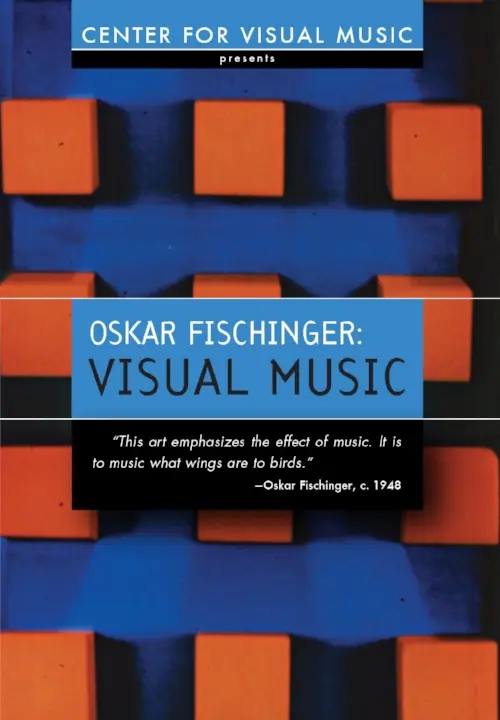
Entirely devoid of conventional narrative structure, Pierrette I unfolds as a visual ballet of colors and geometric forms, choreographed with the precision and grace of a master. The film opens with a cascade of vibrant hues, each hue representing a different emotion or concept, as if the screen is a canvas alive with the brushstrokes of an abstract artist. This initial sequence sets the stage for the entire film, inviting the viewer into a realm where the boundaries between reality and imagination blur.
Oskar Fischinger’s expertise in motion design is on full display in Pierrette I. His ability to manipulate and animate abstract shapes and colors with such fluidity and elegance is nothing short of mesmerizing. Each frame is a testament to his craft, a visual symphony that dances across the screen. The movement of these forms is not merely mechanical but imbued with a sense of life, as if each shape has its own personality and purpose within the film.
The use of color in Pierrette I is particularly noteworthy. Fischinger employs a palette that is as varied as it is harmonious, ranging from the deepest shades of purple and blue to the brightest pinks and yellows. These colors interact with each other in a way that is both visually appealing and emotionally resonant. At times, the colors seem to pulse and breathe, creating a rhythmic flow that enhances the overall visual experience.
While Pierrette I lacks a traditional narrative, it is far from a mere abstract exercise. There is a clear intention behind each shape and color, a deliberate and thoughtful composition that invites the viewer to engage with the film on a deeper level. The forms in the film can be interpreted in various ways, from representing different emotions to symbolizing abstract concepts. This open-endedness allows for multiple readings of the film, making it a rich and rewarding experience for viewers with different perspectives and backgrounds.
The visual narrative in Pierrette I is not linear but rather cyclical, with certain elements recurring throughout the film. This cyclical nature adds a sense of symmetry and balance to the piece, creating a sense of closure and resolution even in the absence of a traditional story. The film seems to exist in a state of perpetual motion, with each new form emerging from the previous one, creating a continuous flow of visual energy.
While Pierrette I stands on its own as a groundbreaking work, it is worth comparing it to other films in Fischinger’s oeuvre to fully appreciate its significance. His Wife Jimmy, for example, also features Fischinger’s innovative use of motion design but within a more narrative framework. In contrast, films like Ambrose’s Visit and The Red Glove explore similar visual themes but in different contexts. These comparisons highlight the versatility of Fischinger’s approach and his ability to adapt his techniques to various artistic goals.
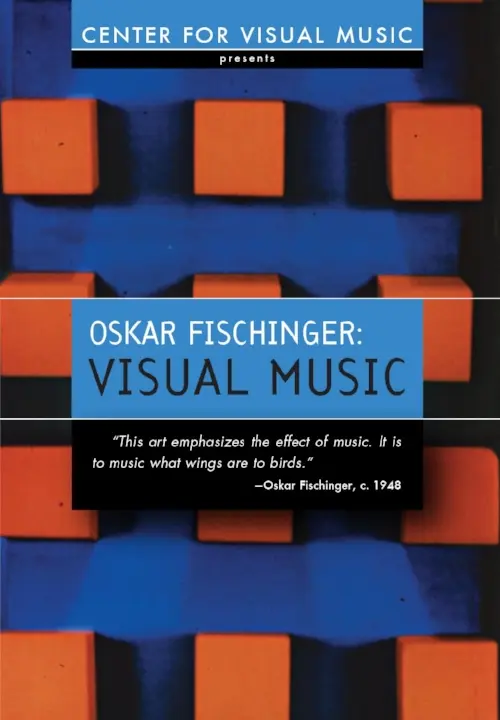
One might also draw parallels between Pierrette I and the work of other abstract filmmakers, such as Norman McLaren or Oskar Schlemmer. However, Fischinger’s unique style and vision set him apart, making Pierrette I a standout in the realm of experimental cinema. The film’s ability to communicate complex ideas and emotions through visual means is a testament to Fischinger’s artistic genius and his profound understanding of the medium of film.
Engagement with Pierrette I is not passive but requires active participation from the viewer. The film challenges the audience to look beyond the surface and find meaning in the abstract forms and colors. This level of engagement is rare in contemporary cinema, where audiences often seek straightforward narratives and clear messages. Pierrette I rewards those willing to dive deeper into its visual language, offering a profound and thought-provoking experience.
The film’s use of sound, or in this case, the absence of it, further enhances its impact. The silence allows the visuals to speak for themselves, creating a meditative atmosphere that invites introspection. The absence of dialogue or music forces the viewer to focus entirely on the visual elements, making each frame a moment of intense visual and emotional experience.
The technical achievements of Pierrette I are no less impressive than its artistic merits. Fischinger’s use of animation techniques, including hand-drawn and stop-motion animations, is flawlessly executed. The precision and control with which he manipulates the forms and colors are a testament to his technical skill. The film’s smooth transitions and fluid animations create a sense of continuity that is both captivating and coherent.
Moreover, the film’s technical achievements are not just about the visual elements but also the composition. Fischinger’s use of negative space and the careful placement of elements within the frame contribute to the film’s overall aesthetic. The interplay between the foreground and background, as well as the use of depth and perspective, adds another layer of complexity to the visual experience.
Pierrette I is a timeless masterpiece that continues to captivate and inspire those fortunate enough to experience it. Oskar Fischinger’s innovative approach to motion design and his ability to create a visual language that speaks to the soul of the viewer make this film a seminal work in the history of experimental cinema. Whether viewed as an abstract art form or as a narrative in itself, Pierrette I stands as a testament to the power of visual storytelling and the limitless potential of cinema.
For those interested in delving deeper into the world of Oskar Fischinger, Pierrette I is an excellent starting point. It is a film that invites repeated viewings, each time revealing new layers of meaning and beauty. Whether you are a seasoned film enthusiast or a newcomer to the world of experimental cinema, Pierrette I is a must-see.
IMDb 6.2
1918
Community
Log in to comment.