DbcultAccessing Vault...
6/10
Senior Film Conservator
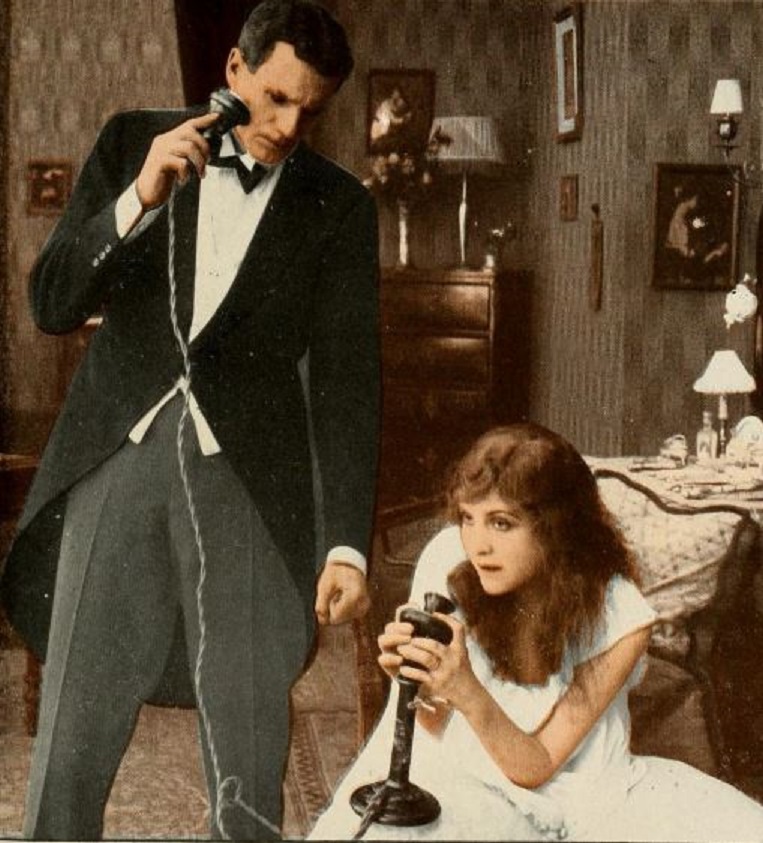
A definitive 6/10 rating for a film that redefined the boundaries of cult cinema. The Spendthrift remains a cornerstone of transgressive art.
A gold-leafed migraine of a film, The Spendthrift arrives like a moth-eaten ledger exhumed from a safety-deposit vault: every frame smells of camphor, champagne, and the coppery tang of overdraft fees.
Porter Emerson Browne’s scenario, adapted from his own Broadway success, refuses to genuflect toward the moral absolutes that silent melodrama so often embosses onto title cards. Instead, it scribbles a graphite smear across the doctrine of “money can’t buy happiness,” arguing that, under certain lunar conditions, money can indeed purchase misery wholesale—provided one forgets to read the fine print.
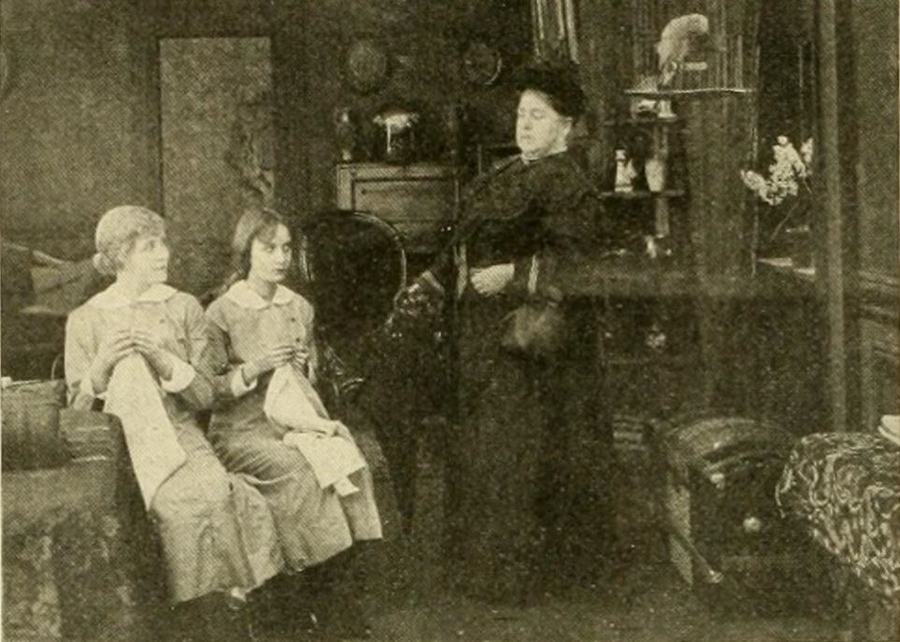
Gretchen Jans—magnate, matriarch, and self-anointed high priestess of postponed gratification—presides over an empire of corsets and compound interest. Her philosophy is simple: starve the heart today so the bank statement may feast tomorrow. In her cavernous parlor, even the shadows look undernourished. She rears her nieces, Frances and Clarice, on a diet of stitch-and-scrim sermons, teaching them that a turned hem is holier than a turned cheek.
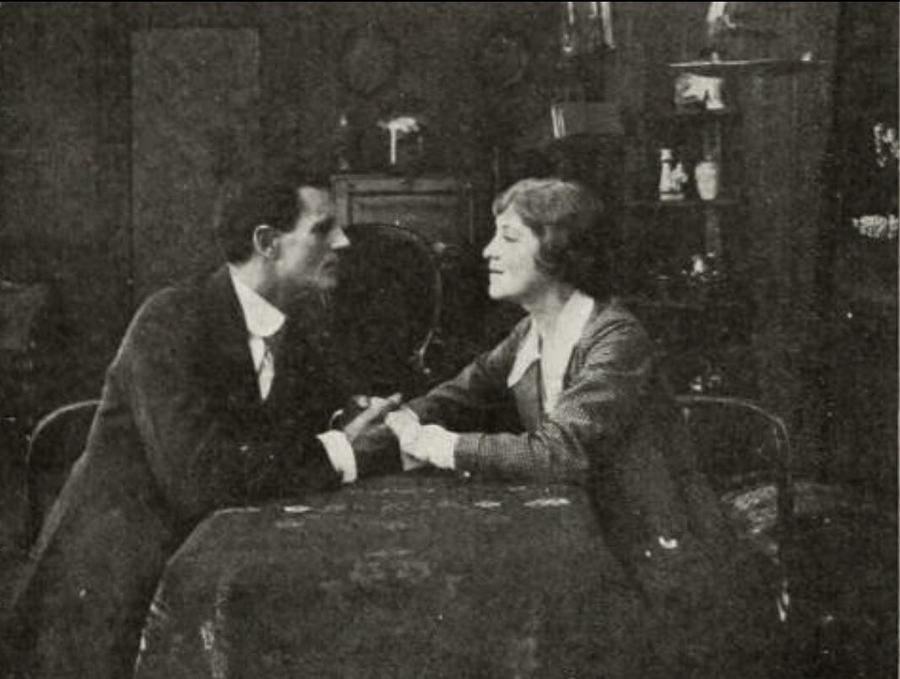
Miss Dolores plays Frances with a porcelain volatility: every blink seems to cost her a nickel she can’t spare. Watch her fingers worry the frayed cuff of an otherwise immaculate dress—an entire backstory of withheld tenderness in one nervous gesture. When Richard Ward (Malcolm Duncan, all earnest side-part and suffocating collars) proposes, the camera lingers on Frances’s pupils as they dilate not with love but with the vertigo of imminent escape.
The wedding sequence is shot like a train robbery: rapid intercuts between the aunt’s forbidding scowl, the rust-stained depot, a preacher whose Adam’s apple bobs like a metronome counting down solvency. Once the vows are traded, the film’s palette—already sepia-tinged—seems to combust into a fever of pinks and gilt. Frances discovers the giddy narcotic of retail. Milliners, florists, restaurateurs become co-conspirators in a conspiracy to bankrupt tomorrow before it arrives.
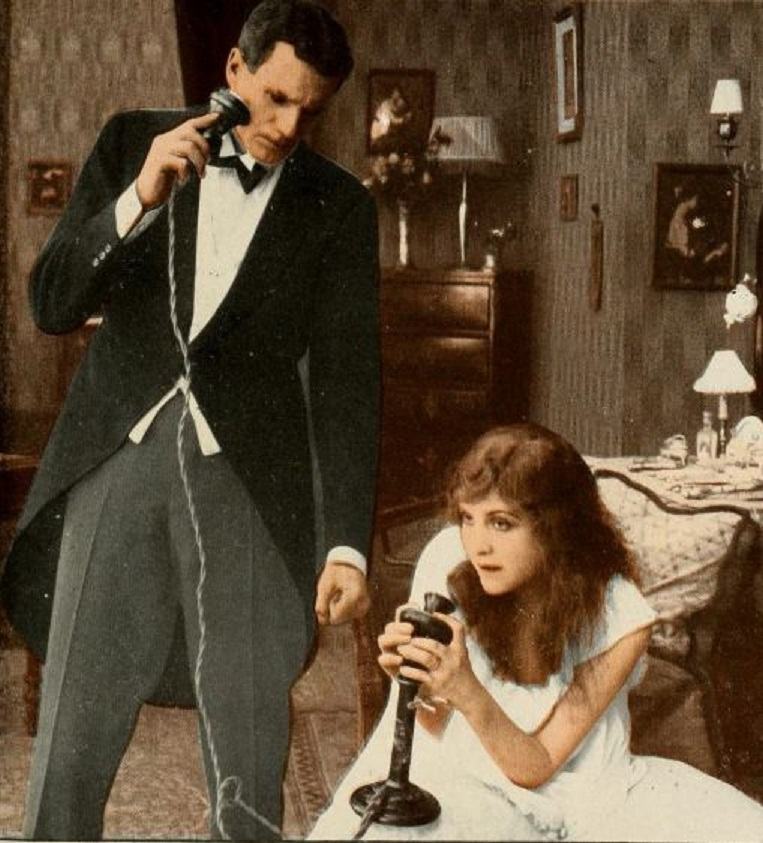
Here Browne’s wit scalds: every purchase is labeled in florid intertitles—"A hat to make the moon jealous, $45"—numbers that throb like inflamed lymph nodes. Richard, initially amused, attempts to apply the brakes only to discover the vehicle is brake-less and downhill all the way. Credit notes proliferate like fungal spores; soon the couple’s hotel suite looks less like a honeymoon hideaway than a pop-up pawnshop of deferred dreams.
Enter Cyril Keightley’s nameless financier—sleek, unctuous, impeccably barbered. He glides through the narrative with the frictionless menace of a shark that’s learned to tip bellboys. His first gift is a pearl necklace whose beads clack together like tiny ivory calculators tallying sin. Frances accepts, rationalizing that love letters are obsolete currency; pearls, at least, reflect lamplight.
What follows is a slow-motion auction of self-respect. Each new loan is inked in parlors that grow dimmer, as though the rooms themselves are embarrassed. The financier’s terms escalate from usury to uxoriousness: one midnight, he proposes a contract that would make Frances his “ward”—a euphemism that fogs the camera lens with Victorian dread. The scene is blocked so that Frances’s reflection in a gilt mirror appears to negotiate separately, her double mouthing silent objections while the real woman signs.
Because the film is mute, its most lacerating dialogue happens in glances. Watch Duncan’s eyes when Richard learns the total arrears: the pupils recede like ebb tide exposing a reef of broken promises. In a daring close-up, the actor lets his lower lip tremble exactly three frames—long enough to register panic, short enough to maintain Edwardian stoicism. It’s a micro-gesture that anticipates the Method by four decades.
Viola Savoy, as Clarice, provides counterpoint: the “good” niece who stayed home, darned socks, and married a clerk. Yet even she is tainted, clutching a purse stuffed with paltry coupons while envying Frances’s ostrich-feather boas. In one devastating insert, Clarice window-shunts outside a boutique, her breath fogging the glass until the price tag behind it dissolves—materialism as weather system.
Director John W. Noble stages bankruptcy like a ballroom blitz. Creditors arrive in top hats arranged like a descending chromatic scale; each new visitor lowers the ceiling an inch. Furniture exits strapped to porters’ backs; chandeliers shrink to candle stubs. The camera cranes upward until the marital bed looks no larger than a child’s coffin. It’s a domestic Saint John the Baptist—only the head on the platter is Richard’s credit rating.
Intertitles, usually the film’s weakest joint, here achieve haiku brutality: “Sold—her trousseau for a tenth its stitch.” The arithmetic lands like a slap because the prior title showed the same garments radiant on her wedding morn. The montage is so ruthless that modern viewers may reflexively check their own bank apps, half expecting push notifications of overdraft.
Just when the narrative threatens to wallow in its own bilge of despair, Frances rebels—not with gun or knife, but with a ledger sheet. In a candlelit reckoning, she confronts the financier, slaps the promissory notes onto the table like playing cards, and demands a reckoning. The scene’s blocking reverses earlier power dynamics: now her silhouette eclipses his, a visual metaphor for solvency regained.
Yet Browne denies catharsis. The final reel finds the couple relocated to a tenement whose wallpaper bubbles like diseased lung tissue. They share a single chair, yet Frances’s smile—brittle but real—suggests that living within one’s means may be the most radical luxury of all. The last intertitle reads: “Love, paid in full—no refunds.” Fade-out on their embrace, the camera slowly irising shut like a miser's purse.
Malcolm Duncan, remembered mostly for swashbucklers, here reveals a gift for fiscal panic; his Richard ages a decade in ninety minutes, hairline retreating like treasury reserves. Miss Dolores oscillates between sybaritic rapture and mortified remorse without slipping into hysteria—a tightrope walk over Niagara-sized melodrama. Cyril Keightley’s financier deserves mention in the pantheon of silent parasites alongside The Cheat’s Sessue Hayakawa: same reptilian charm, different collar stud.
Cinematographer Carl W. Kurzmeyer employs chiaroscuro the way loan sharks employ compound interest—every shadow deepens the principal. Notice how gilt edges of frames grow tarnished scene by scene; by midpoint, even picture rails look ashamed. The film’s one tracking shot glides past a hallway of slammed doors, each slam subtitled with an IOU. It’s the silent era’s answer to Under the Gaslight’s locomotive tension, only the oncoming train is made of receipts.
Unlike contemporaries such as The Keys to Happiness, which punishes female extravagance with death, The Spendthrift imposes a more quotidian damnation: bookkeeping. Frances’s sin isn’t desire—it’s miscalculation. The film quietly indicts a system that educates women in embroidery but not APR, then feigns shock when they mortgage autonomy for pearls.
Today the film survives only in a 35mm print stored at the Library of Congress, speckled like a leopard with emulsion rot. Yet its DNA reappears in everything from Mad Men’s departmental credit lines to Indecent Proposal’s monetized marriage. It’s the primordial American fable: love on layaway, happiness rented by the hour.
Viewers emerging from a 4K restoration (should some patron saint of lost cinema bankroll it) will find its warnings scrawled on every swipe of plastic. Frances’s hat that “makes the moon jealous” now translates to a $4000 Balenciaga; the anonymous financier wears the logo of every algorithmic lender pinging your phone at 2 a.m.
Is The Spendthrift a rediscovered masterpiece? Not quite. Its pacing stumbles during reel four, and an unnecessary comic interlude involving a tipsy maid should have been trimmed like excess crinoline. Yet its merciless arithmetic of affection feels startlingly contemporary. In an era where weddings are crowdfunded and divorces refinanced, this 1915 cautionary tale whispers across the celluloid: every kiss comes with compound interest, and the bill always arrives on time.
Watch it, then freeze-frame your own budget. If the numbers blur, look closer—those aren’t zeroes, they’re pearls.
IMDb —
1924
Community
Log in to comment.