Summary
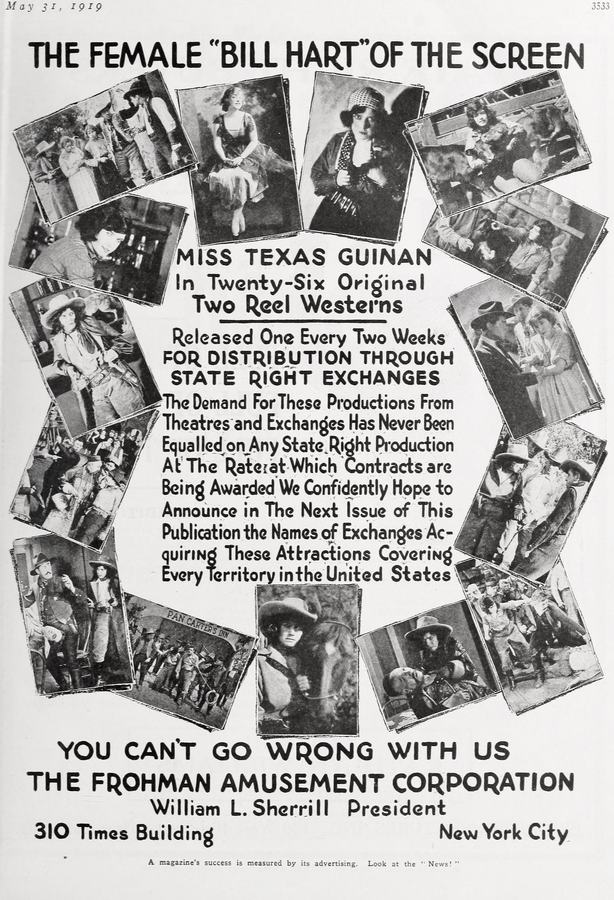
“The Spirit of Cabin Mine” plunges into the grimy depths of human avarice and spiritual reckoning, a compelling silent-era tableau unfolding within the desolate embrace of a failing mining settlement. Here, the formidable Silas Thorne, portrayed with a brooding intensity by H.N. Dudgeon, presides over the titular Cabin Mine, a labyrinthine maw that has consumed fortunes and lives, leaving behind a legacy of whispered tragedies. Into this crucible of despair arrives Elara Vance, a figure of ethereal resolve embodied by Dorothy Oliver, whose delicate exterior belies an unyielding quest for truth. She carries not just the weight of her own enigmatic past but also the spectral echo of a family lost to the mine's treacherous maw years prior—a catastrophe conveniently obfuscated by Thorne. Her arrival ignites a dormant malevolence, stirring the metaphorical, and perhaps literal, "spirit" of the mine: the collective memory of its victims, the raw injustice that permeates the very rock. Bud Travers, as the earnest yet circumspect miner Jed Stone, becomes an unlikely anchor in Elara's perilous journey, navigating the treacherous social landscape and the mine's physical dangers. Meanwhile, Texas Guinan’s Lily Devereaux, a vibrant, world-weary proprietress of the town's only solace, observes the unfolding drama with a cynical eye, her knowledge of local lore proving both a shield and a potential weapon. As Elara unearths fragmented clues—a cryptic journal, an abandoned locket, a recurring spectral flicker in the mine's deepest recesses—the truth of Thorne’s complicity in the past disaster slowly surfaces. The film culminates in a harrowing, inevitable mine collapse, a visceral manifestation of the town’s spiritual decay, forcing a confrontation where long-buried secrets are violently exhumed, and the true "spirit" of Cabin Mine, a force of justice and remembrance, finally asserts its spectral dominion over the living.
Review Excerpt
"In the annals of silent cinema, where shadows danced with nascent dreams and storytelling found its voice through gesture and stark imagery, there occasionally emerges a work that transcends its temporal confines, speaking to universal human truths with an uncanny clarity. “The Spirit of Cabin Mine” is precisely such an artifact—a profoundly resonant melodrama that excavates not just the earth's riches, but the very soul of a community ravaged by avarice and haunted by its own buried transgressi..."