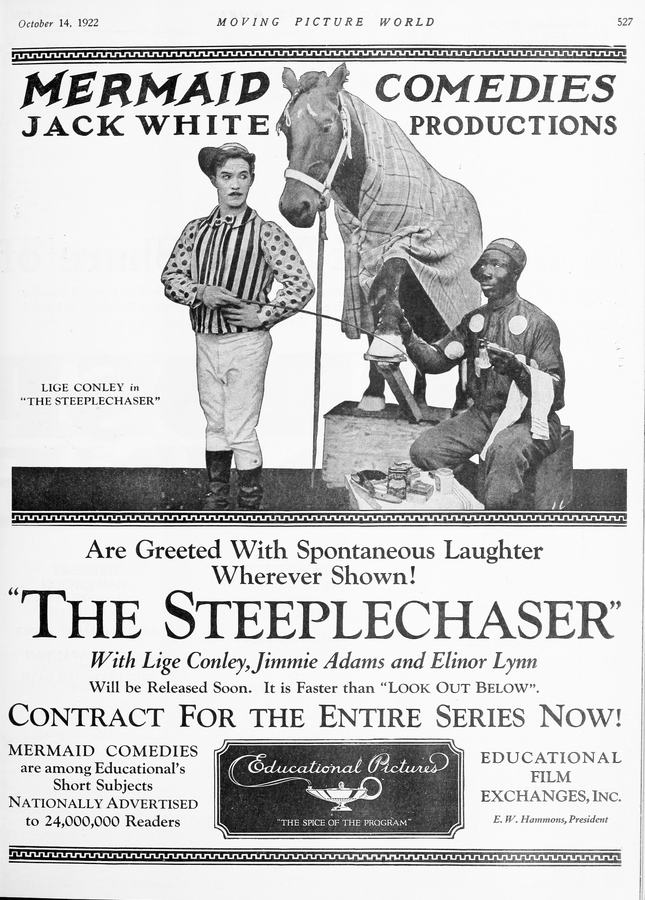
Imagine, if you can, a film whose sprocket holes smell of sawdust and gunpowder; whose intertitles bleed bourbon and holy water; whose montage accelerates like a locomotive that has jumped the tracks of narrative convention. The Steeplechaser—long thought lost in the 1967 MGM vault fire—has resurfaced from a Portugue...
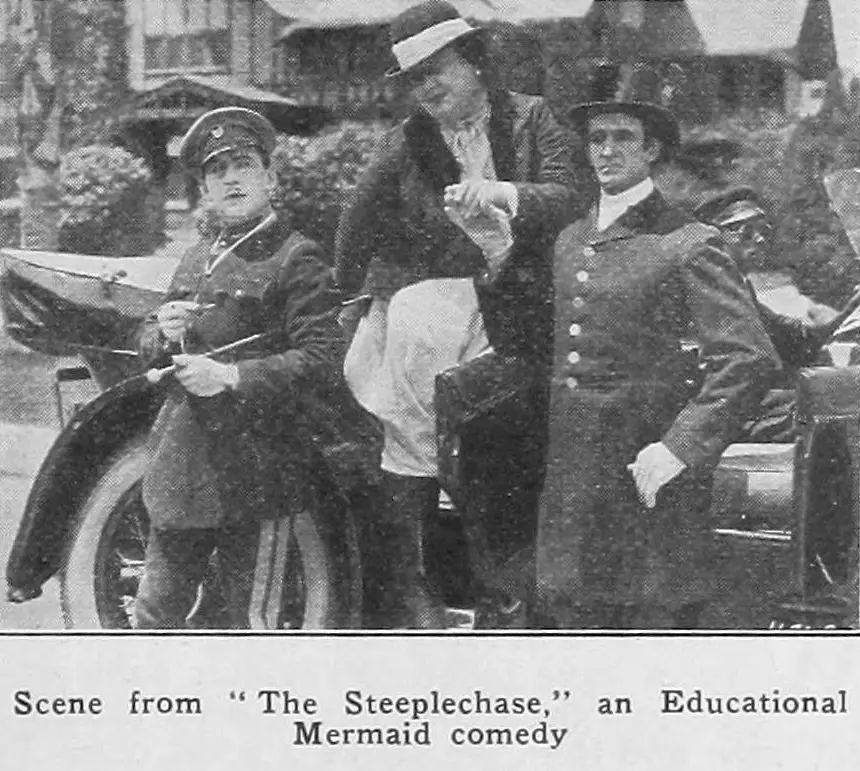
still_frame
Comparing the cinematic DNA and archive impact of two defining moments in cult history.
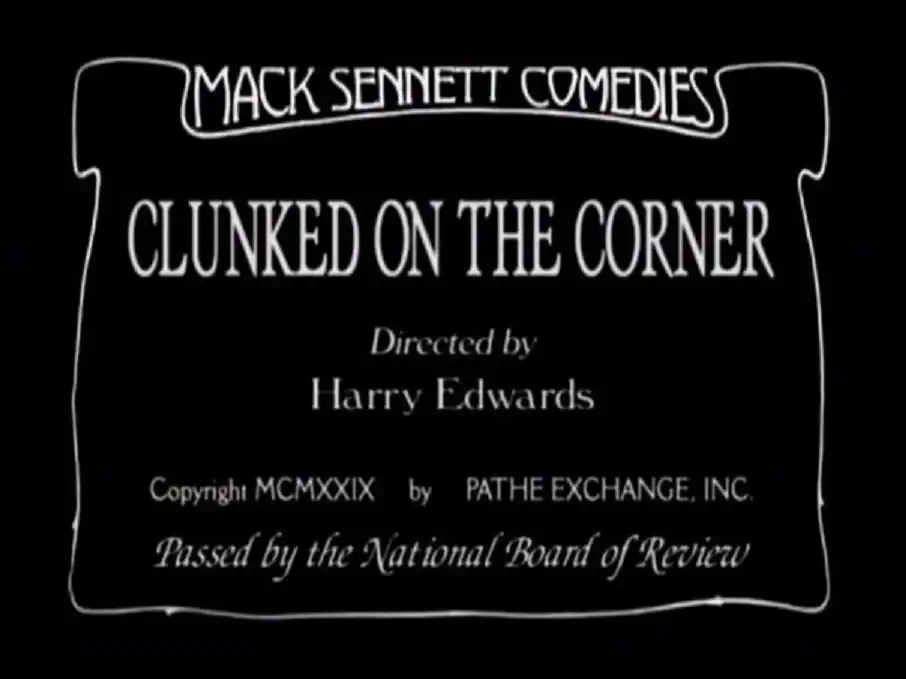
Harry Edwards
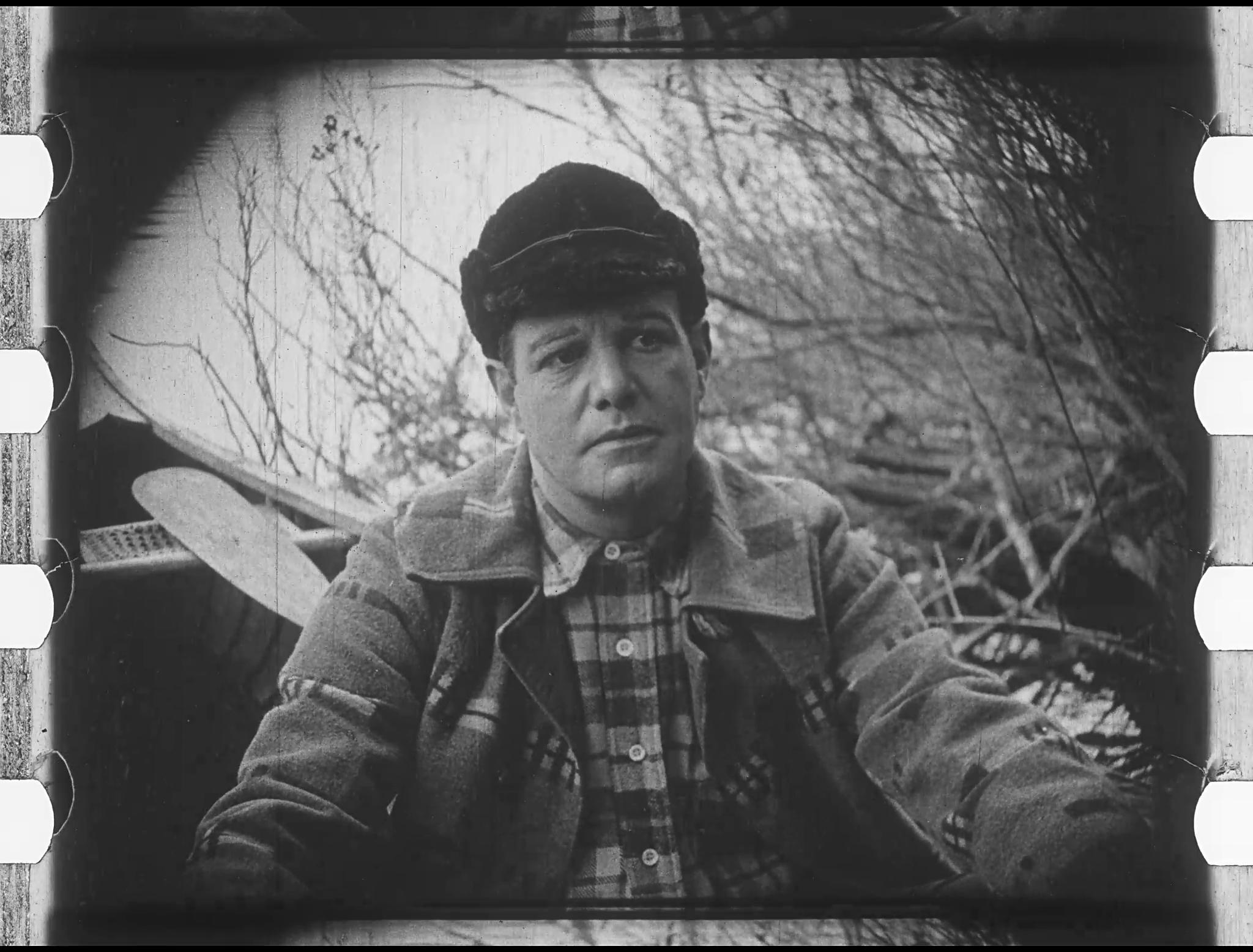
Edgar Jones
Community
Log in to comment.
" Imagine, if you can, a film whose sprocket holes smell of sawdust and gunpowder; whose intertitles bleed bourbon and holy water; whose montage accelerates like a locomotive that has jumped the tracks of narrative convention. The Steeplechaser—long thought lost in the 1967 MGM vault fire—has resurfaced from a Portuguese monastery’s crypt, its nitrate scars glowing like stigmata under the projector bulb. What unspools is not merely a sports picture but a fever-dream in which the steeplechase bec..."
United States
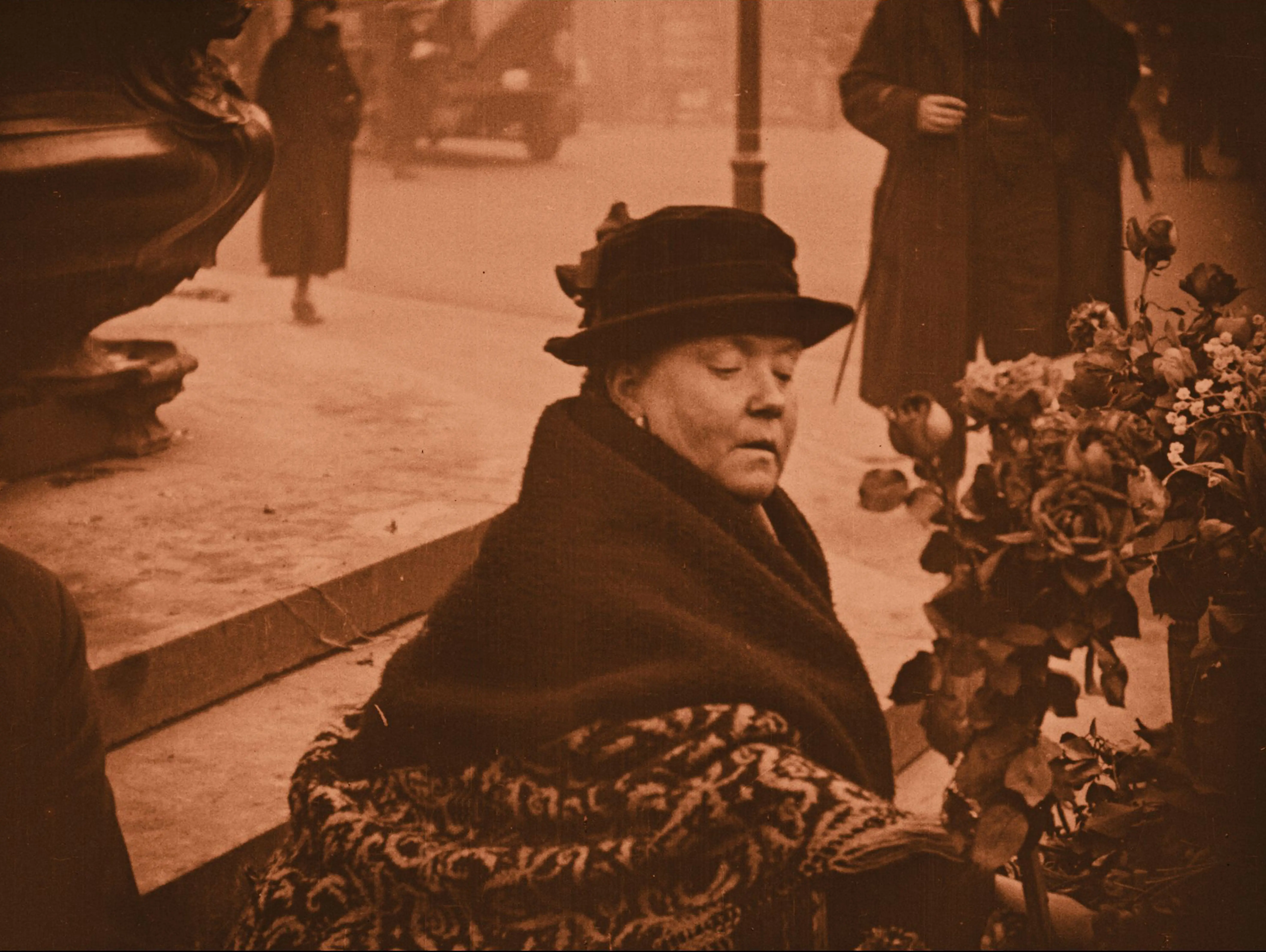

Deep dive into the cult classic
Discover similar cinematic experiences
A Directorial Spotlight on Harry Edwards