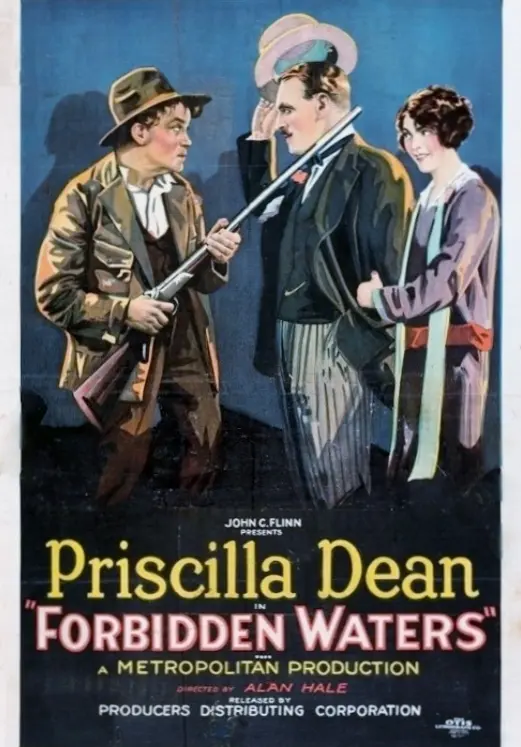
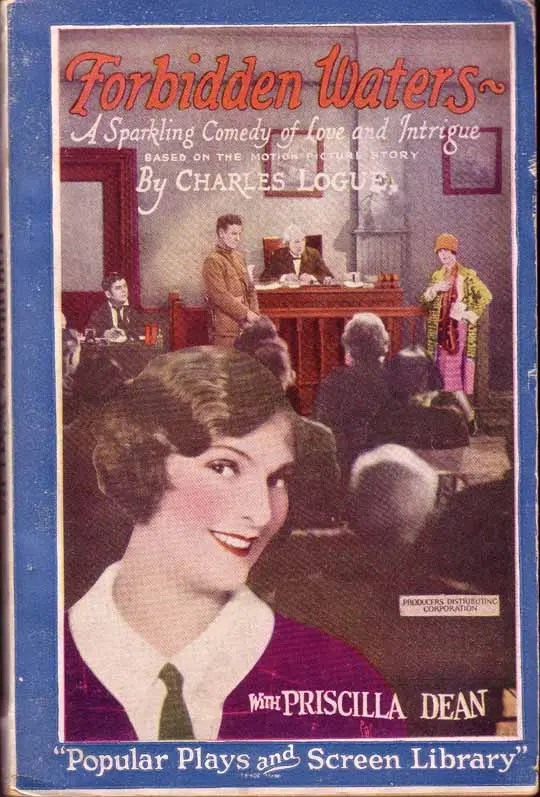
Is Forbidden Waters a silent-era relic destined for only the most ardent cinephiles, or does it possess a timeless charm that transcends its antiquated form? The short answer is yes, but with significant caveats that demand a specific palate. This film is unequivocally for those who appreciate the raw, often exaggerated, storytelling of early cinema and are willing to engage with its historical context, particularly its exploration of societal anxieties around divorce and female agency in the 1920s. It is decidedly not for viewers seeking modern pacing, nuanced character development, or dialogue-driven narratives.
Unpacking a film like Forbidden Waters requires a specific lens, one that acknowledges its era while still seeking universal truths. It works. But it’s flawed. This silent melodrama, with its tangled web of rekindled romance and opportunistic villainy, serves as a fascinating, if sometimes frustrating, artifact.
The Core of Its Appeal and Its Undoing
Let's cut directly to the chase, as any discerning critic should:
This film works because it offers an unvarnished, if melodramatic, reflection of social mores concerning marriage, divorce, and female independence in the early 20th century. Its clear-cut villain and sympathetic protagonist provide a foundational dramatic tension that, despite its simplicity, remains engaging. The performances, while broad, are often compelling for their period-specific intensity.
This film fails because its character motivations are often shallow, its plot resolution feels rushed and overly convenient, and it leans too heavily into silent film tropes without offering much in the way of innovative storytelling or visual flair that might elevate it beyond a mere curiosity. The 'gold digger' archetype, while historically relevant, feels particularly one-dimensional.
Scene from Forbidden Waters
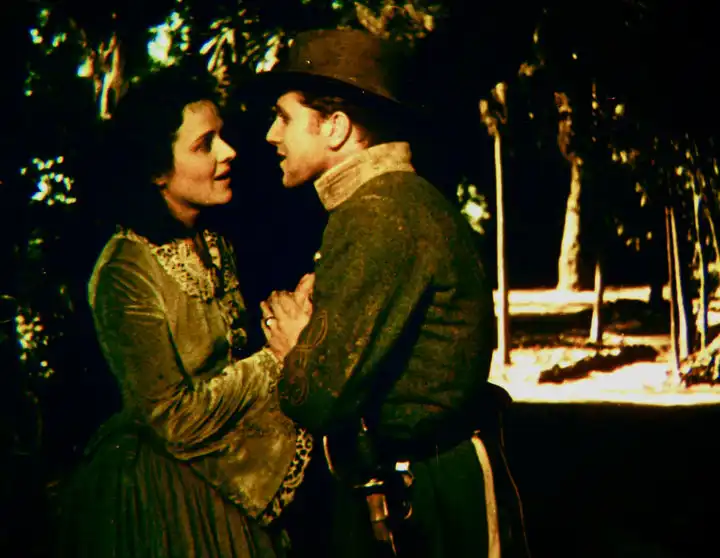
Cinematic perspective: Exploring the visual vocabulary of Forbidden Waters (1926) through its definitive frames.
You should watch it if you are a student of film history, particularly silent cinema, or if you have a keen interest in how gender roles and societal expectations were portrayed on screen a century ago. It’s a valuable piece for understanding the evolution of narrative film, but perhaps not a casual Saturday night viewing.
A Glimpse into the Roaring Twenties' Anxieties
The narrative of Forbidden Waters, penned by Percy Heath and Charles Logue, is deceptively simple. It begins with Nancy Bell, freshly divorced in Reno, a city already synonymous with quick marital dissolutions. This opening alone immediately grounds the film in a specific socio-cultural moment, tapping into the anxieties and evolving freedoms of the early 20th century. Reno divorces were a hot topic, symbolizing a shift away from rigid Victorian norms, and the film wastes no time in placing its heroine at the heart of this cultural phenomenon.
Nancy’s subsequent arrest for speeding — a minor infraction that nonetheless lands her in jail due to her inability to pay the fine — serves as a convenient plot device to reintroduce her former husband, J. Austin. This twist of fate sets the stage for the central conflict: a battle for Austin’s affections waged by Nancy, who still loves him, and Ruby, a classic 'blonde crook' archetype. The film, in this regard, is less a nuanced exploration of post-marital life and more a morality play dressed in contemporary garb.
The character of Ruby, portrayed by De Sacia Mooers, is perhaps the most fascinating, if problematic, element of the plot. She embodies the era's fear of the independent, opportunistic woman – a stark contrast to Nancy’s more traditional, enduring affection. Ruby’s machinations are transparent, her motives purely financial, painting her as a cautionary tale for men of means. It’s a trope that feels dated today, yet it offers a window into the prevailing gender stereotypes and economic anxieties of the time.
Performances: Silent Grandeur and Exaggerated Emotion
Silent film acting often gets a bad rap for its perceived over-the-top nature, but within its own context, it was a precise art. The actors in Forbidden Waters deliver performances that are true to this tradition, relying heavily on facial expressions, body language, and carefully choreographed movements to convey emotion and drive the narrative.
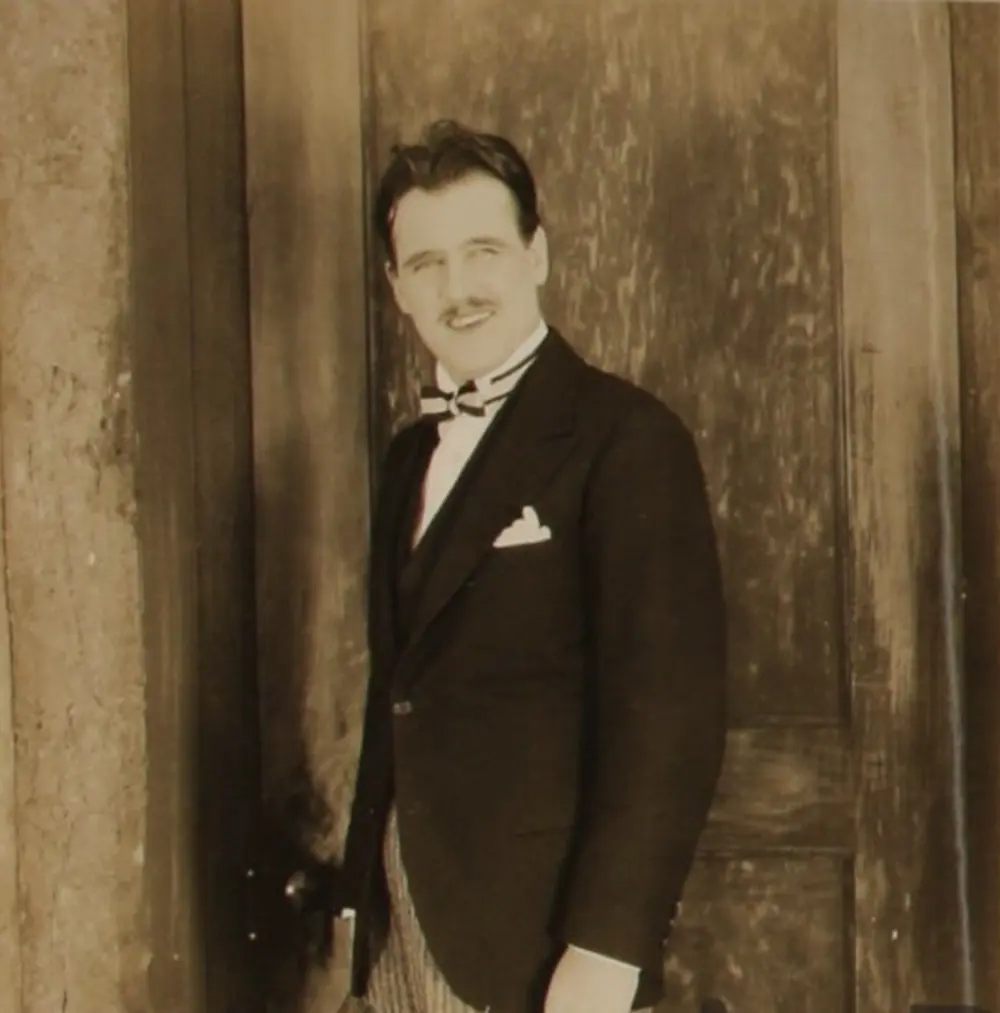
Scene from Forbidden Waters
Cinematic perspective: Exploring the visual vocabulary of Forbidden Waters (1926) through its definitive frames.
Priscilla Dean as Nancy Bell carries the emotional weight of the film. Her portrayal is one of a woman caught between societal expectations and personal desire. While her initial divorce suggests a degree of independence, her subsequent actions are driven by a yearning for her former husband. Dean excels at conveying this internal conflict through expressive glances and gestures; one memorable scene involves her subtle yet desperate attempts to divert J. Austin’s attention from Ruby, her eyes conveying a world of unspoken anxiety and lingering love. It’s a performance that, while broad by modern standards, resonates with a genuine pathos.
De Sacia Mooers, as the villainous Ruby, is a standout for entirely different reasons. She embraces the 'femme fatale' archetype with gusto, her every move calculated, her smiles dripping with insincerity. Her physical presence often dominates the frame when she shares a scene with J. Austin, signifying her predatory nature. There’s a particular moment where she subtly places her hand on J. Austin’s arm, her gaze fixed on him, while Nancy watches from a distance – a simple gesture, yet powerfully indicative of the encroaching threat she represents. Mooers doesn’t just play a villain; she embodies the era’s anxieties about feminine deception.
Casson Ferguson as J. Austin, the object of both women’s affections, plays the somewhat oblivious, if ultimately good-hearted, male lead. His performance is less about deep character exploration and more about reacting to the dramatic forces around him. He serves as the fulcrum for the narrative’s romantic seesaw, often appearing bewildered by the machinations unfolding. While perhaps not the most dynamic role, Ferguson grounds the melodrama with a convincing earnestness that makes his eventual decision feel earned, rather than simply convenient. His bewildered expressions when caught between Nancy and Ruby provide some of the film’s more understated comedic moments.
The supporting cast, including Dan Mason and Walter McGrail, fill their roles adequately, contributing to the overall theatricality inherent in silent film. Their presence helps flesh out the world, even if their characters don't receive significant development. The bemused preacher, for instance, offers a brief but memorable touch of comic relief and finality to the proceedings.
Direction and Cinematography: A Standard Silent Offering
Details on the director for Forbidden Waters are sparse, which is not uncommon for films of this period, where studio system and producer influence often overshadowed individual directorial credit. However, the film exhibits a competent, if not groundbreaking, approach to silent storytelling. The direction focuses on clarity of narrative, ensuring that even without dialogue, the audience understands the motivations and emotional states of the characters through visual cues.
The cinematography, while not reaching the artistic heights of a Murnau or a Griffith, is functional and effective. It employs standard silent film techniques: establishing shots to set the scene, medium shots for character interactions, and judicious use of close-ups to emphasize emotional beats. For example, the use of a close-up on Nancy’s face as she watches Ruby flirt with J. Austin is crucial for conveying her heartbreak and determination without an intertitle. The lighting is generally high-key, typical of the era, ensuring visibility, but there are moments where subtle shifts in shadow might hint at Ruby’s darker intentions, particularly in indoor scenes.
Pacing is another crucial element of silent cinema, often dictated by the rhythm of the intertitles and the actors’ movements. Forbidden Waters maintains a steady, deliberate pace, allowing moments of emotional intensity to breathe before moving the plot forward. It avoids the frantic cutting of some later silent action films, opting instead for a more theatrical rhythm. This deliberate pacing ensures that the audience can absorb the visual storytelling without feeling rushed, a quality that might feel slow to modern viewers but was essential for its original audience.