DbcultAccessing Vault...
6.3/10
Senior Film Conservator
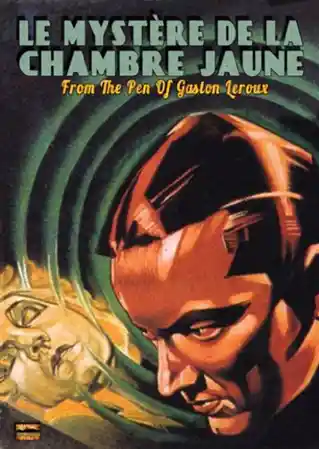
A definitive 6.3/10 rating for a film that redefined the boundaries of cult cinema. The Mystery of the Yellow Room remains a cornerstone of transgressive art.
Alright, so if you're into those old, creaky mysteries, the ones where the detective actually uses their *brain* and not just tech, then The Mystery of the Yellow Room from 1930 is definitely worth a look. Folks who love classic cinema, especially early sound films, or anyone who enjoys a proper locked-room puzzle will probably get a real kick out of it. If you need explosions or lightning-fast editing to stay awake, this one’s likely gonna feel like a long nap. 😴
It’s based on Gaston Leroux’s book, you know, the same guy who gave us *Phantom of the Opera*. And the setup here is just gold: a young woman, Mathilde, gets attacked in her bedroom. The catch? The room is sealed. No windows, door locked from the inside. How does that even work? It’s the kind of thing that makes your brain itch in the best way.
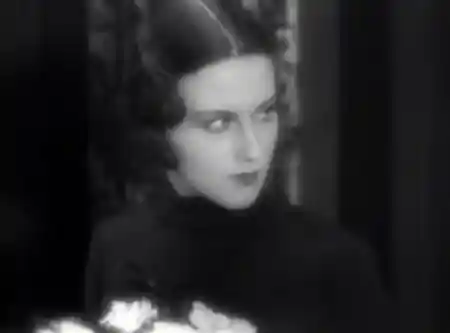
The film starts with the absolute chaos right after the attack. Everyone's running around, shouting. There’s a detective, Frédéric Larsan, who seems like the Big Shot. But then this young journalist, Joseph Rouletabille, pops up. He's this skinny kid, looks a bit scruffy, but you can tell he’s got a mind going a mile a minute. He's the one you actually want to watch.
The film really leans into the whole 'who could it be?' angle, and for a 1930 movie, it does a pretty good job of keeping the suspects swirling. Naturally, Mathilde's fiancé, Robert Darzac, is the main focus for the police. He’s a bit stiff, and that doesn't really help his case, does it? The way he just *stands there* sometimes, it almost feels like he’s trying to look guilty. Or maybe just overwhelmed. Hard to tell with those old acting styles.
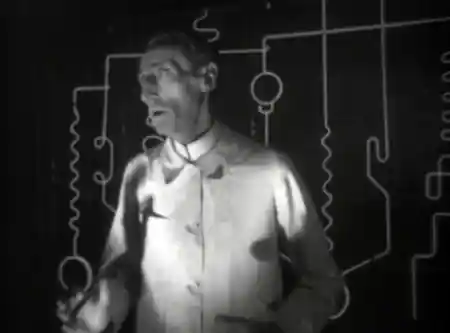
One scene that sticks with you is when they’re examining the room. The camera just lingers on the details: a broken window pane, a blood stain, a strange handprint on the wall. They really take their time. It’s not fast, not flashy, but you get to see everything they’re seeing. It forces you to put the pieces together with Rouletabille.
And Rouletabille, man, he’s great. He’s got this intense, almost frantic energy compared to everyone else. He doesn't just look at the obvious; he’s looking at the *impossible*. He's constantly scribbling notes, questioning things nobody else even thought to ask. He just *knows* there's something more to it. His moments of sudden insight, where he just stares off, you can almost hear the gears turning in his head.
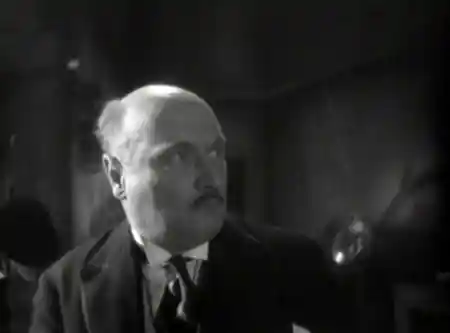
The pacing is definitely a product of its time. It’s slower, more deliberate. There are long stretches of dialogue, mostly people standing around and talking things out. But honestly, for this kind of story, it works. It lets the mystery breathe. You get to absorb the details. Some of the shots feel a bit stagey, like they just set up the camera and let the actors do their thing, which is pretty common for early talkies.
There's a bit about a secret passage, which, of course, there is. But even that gets complicated. The whole thing feels like a very intricate clockwork mechanism, slowly revealing its hidden gears. The twists aren't just thrown in; they're *earned* through Rouletabille's relentless deductions.
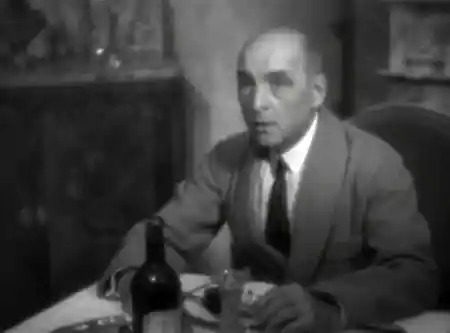
The sound quality, being from 1930, is what you'd expect. A bit tinny sometimes, and you have to really pay attention to the dialogue. But it adds to the charm, if you ask me. It reminds you that you're watching a piece of film history. You can almost feel the weight of time on it. 🕰️
The ending is… well, it’s certainly something. It’s *complex*. It’s one of those reveals where you might need to rewind a bit to fully grasp all the connections. But it’s satisfying in its cleverness. It's not about big action, but about the elegant unraveling of a truly impossible situation. It makes you think, 'How did anyone even come up with that?'
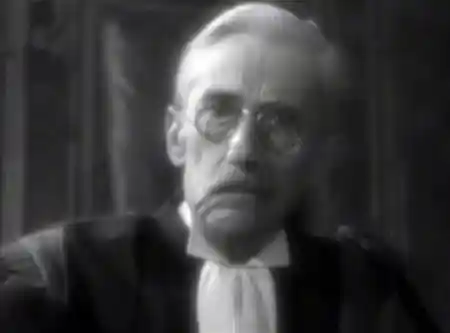
It’s not just a good mystery; it's a window into how films told stories back then. If you’ve seen something like The City of Beautiful Nonsense or A Wonderful Night, you’ll appreciate the early cinematic attempts at narrative complexity here. The Mystery of the Yellow Room is a smart, engaging watch for anyone who loves a good puzzle, even if it moves at a different speed than we’re used to today.
IMDb —
1925
Community
Log in to comment.