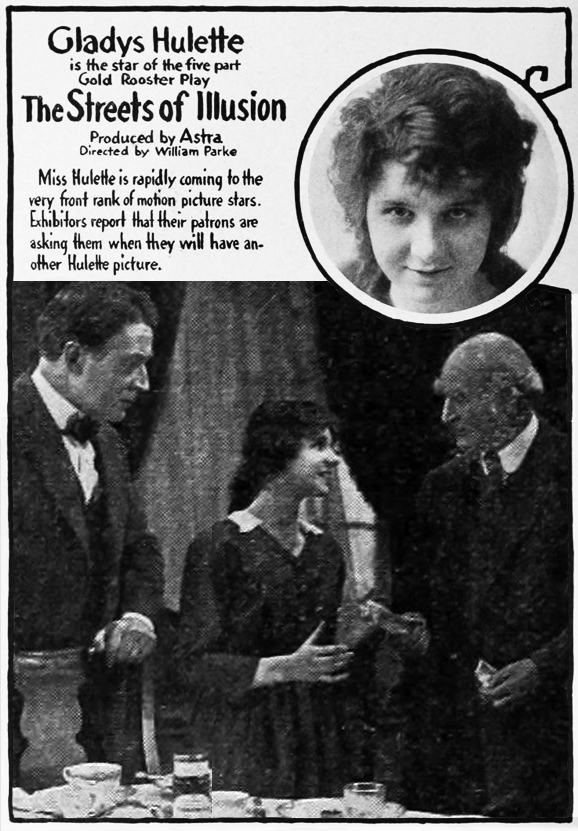
Beam opens a boarding house and many interesting characters are introduced. She spreads her optimism to their lives.
Andrew Soutar, Philip Bartholomae
United States
Beam’s boarding house creaks like a violin that refuses to stay in tune; every tenant is a sour note she bends toward harmony. Shot through with sodium flares and carbon-arc shadows, The Streets of Illusion arrives as a 1923 orphan newly adopted by 4K restoration, its nitrate bruises cauterized into something phosphor...
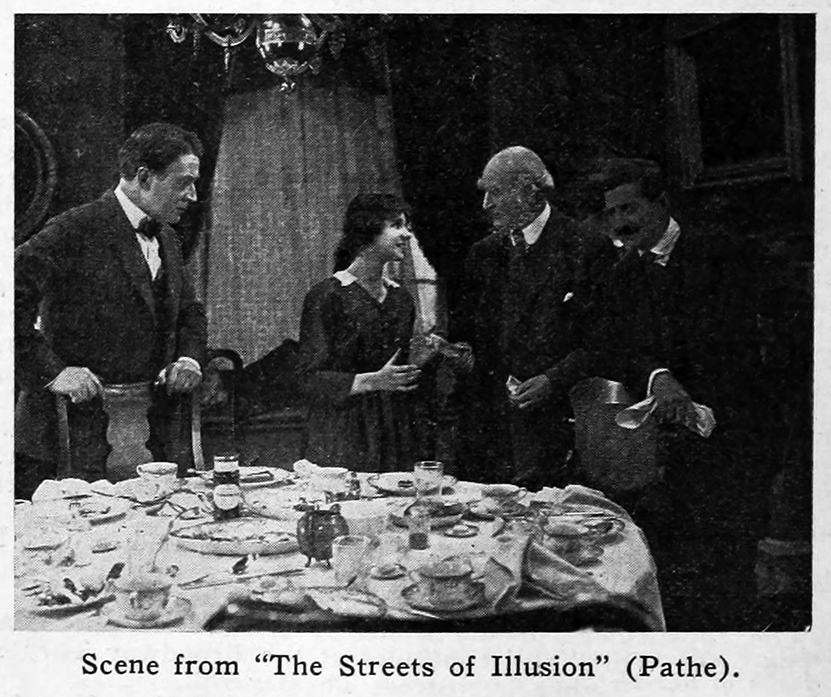
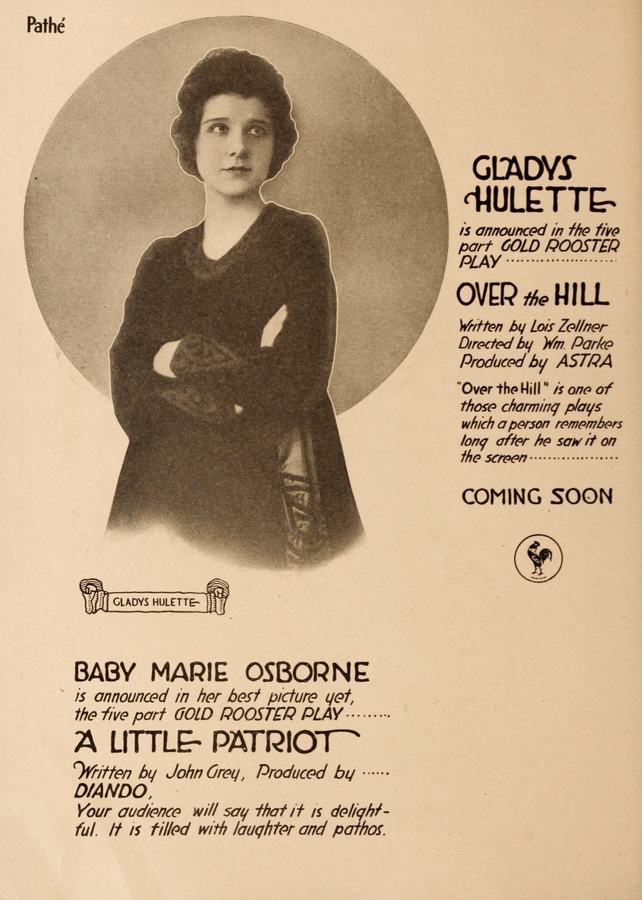
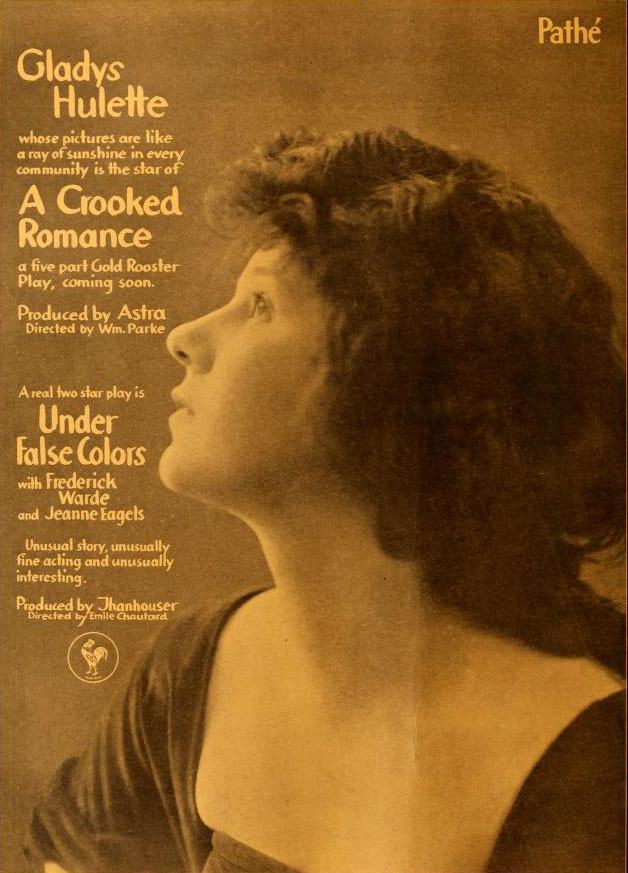
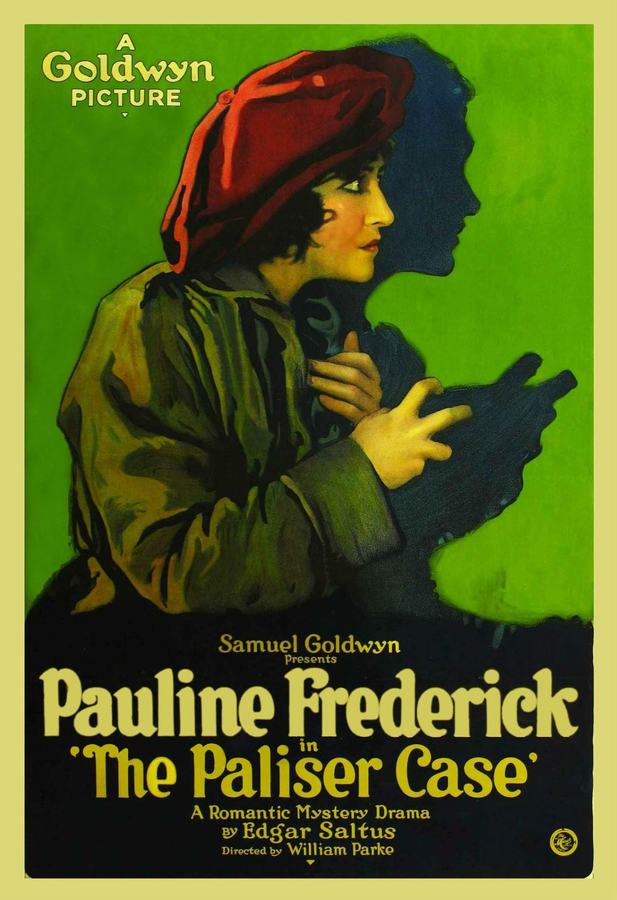
publicity
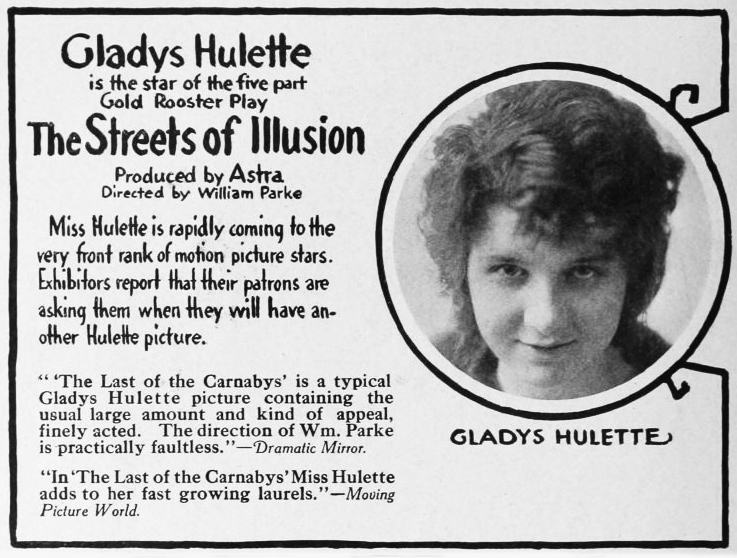
publicity
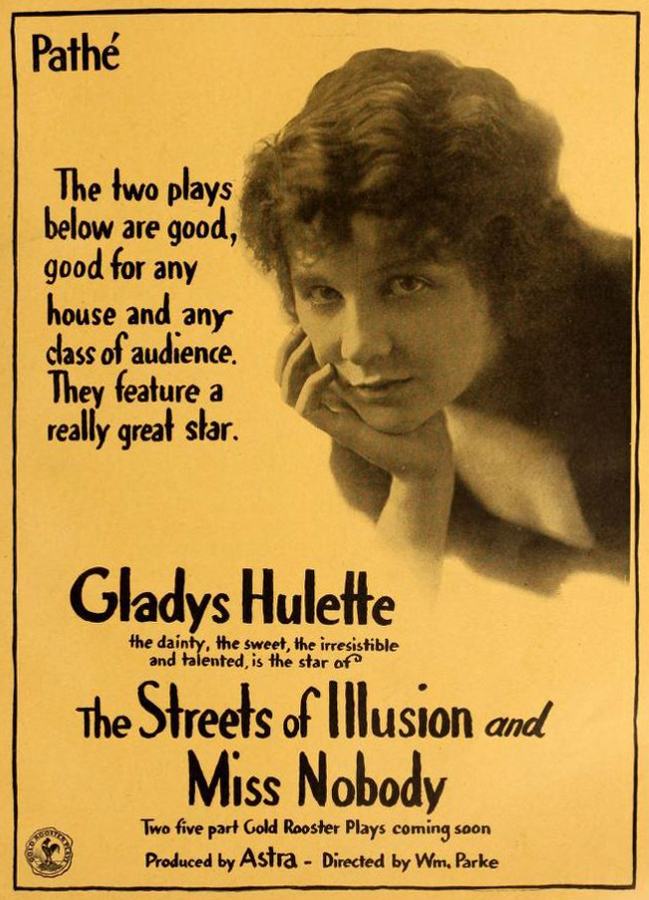
publicity
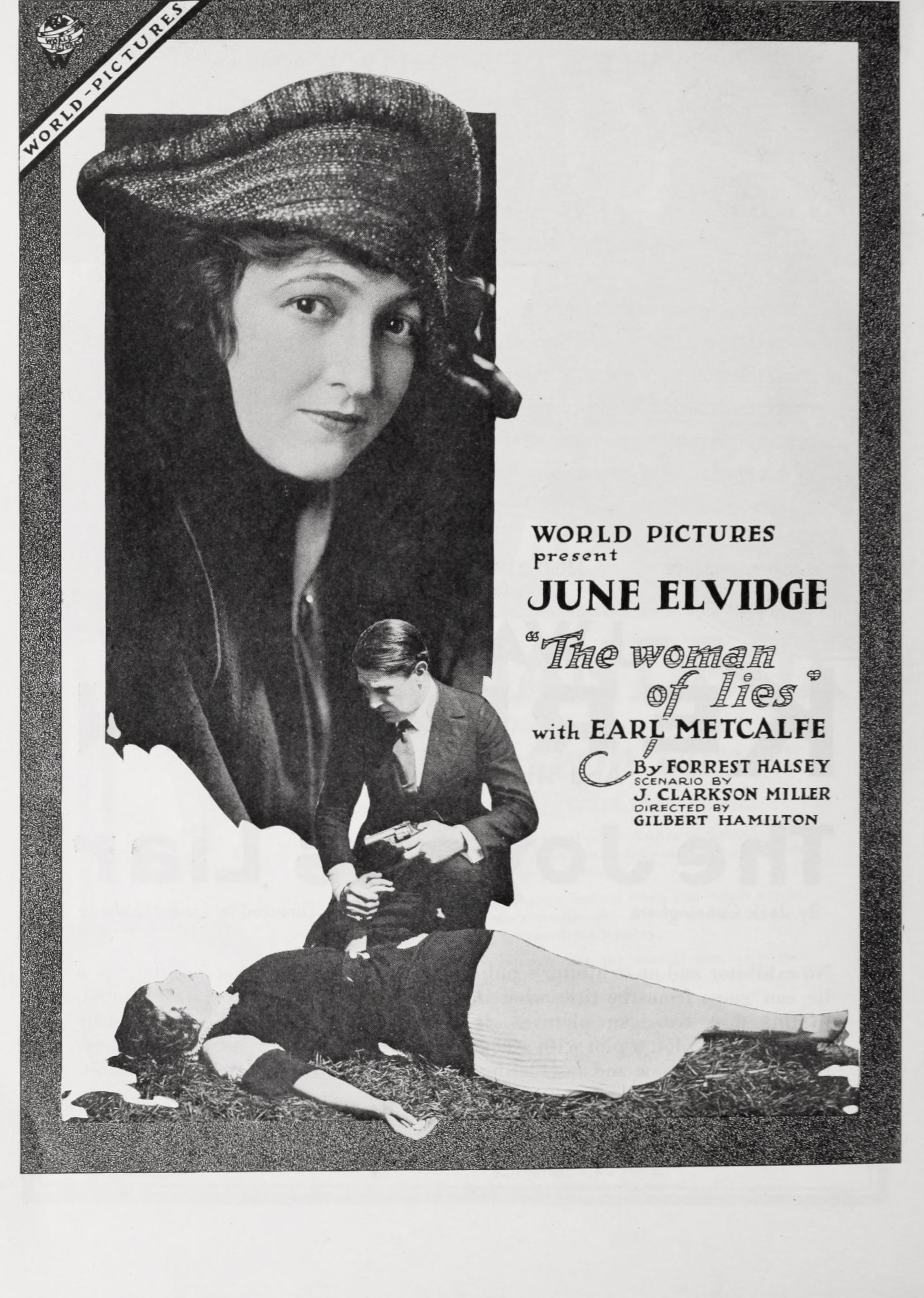
Comparing the cinematic DNA and archive impact of two defining moments in cult history.
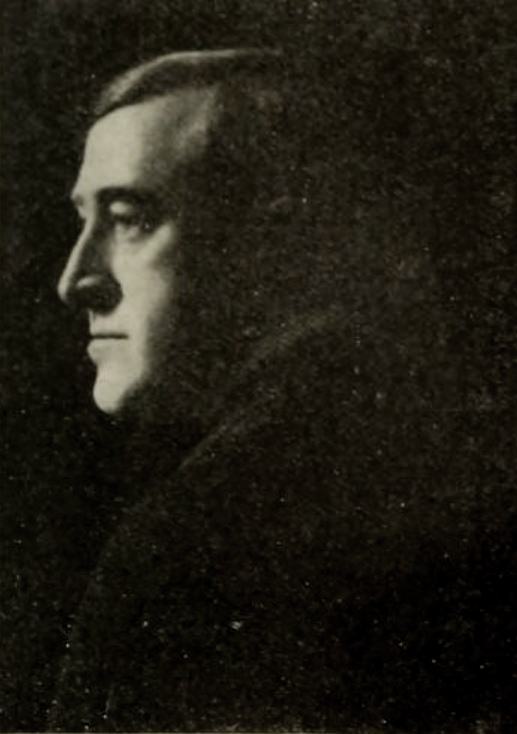
William Parke
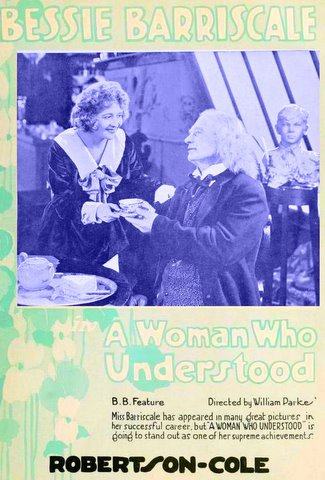
William Parke
Community
Log in to comment.
" Beam’s boarding house creaks like a violin that refuses to stay in tune; every tenant is a sour note she bends toward harmony. Shot through with sodium flares and carbon-arc shadows, The Streets of Illusion arrives as a 1923 orphan newly adopted by 4K restoration, its nitrate bruises cauterized into something phosphorescent. Andrew Soutar and Philip Bartholomae—scribbling scenarios between gin rummy hands—eschew melodrama’s corset for something looser, almost Fauvist: emotional brushstrokes tha..."