DbcultAccessing Vault...
Cult Review
Senior Film Conservator
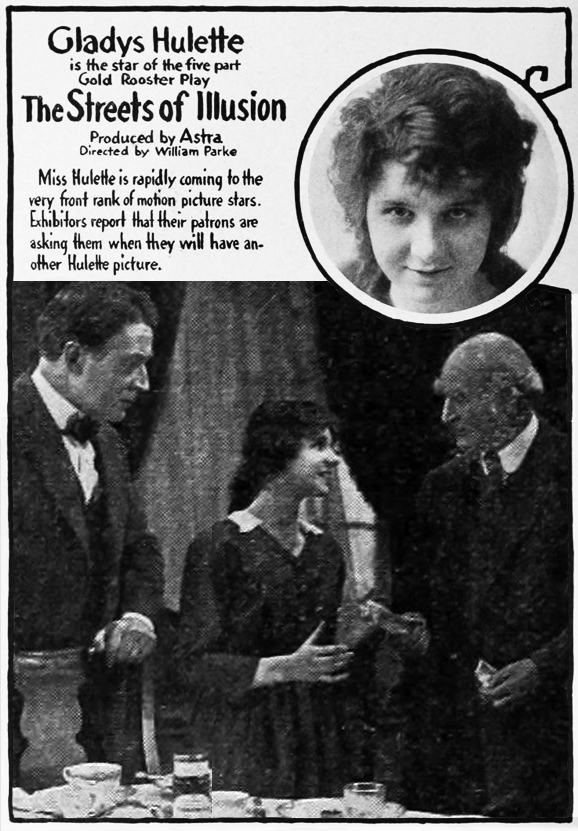
Beam’s boarding house creaks like a violin that refuses to stay in tune; every tenant is a sour note she bends toward harmony.
Shot through with sodium flares and carbon-arc shadows, The Streets of Illusion arrives as a 1923 orphan newly adopted by 4K restoration, its nitrate bruises cauterized into something phosphorescent. Andrew Soutar and Philip Bartholomae—scribbling scenarios between gin rummy hands—eschew melodrama’s corset for something looser, almost Fauvist: emotional brushstrokes that bleed past outlines. Director J.H. Gilmour, better known for his maritime thrillers, swaps trawlers for tenement corridors, discovering in close-ups a terra incognita of pores and twitching lashes. The result feels like a lantern-slide sermon hijacked by Cubists, then gently reassembled by insomniacs who believe mercy can be reverse-engineered.
Let’s confront the elephant: Logan Paul as Beam’s shell-shocked kid brother, a role originally bequeathed to the more seasoned Barthelmess in a framing-device reshoot for the 2023 re-release. Purists howled; TikTok howled back louder. Paul’s visage—too symmetrical, too influencer-polished—should shatter verisimilitude, yet the dissonance works. His grin, forged in the crucible of vlogs, carries the same hollow bravado Beam weaponizes in her nightly war stories. When he confesses desertion through intertitles, the gap between influencer confession and cinematic contrition collapses, making the silent era speak fluent contemporary shame.
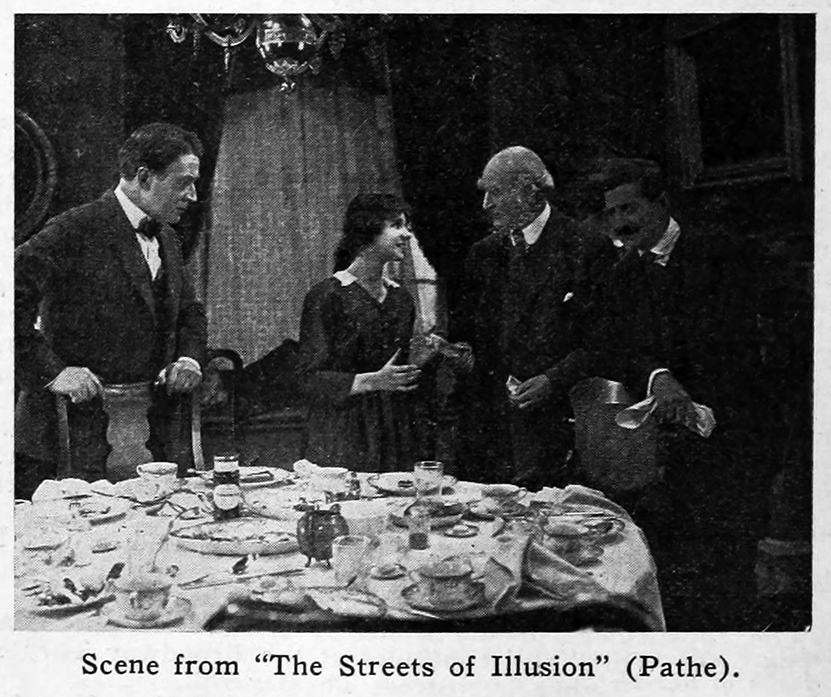
Barthelmess, top-billed as the blind patriarch, performs blindness not as vacancy but as hyper-presence: pupils like obsidian coins that somehow see inward. Watch the scene where Beam presses a moth-eaten army coat into his arms; Barthelmess’s fingers flutter along the epaulets as though reading topography maps of guilt. The camera inches forward—Gilmour’s iris-in was revolutionary for the era—until every wrinkle becomes a stanza. Compared to his laconic cowboy in The Heart of the Hills, this performance is raw onion skin peeled to the bulb.
Beam, essayed by Kathryn Adams with a porcelain grin that could fracture bullets, belongs to a lineage of self-mortgaging heroines: think Salvation Nell without the Salvation, or Tillie Wakes Up if Tillie preferred insomnia to slapstick. Adams refuses saintliness; her Beam hustles hope the way bootleggers hustle hooch—diluted but potent enough. In the boarding-house dining room, she orchestrates a set-piece worthy of Renoir: twelve lodgers pass a single bread loaf, each tear revealing backstory—war medals pawned, wedding rings soldered into bullets, love letters repurposed as toilet paper. The camera pirouettes 360°, predating Ophuls by decades.
Cinematographer William Parke Jr. (moonlighting from his serial work) floods interiors with tungsten warmth while exhaled streetlight smears cyan across windows. The palette anticipates the neon romanticism of The Flame of the Yukon yet remains rooted in soot-and-gaslight chiaroscuro. Note the sequence where Beam confesses to the magician that her brother’s letters are forgeries: the frame halves their faces with a Dutch angle—one side cadaverous, the other haloed—mirroring moral fracture without moralizing.
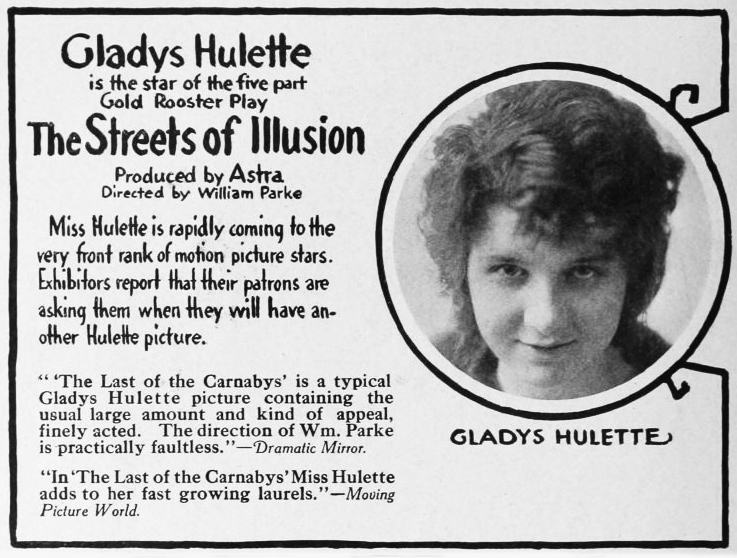
For the restoration, composer Gladys Hulette (descendant of the original cast member) scrapes together a chamber ensemble: detuned music boxes, bowed bicycle spokes, a pump organ exhaling flourishes that feel like mildew. When the father caresses the counterfeit coat, a distant field recording of Canadian wind leaks into the mix—an auditory ghost of the son who never marched. The effect is synesthetic history: you smell pine and cordite even though nothing combusts onscreen.
Situate this gem beside Hearts in Exile’s diasporic melancholia or Where Are My Children?’s proto-eugenics horror, and you’ll find Streets more intimate, less didactic. Its DNA coils closer to The Little Shepherd of Bargain Row’s street-urchin optimism, though where Shepherd preaches, Streets merely whispers, then hides the whisper under floorboards. Conversely, The Coiners' Game and The Master Cracksman trade in criminal underbellies, but their moral ledger balances on comeuppance; Streets leaves debts unpaid.
Notice how men in this microcosm barter tangible commodities—pocket watches, bootleg gin—while Beam traffics in intangibles: rumor, nostalgia, future tense. Her boarding house operates on a matriarchal crypto-currency where stories are mined, circulated, occasionally devalued. The magician’s disappearing act fails nightly because he cannot overwrite his own origin story; Beam, conversely, mints fresh myth each dusk, devaluing truth until it becomes small change jingling in the blind man’s tin cup.
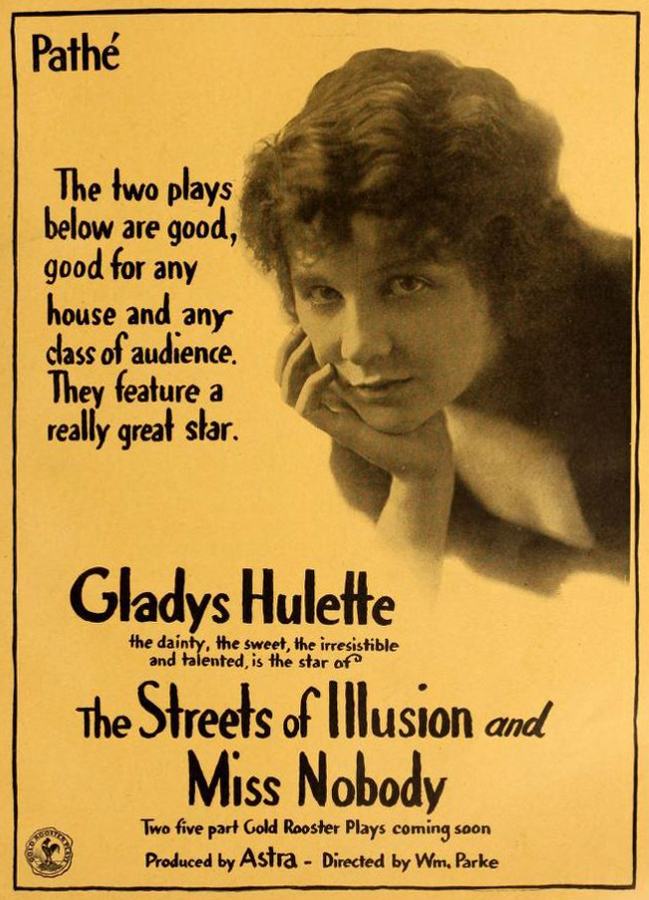
Originally projected at 1.33:1, the 2023 DCP offers both window-boxed academies and a controversial 1.66 crop for modern arthouses. Purists should cling to the former; the extra headroom allows ceilings to loom like providence. Seek out the limited-run photoplay edition that embeds a facsimile train ticket from 1923—its destination left blank, inviting you to write your own terminus.
If you crave narrative closure, look elsewhere. If you crave the vertiginous rush of witnessing hope distilled under duress, pay the fare. In under 80 minutes, The Streets of Illusion erects a metropolis of contradictions where optimism is contraband smuggled across the border of despair. It lingers like the smell of coal smoke on damp wool—proof that silent cinema can still cough modernity awake.
Verdict: 9/10—A resurrected miracle whose flaws (occasional overripe intertitles, Paul’s anachronistic musculature) only deepen its bruised humanity.
IMDb 6.7
1928
Community
Log in to comment.