Summary
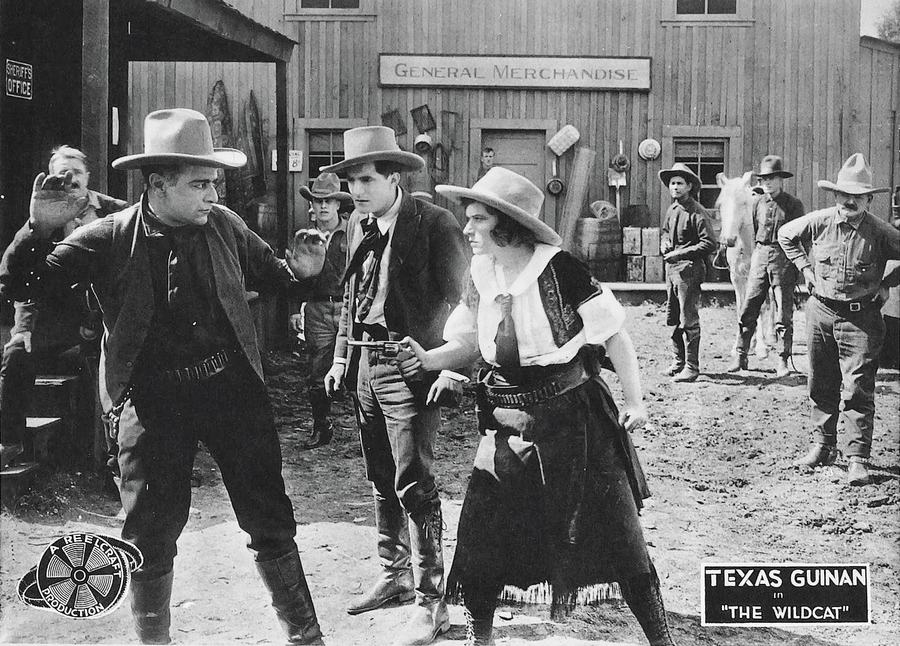
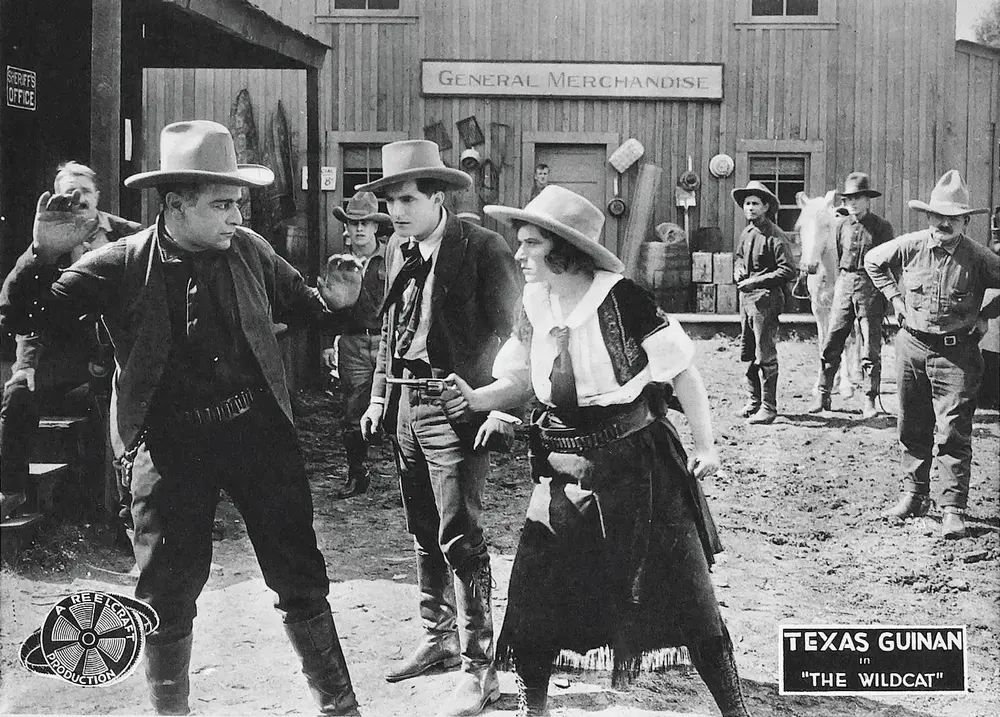
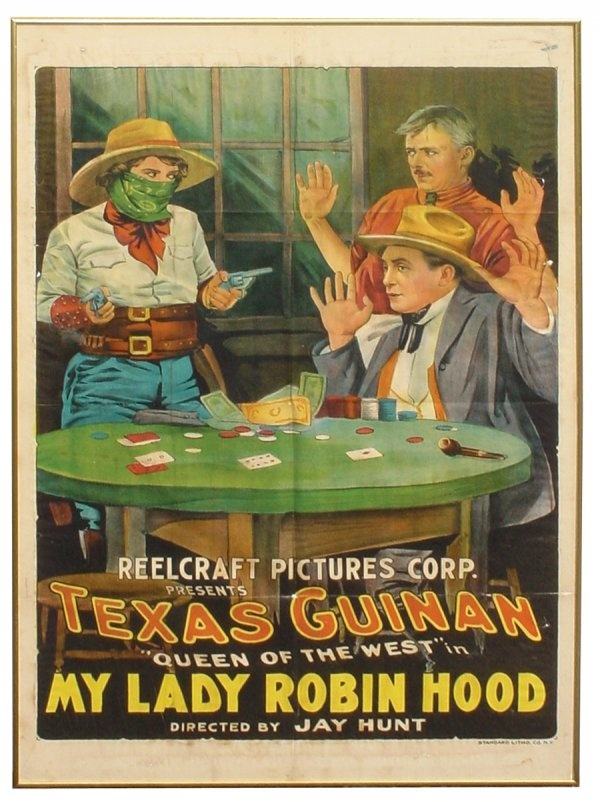
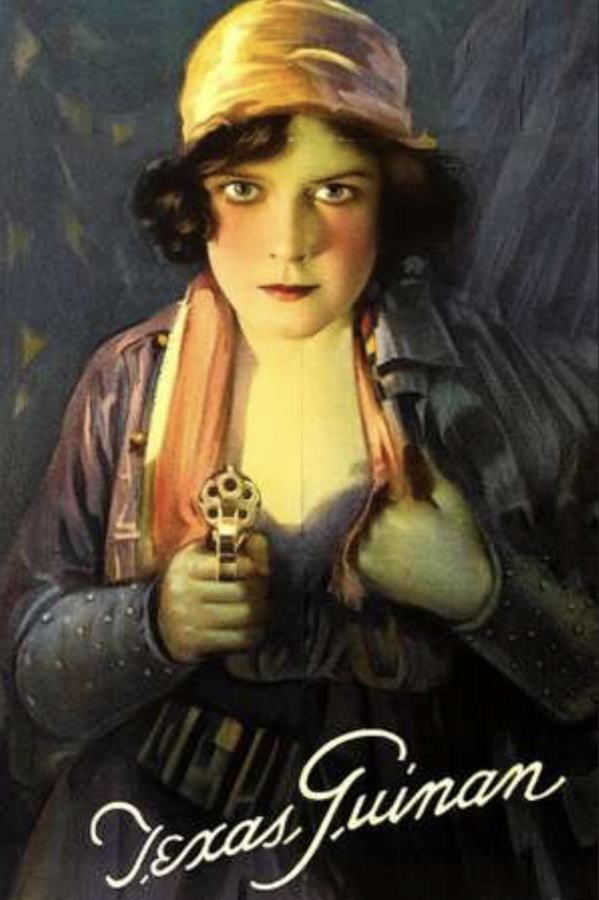
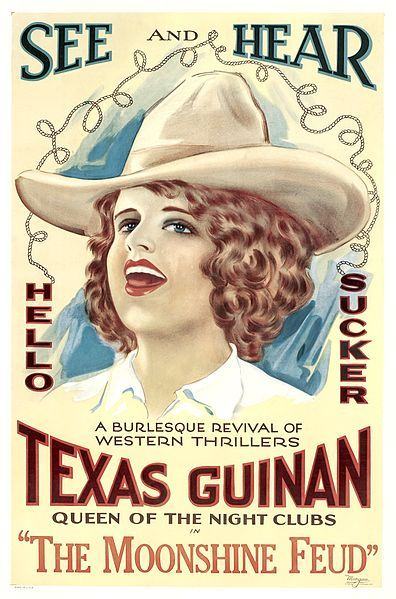
In a frontier saloon where sawdust drinks blood and piano chords hang like nooses, Texas Guinan’s nameless firebrand—equal parts Venus and vulture—saunters through cigar-smoke cataracts to claim a mining town that has never seen a woman own anything but grief. Pat Hartigan’s weather-worn marshal, his badge dulled to the color of regret, arrives chasing a phantom payroll robbery but instead finds himself shackled to her gravitational pull; every glare she fires at him ricochets, rewriting his moral compass in molten lead. Between whiskey baptisms and poker-table psalms, the film stitches a hallucinatory tapestry: a blind prophetess dealing tarot from a deck of wanted posters, a child waltzing with a bear under gaslight, a thunderstorm that bleeds rust down the clapboard façades as if the sky itself were being mined. The narrative refuses linearity; it spirals, loops, detonates—time folds like a crooked gambler’s deck—so that each bullet fired echoes earlier laughter, each kiss tastes of dirt freshly dug for graves. By the time the titular wildcat—an ocelot rumored to carry the souls of hanged men—leaps across the screen, the animal is no mere beast but the living emblem of every appetite the town has tried to bury. Guinan’s anti-heroine, astride the beast, gallops into a cobalt dusk that swallows both pursuer and pursued, leaving only the echo of spurs and the faint smell of gardenias that never grew within a thousand miles.
Review Excerpt
"
There is a moment, roughly seventeen minutes in, when the camera tilts up from a bullet hole through a playing card—queen of hearts, naturally—and catches Texas Guinan’s gaze reflected in a cracked mirror framed by kerosene flames. The splice is so abrupt you feel the sprockets bite. In that instant, cinema’s first genuine female anti-myth is born: neither damsel nor dominatrix, but a gravitational anomaly around which machismo helplessly orbits.
Director unknown—some swear The Reapers’ John C..."