DbcultAccessing Vault...
5.6/10
Senior Film Conservator
A definitive 5.6/10 rating for a film that redefined the boundaries of cult cinema. Wedding Bells remains a cornerstone of transgressive art.
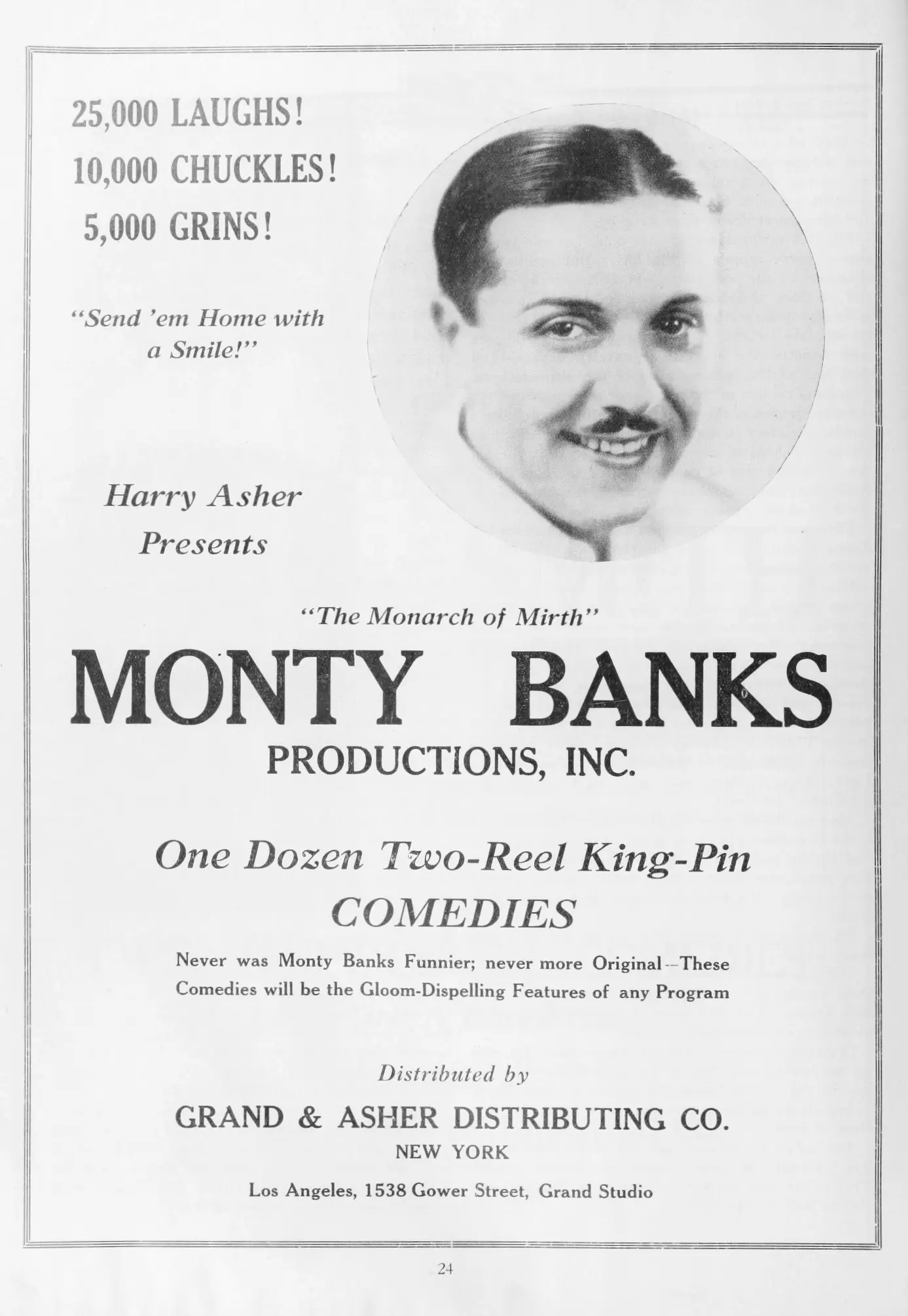
From the opening scenes, 'Wedding Bells' captivates with its nuanced portrayal of a man, William, who is set to wed a woman, Ena, but finds himself torn between duty and desire. The film expertly captures the internal struggle of its protagonist, played by William Blaisdell, as he grapples with the constraints of social expectations and his own turbulent emotions. Blaisdell's performance is a masterclass in subtlety, conveying a range of emotions from earnest devotion to seething anger with a mere glance or a pause in dialogue. His chemistry with Monty Banks, who portrays Ena's brother, is palpable, adding layers of tension and vulnerability to the narrative.
Ena Gregory and Louise Carver, as the titular character and her sister, respectively, bring a depth to their roles that elevates the film's emotional core. Their interactions with Blaisdell are both tender and fraught, hinting at a past that complicates their present relationship. The script, penned by the unnamed writers, weaves together elements of psychological drama and social commentary, making 'Wedding Bells' more than just a love story. It becomes a meditation on the ways in which society's rigid structures can both bind and liberate individuals.
The cinematography is a standout feature, capturing the small-town setting with a visual palette that alternates between the starkness of a wedding altar and the lush, hidden corners of a family home. The use of natural light and shadows adds depth to the scenes, enhancing the emotional resonance of each moment. The costume design, reminiscent of the early 1920s, is another highlight, with each garment reflecting the character's emotional state and social standing.
One of the most striking aspects of 'Wedding Bells' is its ability to provoke thought. The film challenges the audience to consider the consequences of adhering to societal norms versus pursuing one's personal truth. Through a series of engaging plot twists, the narrative keeps viewers on edge, eager to uncover the true nature of the relationships and the motivations behind the actions. The film's exploration of themes such as love, duty, and personal freedom resonates deeply, making it a timeless piece of cinema.
When compared to films like 'El amor que huye' or 'The Wild Woman', 'Wedding Bells' stands out for its more nuanced approach to character psychology and its sophisticated handling of social themes. While 'El amor que huye' focuses more on the external conflicts between characters, 'Wedding Bells' delves into the internal turmoil that drives the narrative. Similarly, 'The Wild Woman' offers a more raw, unfiltered portrayal of primal desires, whereas 'Wedding Bells' balances those impulses with a more restrained, contemplative approach.
The film's pacing is deliberate, allowing the audience to fully immerse themselves in the world it creates. The tension builds slowly but steadily, culminating in a powerful climax that leaves a lasting impact. The score, though not explicitly mentioned, adds an aura of melancholy and anticipation, further enhancing the emotional journey of the characters.
While 'Wedding Bells' is undoubtedly a product of its time, its themes and emotional resonance are universal. The film invites viewers to reflect on the personal sacrifices we make in the name of societal approval and the importance of finding one's own truth. It is a testament to the enduring power of cinema to explore the complexities of the human condition.
In conclusion, 'Wedding Bells' is a remarkable piece of early silent cinema, rich in emotional depth and thematic complexity. It is a film that not only entertains but also challenges and invites introspection. Whether viewed as a historical artifact or a contemporary piece of art, 'Wedding Bells' remains a compelling and thought-provoking work of film.
IMDb 5.1
1930
Community
Log in to comment.