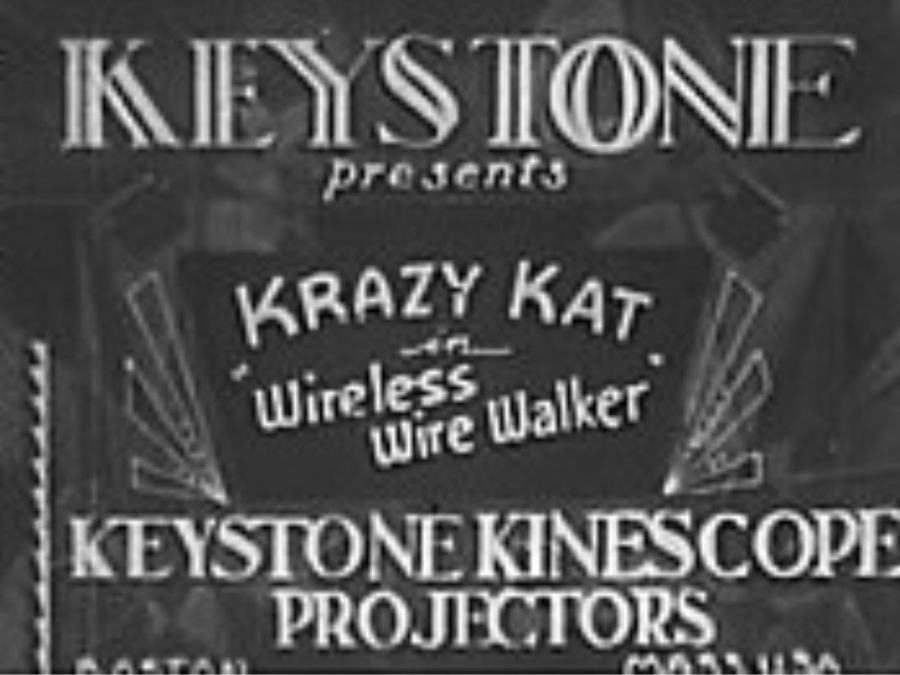
body {background-color: #000000; color: #FFFFFF; font-family: 'Georgia', serif; line-height: 1.6;}.highlight-orange {color: #C2410C;}.highlight-yellow {color: #EAB308;}.highlight-blue {color: #0E7490;}.section-title {font-size: 1.4em; margin-top: 2em; font-weight: bold;}A Symphony of Static and StasisThe Wireless Wire-...
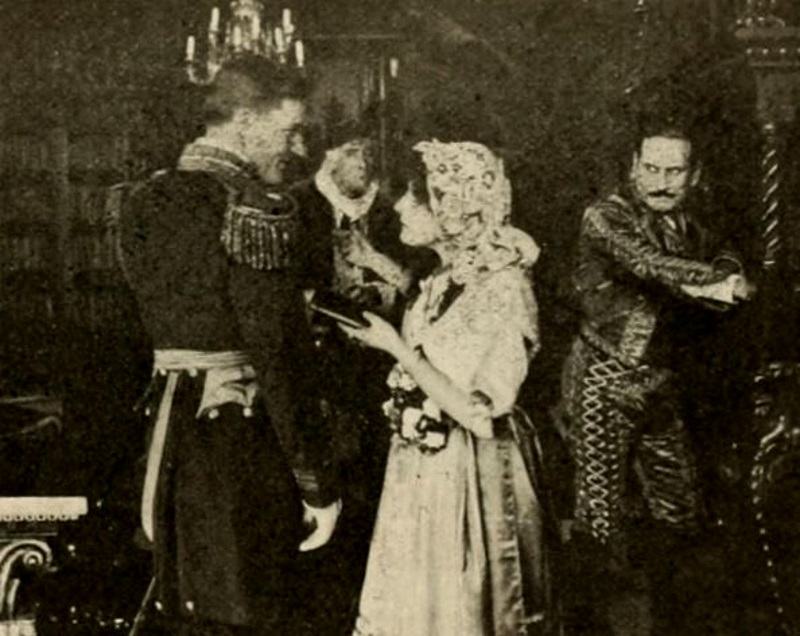
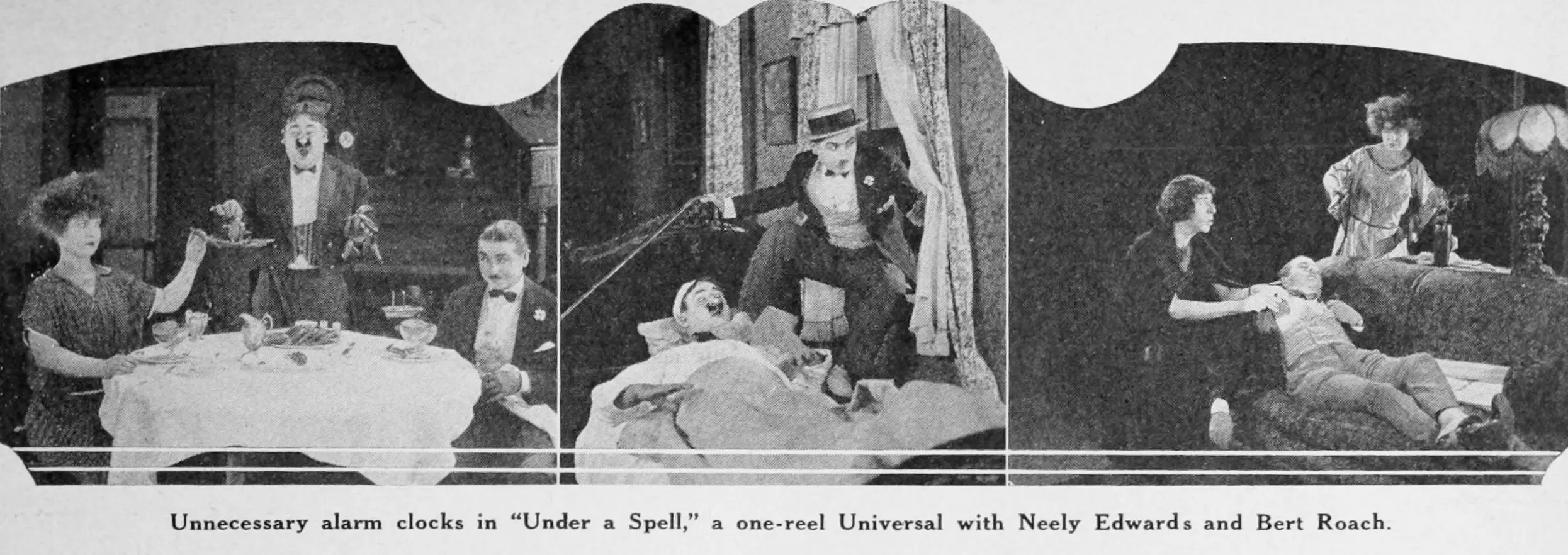
Comparing the cinematic DNA and archive impact of two defining moments in cult history.
Vernon Stallings
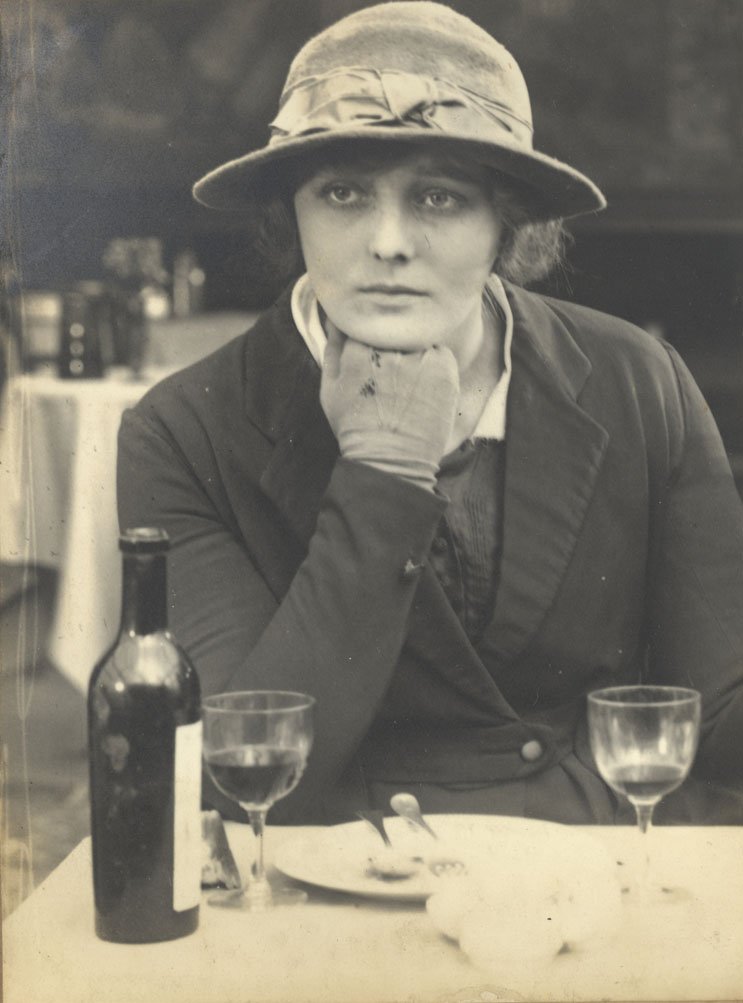
Henry Edwards
Community
Log in to comment.
"body {background-color: #000000; color: #FFFFFF; font-family: 'Georgia', serif; line-height: 1.6;}.highlight-orange {color: #C2410C;}.highlight-yellow {color: #EAB308;}.highlight-blue {color: #0E7490;}.section-title {font-size: 1.4em; margin-top: 2em; font-weight: bold;}A Symphony of Static and StasisThe Wireless Wire-Walkers, George Herriman’s 1925 silent film, is a paradoxical work: it thrums with the kinetic energy of early cinema yet arrests viewers with its meditative pauses. From the openi..."
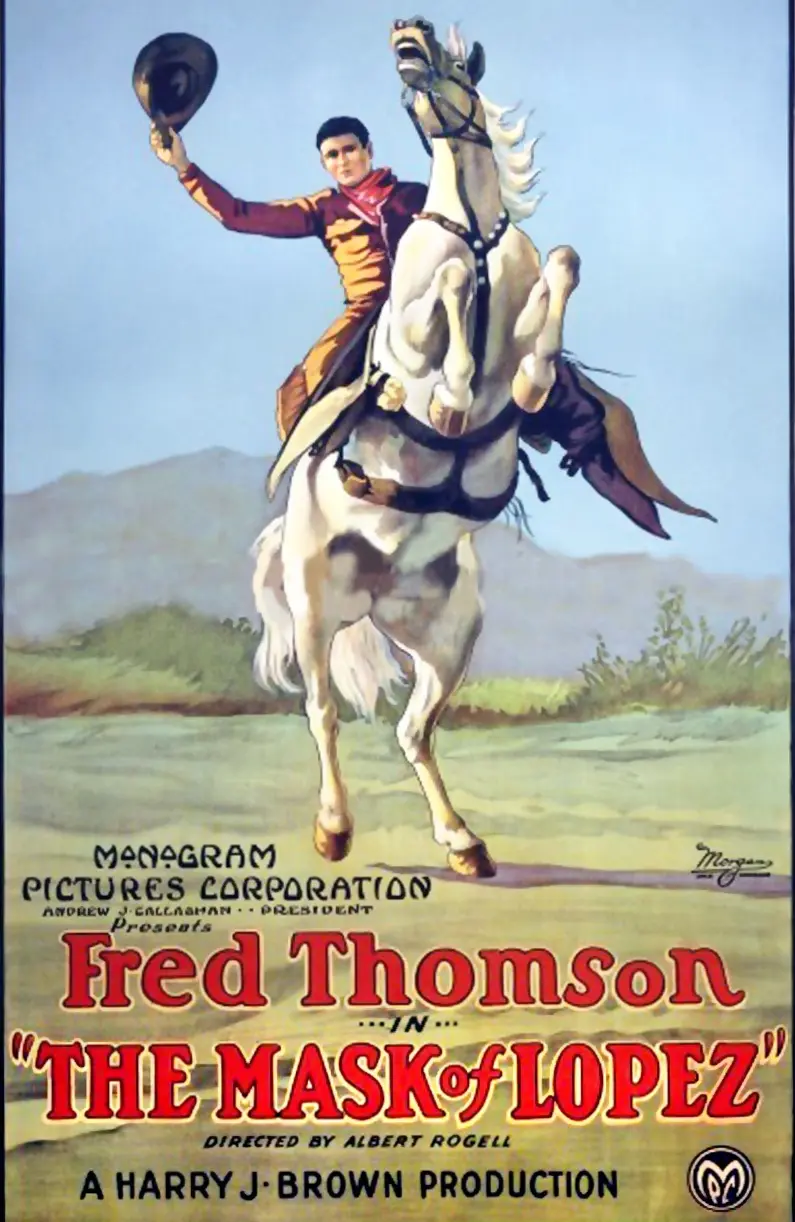
Deep dive into the cult classic
Discover similar cinematic experiences
A Directorial Spotlight on Vernon Stallings