DbcultAccessing Vault...
Cult Review
Senior Film Conservator
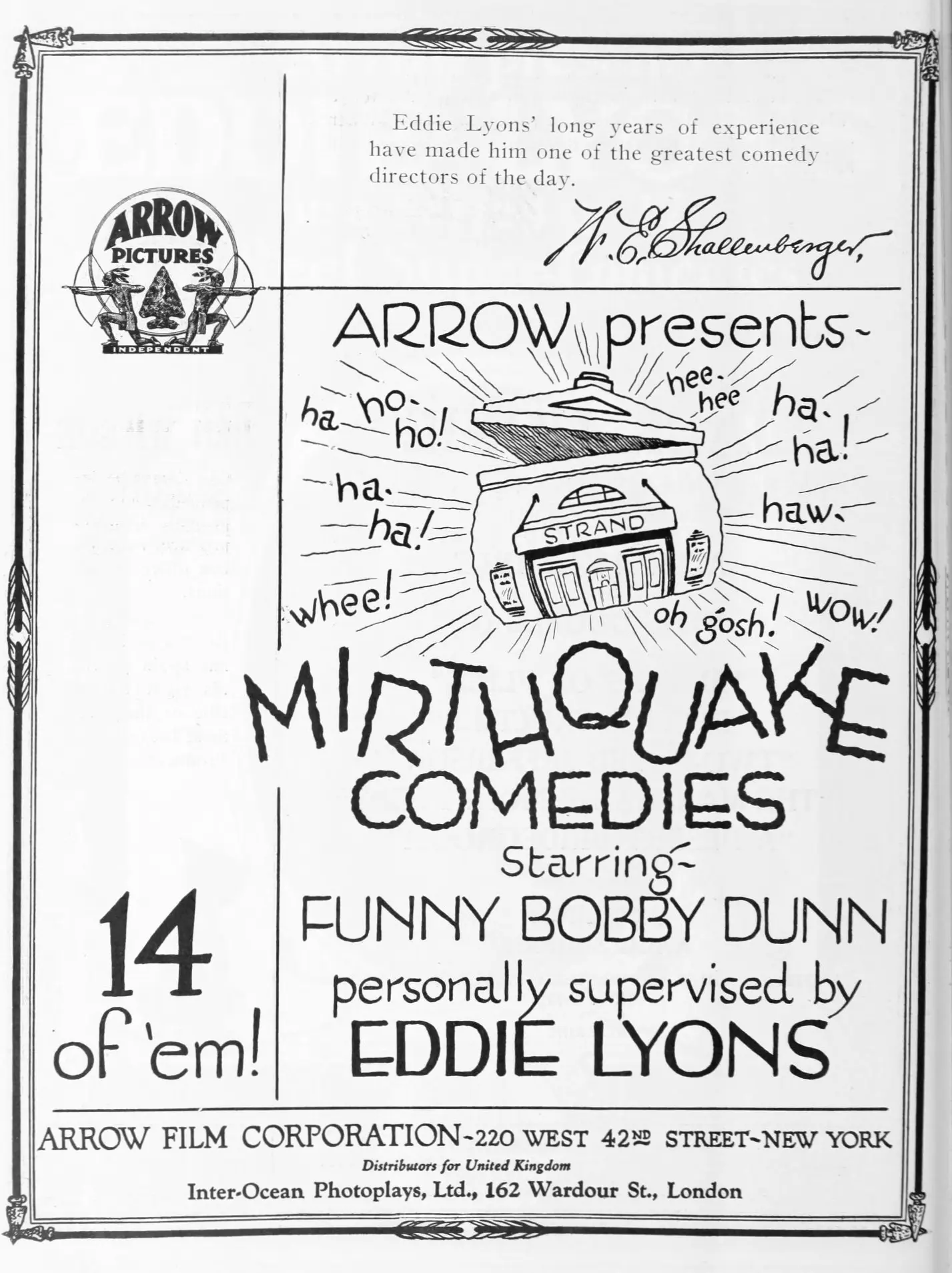
All Is Lost unfolds like a modern morality play, its narrative spine composed of petty economics, familial obstinacy, and a protagonist whose desperation borders on the theatrical. Bobby Dunn, portrayed with a weary charm, is thrust into a labyrinthine quest for matrimony that begins with a simple, albeit absurd, financial demand: ten dollars. The mother‑in‑law’s insistence on this token sum is less about wealth than about control, a motif that reverberates throughout the film.
When Bobby’s meagre two dollars are deemed insufficient, the story pivots from romantic comedy to a bleak meditation on agency. His subsequent departure, punctuated by a frantic telephone call that reverses the mother’s stance, sets the stage for the central conflict: time versus fate. The roughneck, a hulking figure of brute force, becomes the physical embodiment of the societal barriers Bobby cannot surmount.
At its core, All Is Lost interrogates the absurdity of transactional love. The dowry, a relic of archaic customs, is wielded as a narrative device to critique how love is often commodified. The film also explores the notion of fatalism; Bobby’s attempts to engineer his own death are repeatedly thwarted, suggesting an unseen hand that protects even the most hopeless souls.
The arrival of the bride’s brother from Montana introduces a contrasting worldview—one rooted in rugged individualism and the promise of a pastoral sanctuary. His intention to whisk his sister away to a ranch underscores a tension between urban desperation and rural escape, a dichotomy echoed in the film’s visual palette, where shadows of the city clash with the open‑air blues of the countryside.
Bobby Dunn (played by the eponymous Bobby Dunn) delivers a performance that oscillates between slapstick resignation and genuine pathos. His eyes convey a weary resignation that words cannot capture, while his physical comedy—especially in the frantic sprint to the church—elicits both laughter and sympathy. The roughneck, portrayed by Glen Cavender, is a study in stoic menace; his minimal dialogue and towering presence render him a silent antagonist whose every movement feels weighted with intent.
The bride, though scarcely named, commands the screen with a fierce protectiveness that defies her initial portrayal as a passive participant. Her decision to intervene at the moment of Bobby’s execution is a turning point that redefines her agency, shifting the narrative from a male‑centric tragedy to a shared, if uneasy, partnership.
The director employs a chiaroscuro aesthetic, bathing scenes in deep blacks punctuated by splashes of dark orange (#C2410C) and sea blue (#0E7490). This color scheme not only reflects the film’s tonal duality—dark humor against moments of hopeful blue—but also serves as a visual metaphor for Bobby’s oscillating fortunes. The use of stark lighting accentuates the claustrophobic interiors of the mother’s house, while the exterior shots, washed in sea blue, hint at the elusive freedom Bobby seeks.
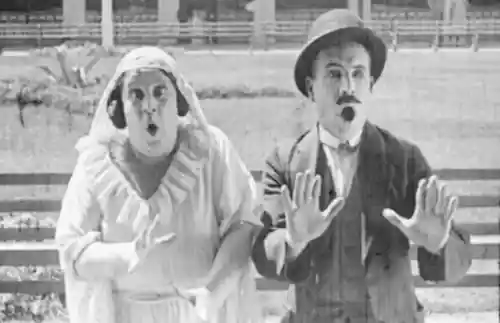
Cinematographer’s choice of tight close‑ups during Bobby’s moments of despair amplifies the intimacy of his internal struggle, whereas wide shots of the ranch landscape, when the brother appears, provide a breath of visual relief, underscoring the thematic contrast between confinement and open possibility.
The film’s pacing is deliberately uneven, mirroring Bobby’s erratic journey. Early scenes linger on the petty negotiation over ten dollars, establishing a rhythm of mundane tension. The sudden acceleration during the chase to the church injects kinetic energy, only to be abruptly halted by the roughneck’s interference. This ebb and flow keep the audience perpetually off‑balance, a technique reminiscent of the narrative disorientation found in The Face in the Fog.
The climax, where the bride steps between Bobby and his assassin, is staged with a theatrical flourish that feels both inevitable and subversive. The brother’s opportunistic suggestion to marry the roughneck instead of Bobby adds a layer of irony, turning the expected resolution on its head and reinforcing the film’s commentary on utilitarian relationships.
When placed alongside other off‑beat romances such as Naked Hearts or the satirical The Salvation Army on the Job, All Is Lost distinguishes itself through its relentless focus on economic absurdity as a catalyst for emotional catastrophe. Unlike the more whimsical tone of Daniel Boone, this film leans into a darker palette, both visually and thematically, positioning it closer to the tragicomic vein of Pop Tuttle's Lost Nerve.
The score, a minimalist blend of low‑frequency drones and intermittent piano motifs, underscores Bobby’s internal turbulence. Moments of silence are employed strategically, allowing the audience to sit with Bobby’s despair before the sudden burst of orchestration that accompanies the chase sequence. This auditory restraint mirrors the film’s visual restraint, reinforcing the thematic austerity.
All Is Lost taps into contemporary anxieties surrounding financial precarity and the commodification of love. Its portrayal of a dowry—albeit a symbolic ten dollars—resonates with modern viewers who grapple with the cost of commitment in an era of gig economies and inflated living expenses. Critics have praised the film’s willingness to confront these issues without resorting to melodrama, instead opting for a dry, almost nihilistic humor that invites reflection.
All Is Lost is a daring, genre‑bending piece that refuses to provide easy answers. Its blend of dark comedy, tragic romance, and social critique creates a tapestry that is as unsettling as it is compelling. Bobby Dunn’s journey—punctuated by missed chances, absurd demands, and a final, ambiguous search for self‑destruction—serves as a cautionary tale about the perils of allowing external expectations to dictate personal destiny.
For viewers seeking a film that challenges conventional romantic narratives while delivering a potent visual style, All Is Lost offers a richly layered experience. Its relentless focus on the absurdities of transactional love, combined with strong performances and a striking color scheme, ensures its place in the pantheon of modern dark comedies.
IMDb 6.9
1917
Community
Log in to comment.