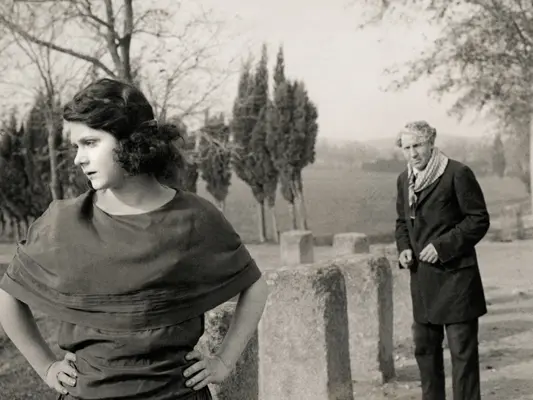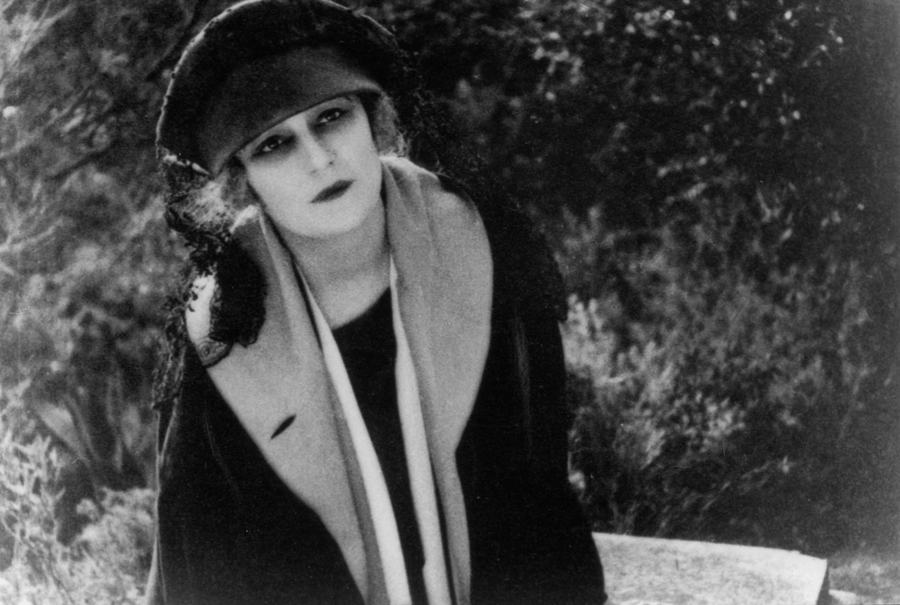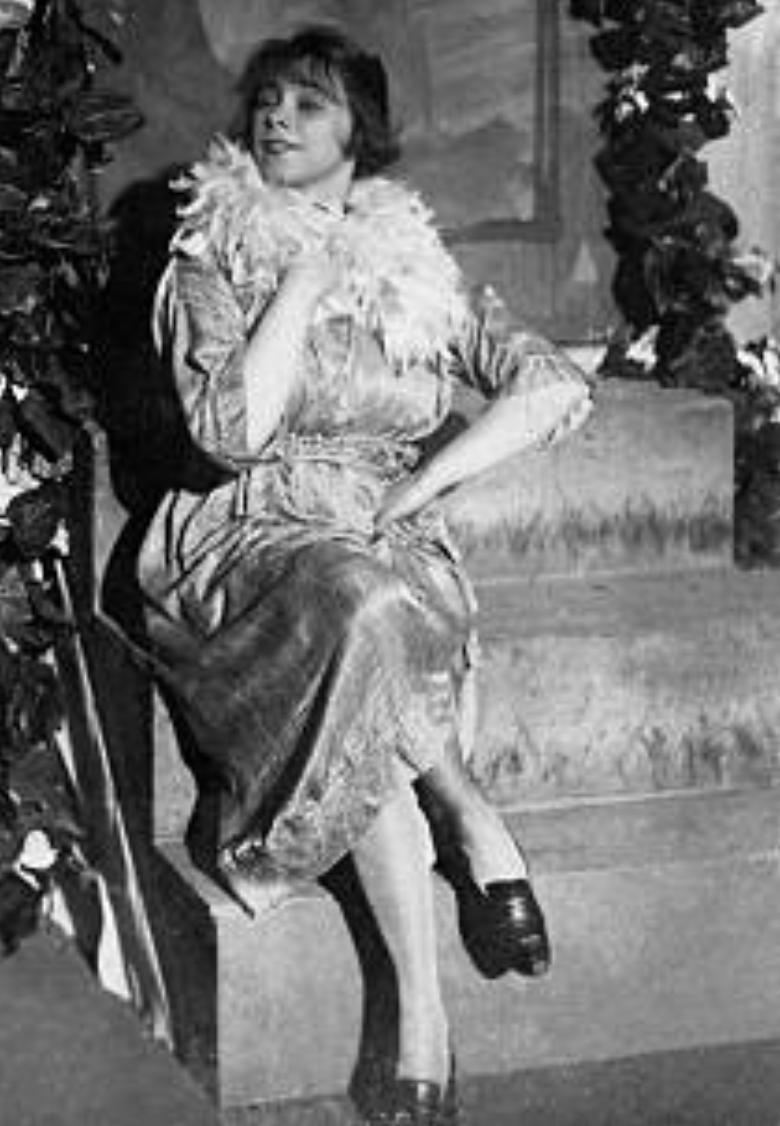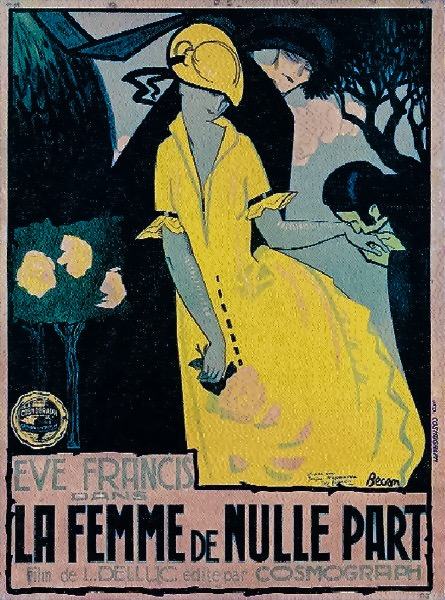
A woman appears at the house where she used to live a long time ago. The new inhabitants, a married couple with a toddler, welcome her to stay for the night.
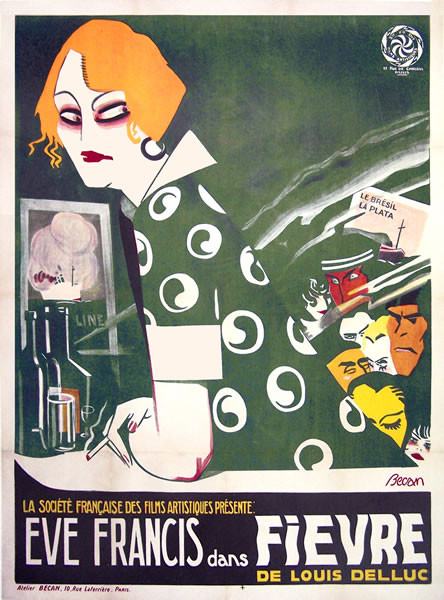
Louis Delluc’s The Woman from Nowhere is less a story than a fever you catch in the lobby, an ozone tang that clings to coat linings long after the houselights rise. Shot on rain-smeared orthochromatic stock that turns skin into marble and shadows into inkwells, the film premiered in October 1922 at the Studio des Ur...
![La Femme de nulle part (1922) - Louis Delluc [Extrait]](https://img.youtube.com/vi/AuwqTjrIsVI/hqdefault.jpg)

Comparing the cinematic DNA and archive impact of two defining moments in cult history.
Louis Delluc

Robert N. Bradbury
Community
Log in to comment.
" Louis Delluc’s The Woman from Nowhere is less a story than a fever you catch in the lobby, an ozone tang that clings to coat linings long after the houselights rise. Shot on rain-smeared orthochromatic stock that turns skin into marble and shadows into inkwells, the film premiered in October 1922 at the Studio des Ursulines, then vanished into bureaucratic bonfires—partly because distributors feared its refusal to moralise, partly because the state, still licking Verdun wounds, disliked art th..."
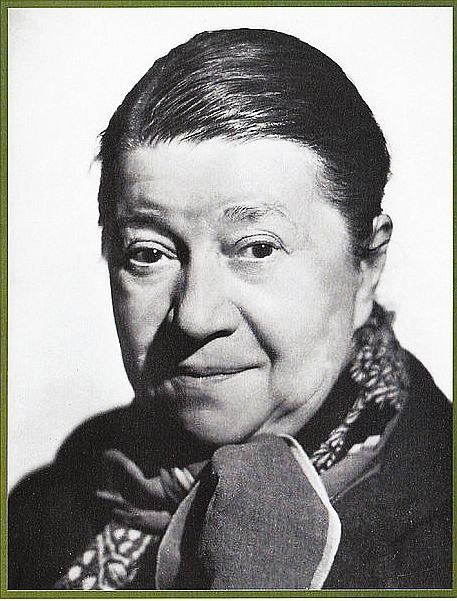
Marie Kougolsky
Louis Delluc
France
Drama
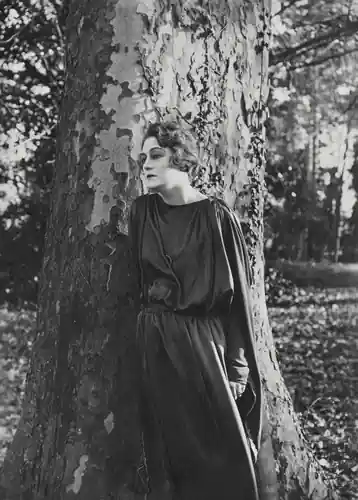
publicity
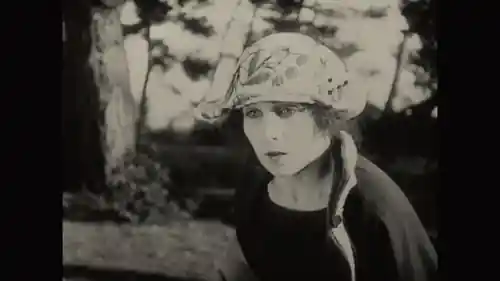
still_frame
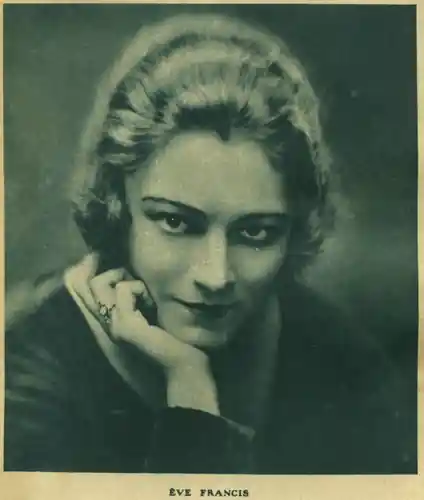
production_art
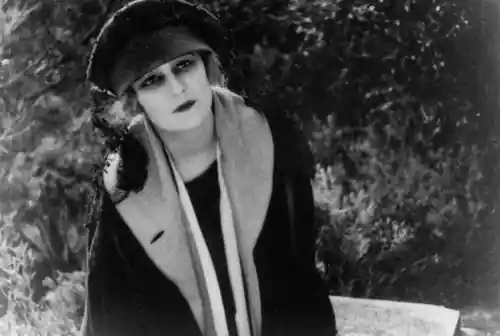
still_frame
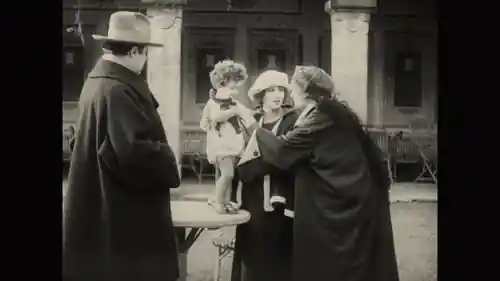
still_frame
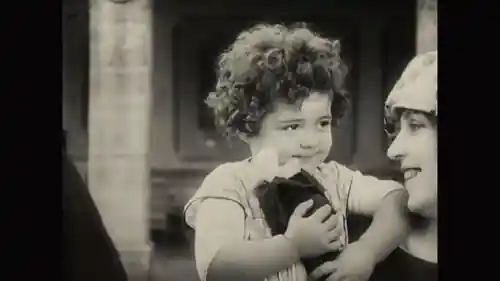
still_frame

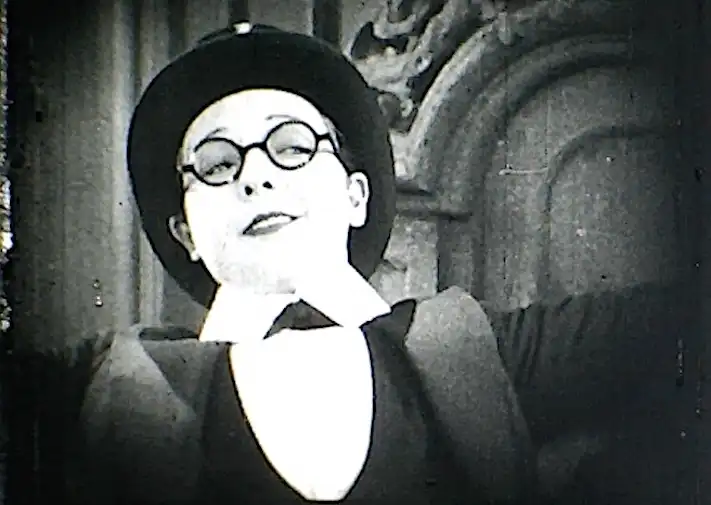
Deep dive into the cult classic
Discover similar cinematic experiences
A Directorial Spotlight on Louis Delluc