Summary
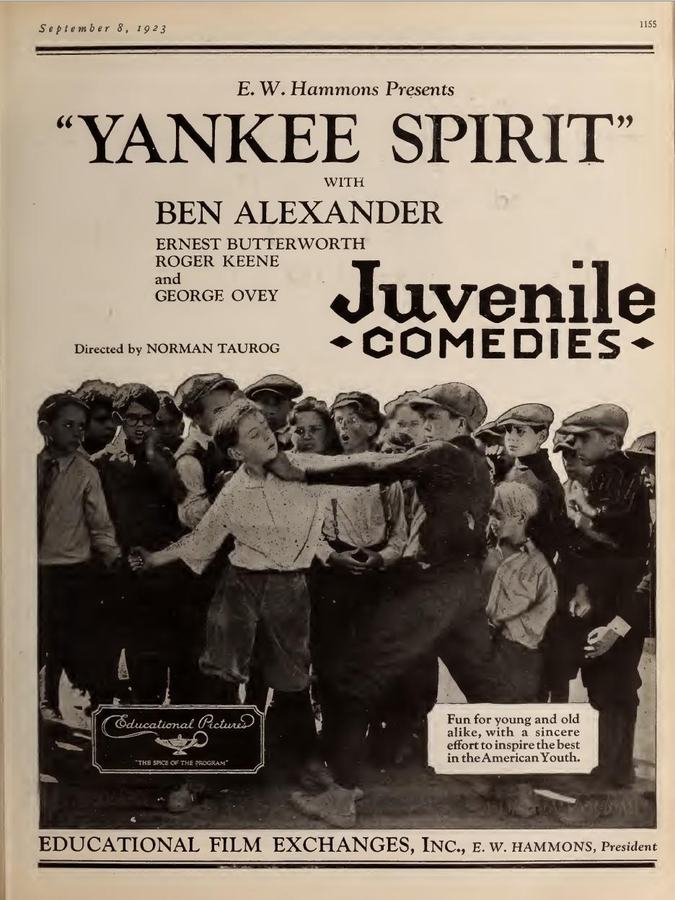
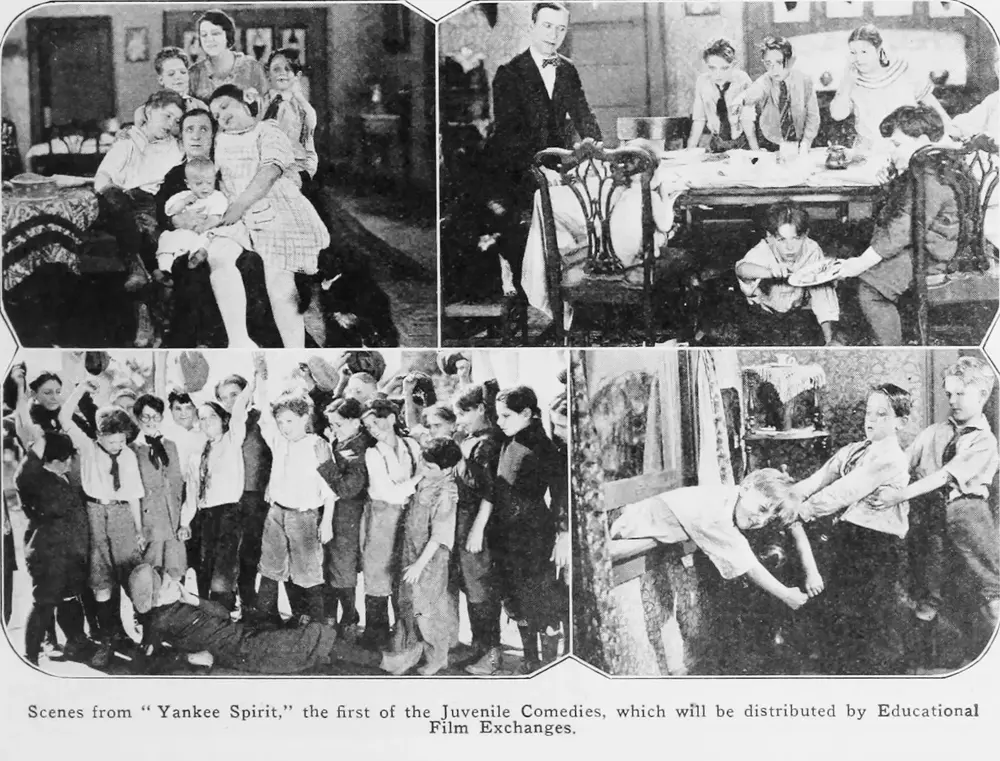
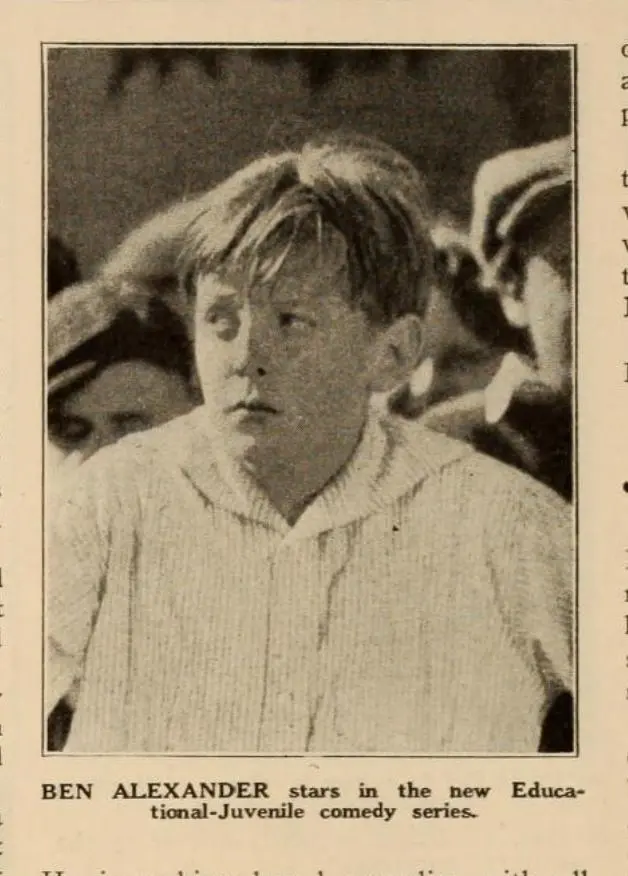
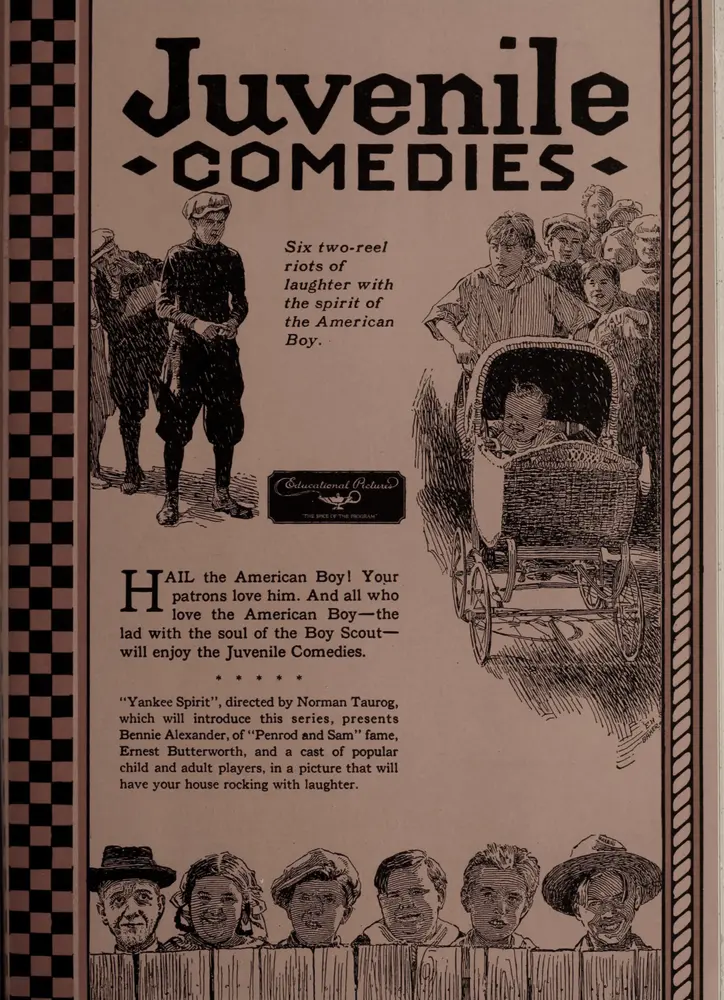
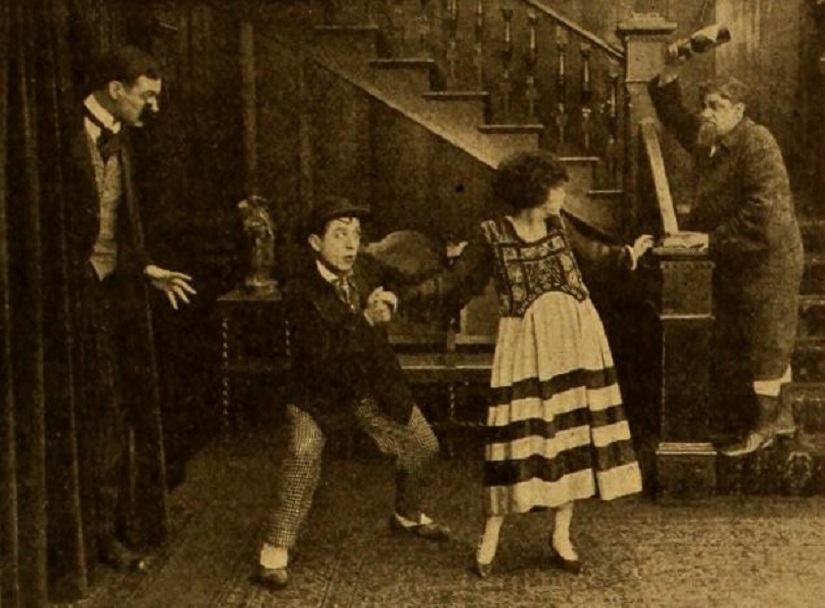
In a narrative steeped in the bedrock of American exceptionalism and communal resolve, "The Yankee Spirit" unfurls as a compelling tableau of innovation battling rapacious greed. At its heart lies Earl Douglas's portrayal of a visionary, albeit often underestimated, inventor whose revolutionary agricultural apparatus promises to resurrect a New England township teetering on the precipice of economic ruin. His contraption, a marvel of rustic ingenuity designed to defy the unforgiving grip of winter on arable land, becomes the fulcrum upon which the community's very future pivots. Arrayed against this earnest endeavor is Ben Alexander's slick, urbanite speculator, a figure embodying the corrosive forces of unchecked capitalism, who schemes to acquire the distressed farmlands at a pittance, thereby dismantling the fabric of local life. Ella McKenzie, as the sagacious schoolteacher, emerges as a beacon of intellectual and moral fortitude, her unwavering belief in Douglas's mechanical genius and ethical compass serving as a crucial bulwark against encroaching despair. The film meticulously charts the systematic attempts at sabotage orchestrated by Alexander and his brutish enforcers, Otto and Victor Metzetti, which test the inventor's resilience and the town's collective spirit. Yet, through a series of harrowing setbacks—mechanical failures, an arsonist's blaze, and public skepticism—Douglas, fortified by McKenzie’s steadfastness and the burgeoning solidarity of loyal townsfolk like Jack McHugh and George Ovey, exemplifies an indomitable perseverance. The dramatic crescendo arrives with a public demonstration, a crucible where ingenuity confronts malevolence, ultimately affirming the power of collective will and the enduring vitality of the 'Yankee Spirit'—a testament to innovation, community, and the triumph of integrity over avarice.
Review Excerpt
"
Unearthing the Resilience: A Deep Dive into "The Yankee Spirit"
In the annals of early cinema, certain films, even those shrouded by the mists of time, resonate with a profound, almost mythic quality. "The Yankee Spirit" stands as a poignant testament to this phenomenon, a cinematic artifact that, despite its vintage, speaks volumes about enduring human virtues. This isn’t merely a historical curiosity; it’s a vibrant, emotionally charged narrative that masterfully captures th..."