DbcultAccessing Vault...
5.2/10
Senior Film Conservator
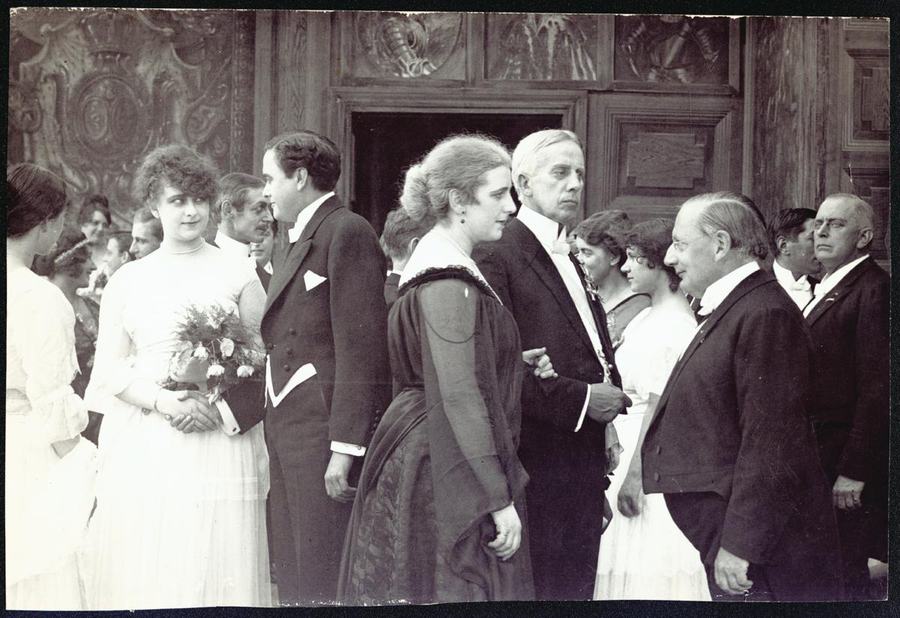
A definitive 5.2/10 rating for a film that redefined the boundaries of cult cinema. Slægternes Kamp remains a cornerstone of transgressive art.
The first time I watched Slægternes Kamp I forgot to breathe for so long my coffee went cold—an apt baptism for a film that treats human warmth as a currency too lavish to spend. Shot during the white nights of 1914, when Europe was busy rehearsing self-slaughter, this Danish fever-dream slipped into cinemas like a rune-stone hurled through a stained-glass window. Few prints survived the nitrate purges, so stumbling on the 2018 restoration felt like unearthing a glacier-preserved Viking: the hair, the nails, the myths intact.
Director Viggo Wiehe—also essaying the tubercular bard—builds his saga on three axes: land, blood, and tide. Each frame feels carved from basalt; fog chews the lens, yet every pebble and petticoat is etched with Calvinist clarity. The result sits somewhere between Das Tagebuch einer Verlorenen’s moral rot and the elemental savagery of Big Timber, but colder—so cold the emulsion seems to shiver.
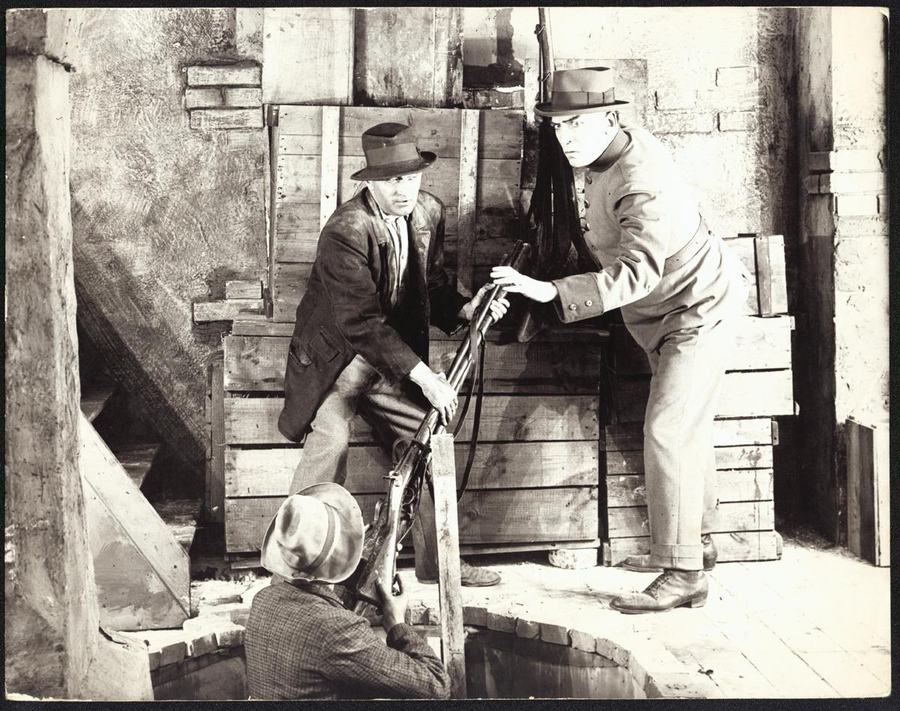
The film’s genius is that it refuses to grant anyone the dignity of a close-up; faces loom mid-shot, half-eaten by shadow, as though the cinematographer feared catching the soul on the sly.
Nicolai Johannsen’s bastard heir arrives by sled beneath a sky bruised into ultraviolet. His cheekbones could slice bread; his eyes hold the resigned vacancy of a man who has already watched his own funeral. Johannsen never begs sympathy—he barely even blinks—yet the tremor in his gloved fingers, drumming against a sabre hilt, telegraphs generations of bastard shame. It is silent-film acting at its most mercury-heavy: no theatrical semaphore, just a slow ore-deposit of pain.
Opposite him, Carl Hintz’s bailiff exudes the oily rectitude of a church candle: he melts while proclaiming eternal light. In one devastating tableau he preaches against fornication while a parishioner’s illegitimate infant, swaddled in the pulpit’s shadow, begins to cry; Hintz raises his voice, the organ swells, and the child’s wail gets swallowed by the hymn—an entire social theology in twenty seconds.
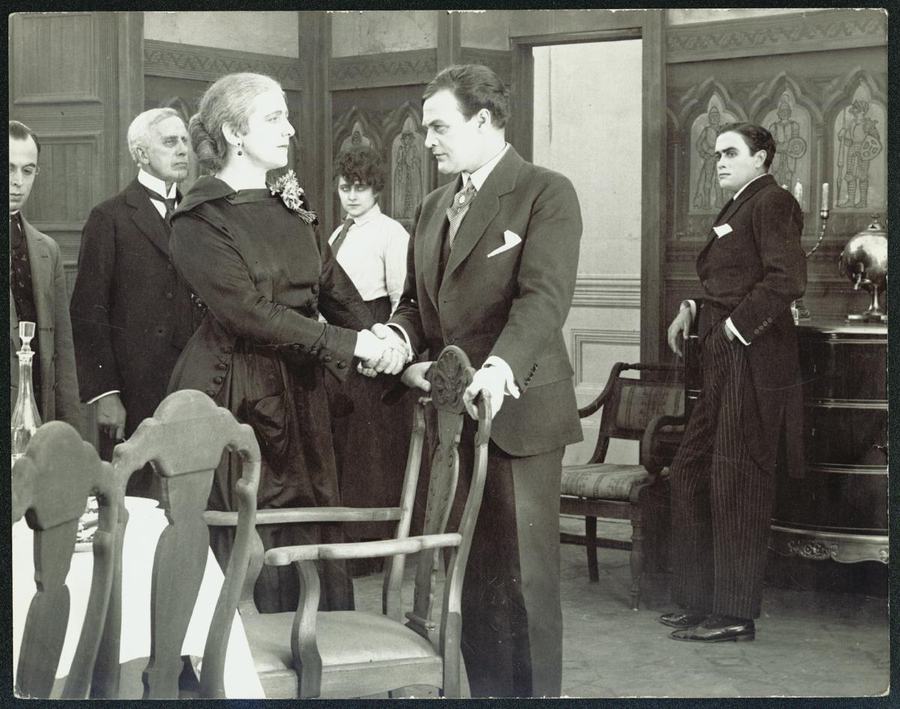
Cinematographer E. Krarup (doubling as the monocle-grinding soothsayer) pioneers a chiaroscuro so extreme it borders on albinism. Snowfields flare until they become sheet music for the eyes; black cliffs cut staccato bars. Interiors glow amber from single tallow candles, faces hovering in umber dusk like coins at the bottom of a wishing well. The eye adjusts, then over-adjusts, until the viewer feels personally indicted by the mere act of seeing.
Compare this to the tropical delirium of The Rajah’s Diamond Rose or the studio-bound lyricism of The Blue Bird; Slægternes Kamp denies the viewer any decorative cushion. Even the film’s only erotic interlude—a hand sliding beneath a wool skirt—plays out against a wall of fish-gutting knives, their blades reflecting the tryst like judgmental stars.
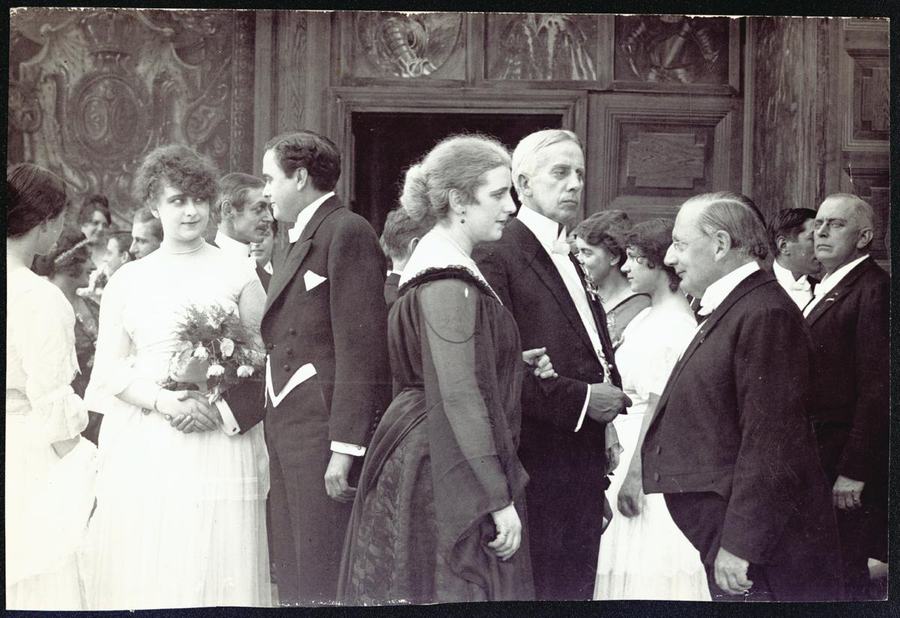
No intertitle ever explains why heirs hate each other; instead, the film trusts the viewer’s nostrils to catch the stench of generational dread. When Viggo Wiehe’s poet swallows birch-bark verses, we read nothing—yet the crunch between teeth, the gulp, the subsequent hush feel more articulate than any exposition dump modern scripts foist on us. The absence of words becomes a negative space where ancestral ghosts carve graffiti only the subconscious can parse.
This parsimony bleeds into the score. The 2018 restoration commissioned a new accompaniment: a lone Hardanger fiddle whose gut strings drone like a fjord wind, occasionally joined by a whispering female choir that never resolves into melody. The effect is akin to eavesdropping on runes debating theology.
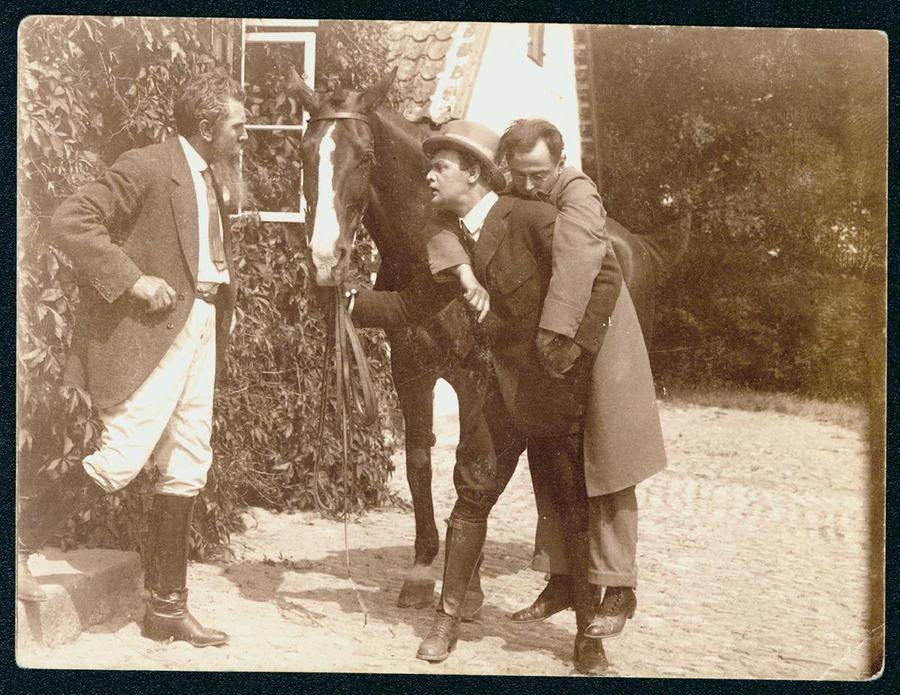
Anna Margrethe Molstadt’s drowned bride deserves her own wing in the pantheon of mute icons. She appears first as rumor, then as corpse, finally as revenant—yet never as victim. When she strides from the bog, water cascading from her hair like liquid obsidian, the camera refuses to ogle; it frames her in medium long-shot, feet hidden by reeds, as though nature itself conspires to keep her mysterious. In a cinematic era that liked its women martyred (La Salome, anyone), Molstadt’s character stages a posthumous coup: she becomes the narrative’s weather vane, steering fate without uttering a syllable.
Judith Bruun’s midwife, meanwhile, embodies the film’s moral quicksand. She stitches infants’ lips to hush the family curse, yet her own mouth trembles with lullabies she will never voice. In close-up her eyes glint the sickly yellow of #EAB308—betrayal mixed with mercy—until you realise the two virtues share a border in this universe.
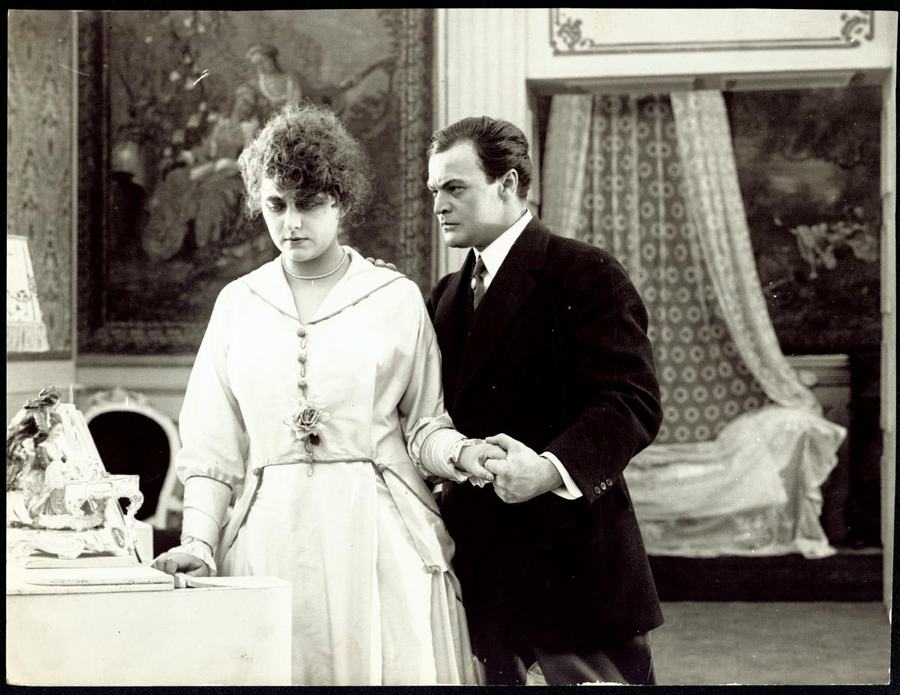
The final confrontation rejects Griffith-like cross-cut grandeur. Instead, the clans converge on a salt-flat that the tide is quietly reclaiming. Combatants sink ankle-deep, then knee-deep; each swing of axe or hoe carries the lethargy of nightmare. Cinematographer Krarup undercranks the footage just enough to make gestures feel aqueous without slipping into comedy. Blood diffuses into seawater, pink spirals that vanish as fast as they appear—like history embarrassed by its own mess.
When the ice-blue girl exhales her apocalyptic wind, the film jump-cuts to every weathercock in the district spinning askew—an image both ludicrous and cosmic, worthy of Dovzhenko had he been born on Jutland. There is no victor, only a dissolve to black, then a single intertitle: “The fjord reclaims its name.”
Where The Quest chases metaphysical absolutes and Tsar Nikolay II wallows in monarchical pageantry, Slægternes Kamp distills nationalism into a village blood-feud, anticipating the continental self-maiming about to erupt. Its DNA surfaces decades later in Bergman’s Winter Light and Høeg’s Smilla’s Sense of Snow, but none match the primal sting of this 1914 relic.
The 4K scan lifts a veil we never knew existed: frost crystals on cloaks now glitter like diamond dust; pupils house twin infernos. Yet the real miracle is temporal. Scratches remain, gate-weave dances—blemishes that remind us we are watching something barely rescued from the pyre. Criterion, are you listening?
Slægternes Kamp is not a film you enjoy; it is a film that ends you. It leaves frostbite on the retina and a taste of iron at the back of the throat. Yet its austerity is so perfect, its refusal to pity so absolute, that walking away feels like desertion. I have seen it four times and still hear the Hardanger fiddle in my radiator’s hiss. Seek it, but bring a blanket—preferably one woven by your enemy.

IMDb 6.4
1932
Community
Log in to comment.