DbcultAccessing Vault...
Cult Review
Senior Film Conservator
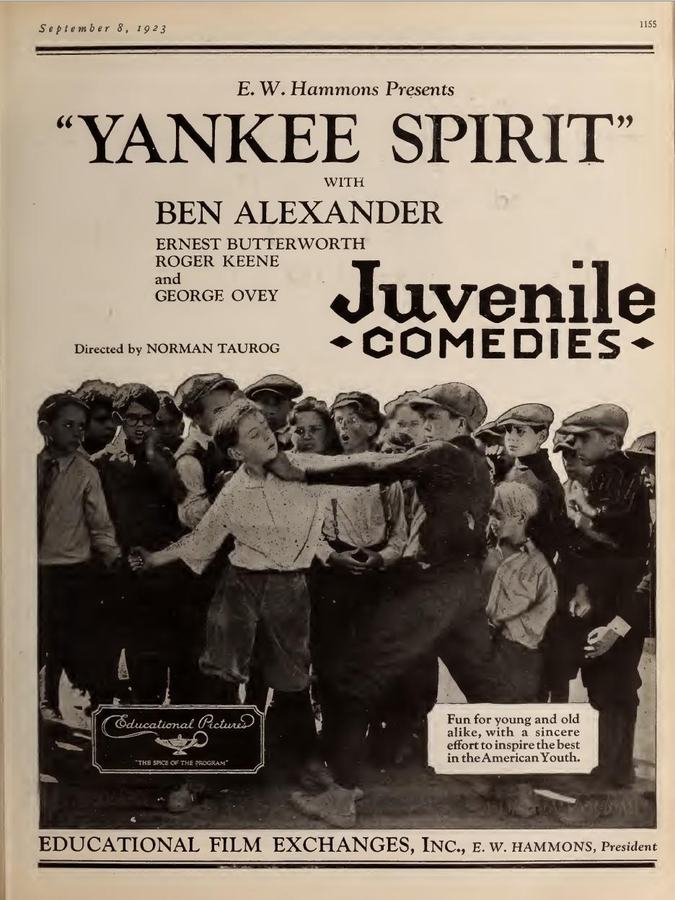
In the annals of early cinema, certain films, even those shrouded by the mists of time, resonate with a profound, almost mythic quality. "The Yankee Spirit" stands as a poignant testament to this phenomenon, a cinematic artifact that, despite its vintage, speaks volumes about enduring human virtues. This isn’t merely a historical curiosity; it’s a vibrant, emotionally charged narrative that masterfully captures the ethos of an era, weaving a compelling tale of innovation, community, and the unyielding will to overcome adversity. One might be tempted to dismiss it as a simple morality play, yet its intricate characterizations and nuanced thematic explorations elevate it far beyond such reductive labels.
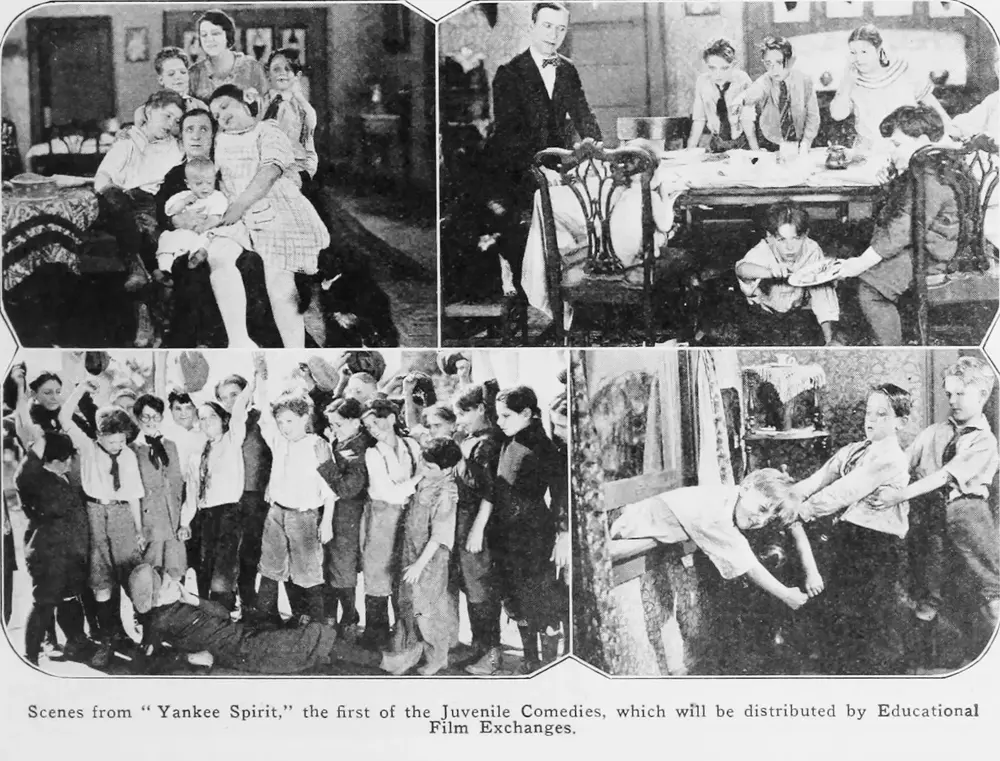
At the narrative's core is Earl Douglas, portraying a character whose very essence embodies the titular 'Yankee Spirit'. His performance as the resourceful, perpetually optimistic inventor, whose ingenious agricultural machine promises to be the salvation of a New England town ravaged by economic hardship and an unforgiving winter, is nothing short of captivating. Douglas imbues his character with a quiet dignity and an unwavering resolve that is utterly infectious. His contraption isn't just a piece of machinery; it's a symbol of hope, a tangible manifestation of human ingenuity pitted against the relentless forces of nature and, more insidiously, human greed. The struggle to bring this vision to fruition forms the backbone of the film, presenting a fascinating study of ambition, perseverance, and the often-fraught path of innovation.
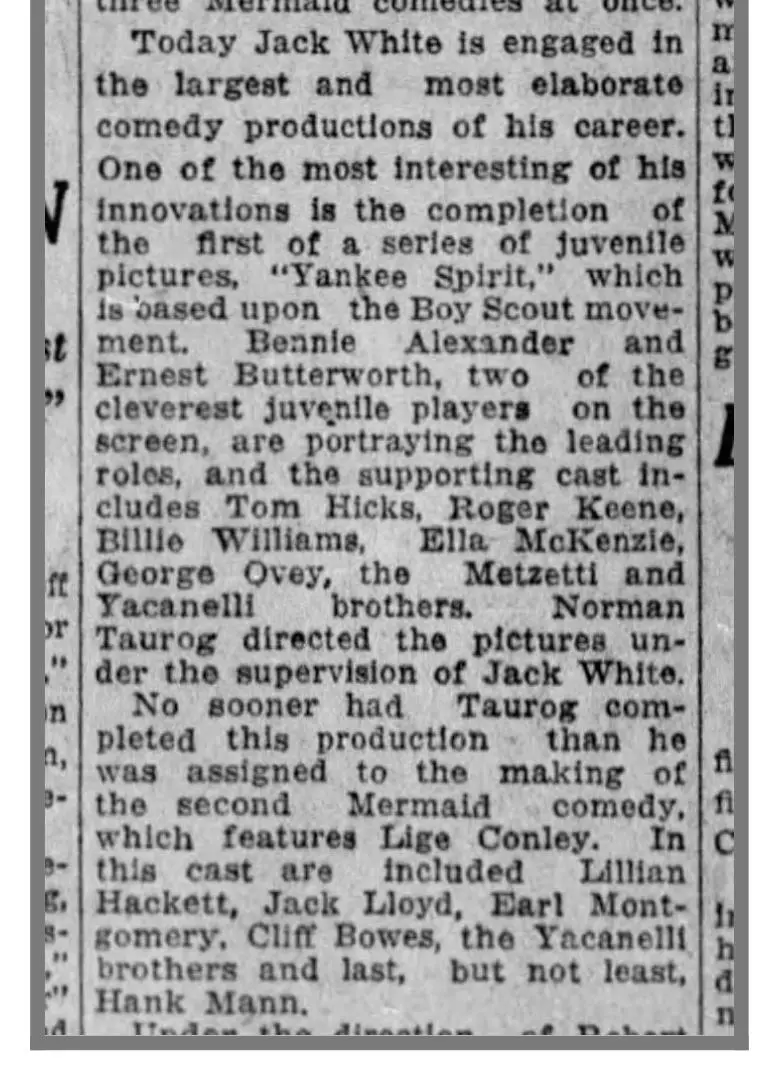
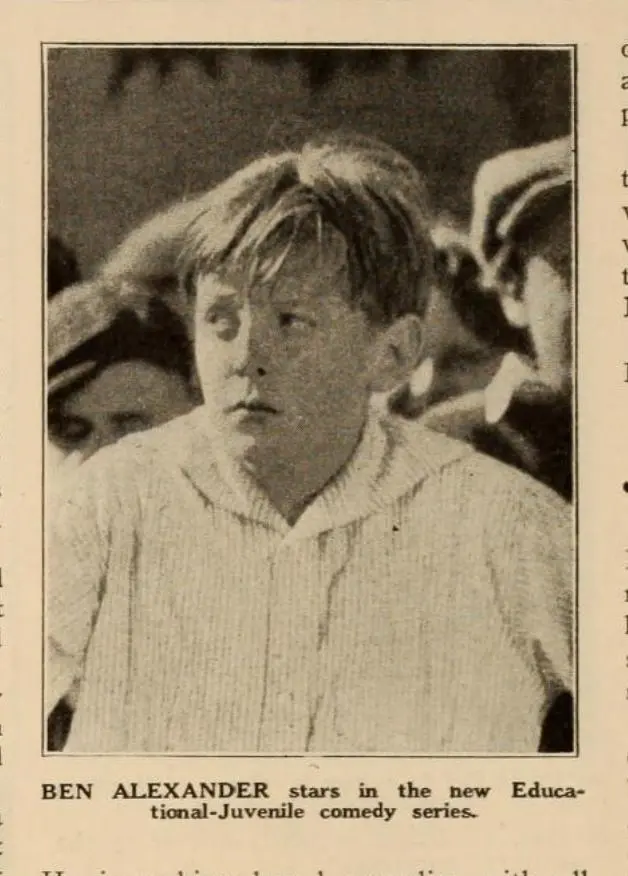
Opposing this burgeoning optimism is Ben Alexander, whose portrayal of the unscrupulous land speculator from the city is a masterclass in subtle villainy. Alexander eschews overt histrionics, instead crafting a character whose menace lies in his smooth, calculating demeanor and his insidious ability to exploit desperation. His machinations to acquire the struggling farms at a pittance, thereby dismantling the very fabric of the community, serve as a stark reminder of the predatory aspects of unchecked capitalism. The contrast between Douglas's earnest, community-minded inventor and Alexander's self-serving industrialist creates a powerful dramatic tension that propels the narrative forward with relentless momentum. This dynamic is reminiscent of the class struggles explored in films like "Rich Man, Poor Man", though here, the battle is less about inherent wealth disparity and more about the clash of ideologies – communal prosperity versus individual gain.
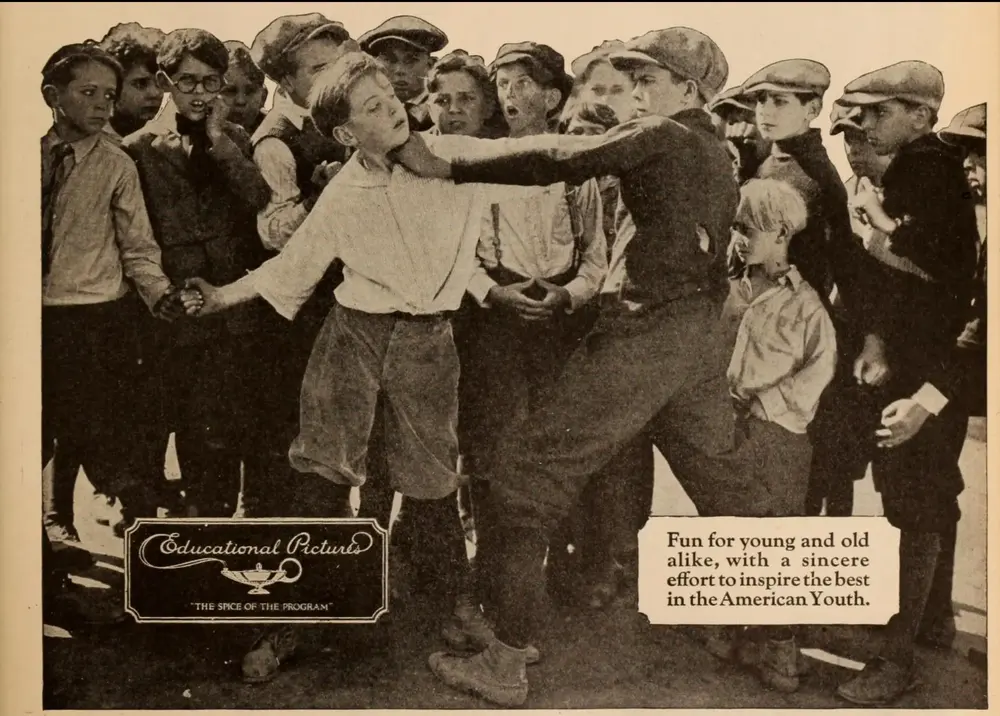
No discussion of "The Yankee Spirit" would be complete without lauding the exceptional performance of Ella McKenzie. As the spirited schoolteacher, she is far more than a mere love interest; she is the moral compass, the intellectual foil, and the emotional anchor for Douglas's character. McKenzie's portrayal radiates intelligence, empathy, and an unshakeable belief in the potential for good. Her character's steadfastness provides not only crucial emotional support but also practical assistance, embodying the strength and agency often overlooked in female roles of the era. Her presence elevates the film, offering a nuanced depiction of female resilience that echoes the themes found in films like "What Wives Want" or "Do Women Pay?", yet with an added layer of proactive engagement in the community's plight. She represents the quiet, yet formidable, strength that often underpins societal progress.
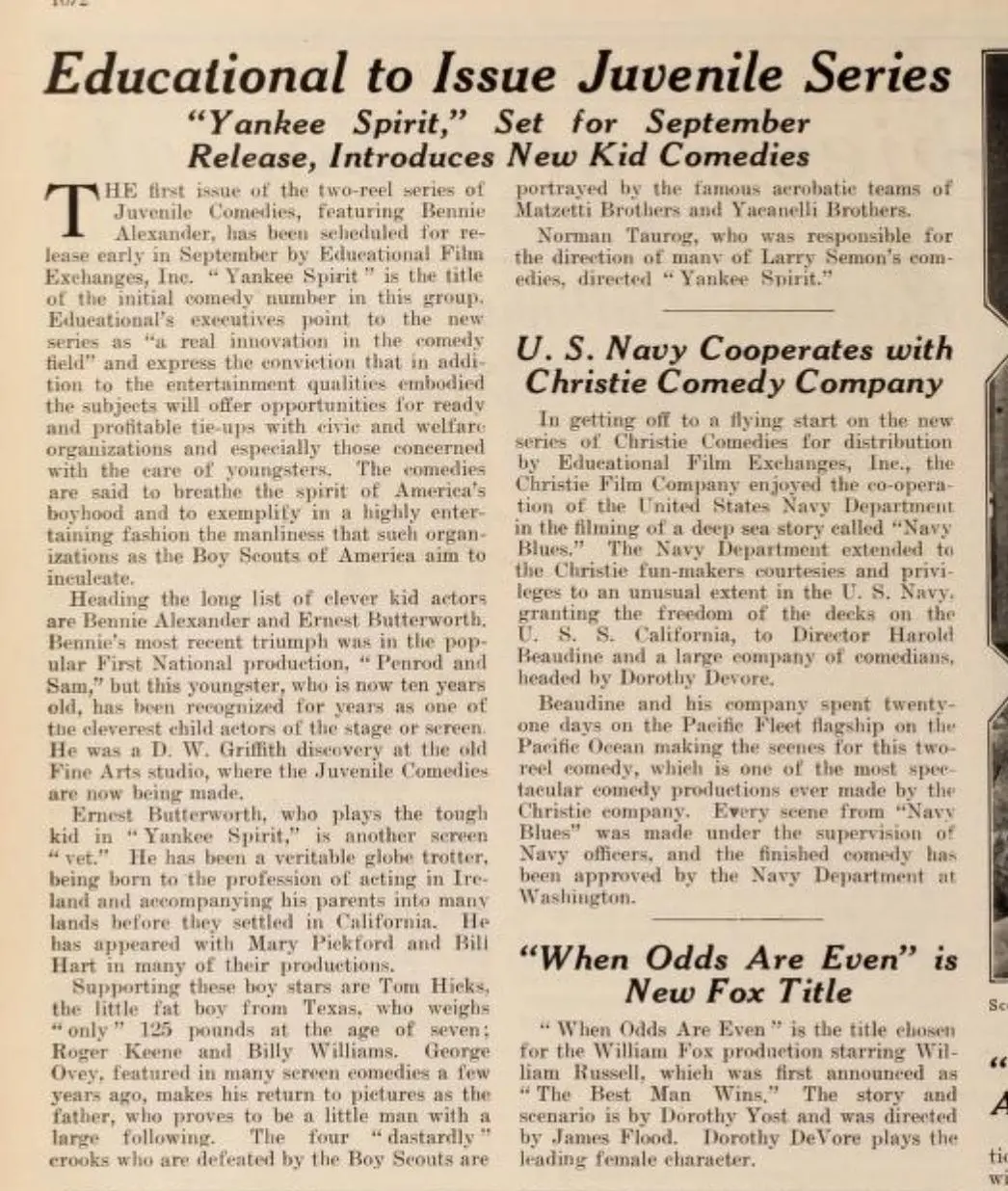
The ensemble cast, though often in the background, contributes significantly to the film's rich texture. Otto Metzetti and Victor Metzetti, as Alexander's thuggish enforcers, provide a tangible threat, their actions—from subtle intimidation to outright sabotage—underscoring the villain's ruthless ambition. Their physical presence and menacing demeanor enhance the stakes, making Douglas's struggle feel all the more perilous. Conversely, characters like Jack McHugh and George Ovey, portraying loyal townspeople, embody the communal spirit that is so central to the film's message. Their unwavering support, even in the face of daunting challenges, highlights the power of collective action and mutual aid. This sense of solidarity is a recurring motif, a quiet but powerful counterpoint to the individualistic greed of Alexander.
The younger generation is represented by Tommy Hicks, as Douglas's eager apprentice, symbolizing the transmission of knowledge and the promise of future ingenuity. His youthful enthusiasm offers a refreshing contrast to the cynicism of some of the older, more jaded townsfolk. Ernest Butterworth Jr., likely in a role providing comic relief or a moment of unexpected insight, adds another layer of human interest, reminding us of the innocence and potential of childhood, perhaps akin to the charming youthful escapades seen in "Carmen, Jr." or "Mästerkatten i stövlar". The broader community is fleshed out by figures such as Verne Winter, Roger Keene, Buddy Williams, Frank Yaconelli, and Oscar Rudolph, each contributing to the mosaic of a struggling but resilient New England town. Their varied reactions, from skepticism to unwavering belief, paint a realistic picture of a community grappling with existential threats.
As a silent film, "The Yankee Spirit" relies heavily on visual storytelling, and here, it truly shines. The cinematography, though perhaps rudimentary by modern standards, is remarkably effective in conveying mood and narrative progression. Close-ups of Douglas's determined face, the intricate details of his invention, or the subtle shifts in McKenzie's expressions communicate volumes without the need for dialogue. The use of natural light and the stark New England landscapes serve as more than just a backdrop; they become an active participant in the drama, symbolizing the harsh realities the community faces and the beauty they strive to preserve. The film employs intertitles judiciously, using them to enhance rather than dictate the emotional flow, allowing the audience to truly immerse themselves in the visual narrative. This thoughtful direction ensures that the story's emotional beats land with considerable impact, making the triumphs all the more exhilarating and the setbacks all the more heartbreaking.
The thematic exploration of American resilience is particularly potent. The film suggests that true 'Yankee Spirit' isn't about isolationist pride, but rather a blend of ingenious self-reliance and profound communal responsibility. Douglas's invention, while born of individual genius, is ultimately for the collective good, a stark contrast to Alexander's destructive self-interest. This narrative arc, where an underdog fights for justice and the common good, is a timeless one, echoing the spirit found in films like "The Convict Hero", where an individual's struggle often reflects broader societal battles. The triumph of the community over external threats and internal doubts becomes a powerful metaphor for the enduring strength of the human spirit when united by a common purpose.
The film's pacing is masterfully controlled, building suspense gradually through a series of escalating challenges. From the initial skepticism surrounding Douglas's invention to Alexander's increasingly desperate acts of sabotage—including a harrowing fire that threatens to destroy everything—the narrative maintains a taut energy. The climax, a public demonstration of the agricultural machine, is a tour de force of cinematic tension. It’s a moment where all the disparate threads of the story converge, where hope and despair hang precariously in the balance. The ingenious way Douglas and the community overcome Alexander's final, desperate attempt at sabotage is not only dramatically satisfying but also profoundly symbolic of collective triumph. This resolution reinforces the film's core message: that ingenuity, when coupled with community spirit, can surmount even the most formidable obstacles. The sheer emotional release at this juncture is palpable, a testament to the audience's investment in the characters and their struggle.
"The Yankee Spirit", in its entirety, is more than just a historical document; it's a vibrant cinematic experience that transcends its era. It's a powerful reminder that the struggles for progress, community, and integrity are perennial. The performances, particularly by Douglas, McKenzie, and Alexander, are captivating, bringing a depth and authenticity to their roles that belie the absence of spoken dialogue. The film's enduring appeal lies in its universal themes: the battle between good and evil, the power of innovation, and the strength of a united community. It resonates with a timeless quality, inviting viewers to reflect on the very essence of what it means to persevere in the face of adversity. Its message of hope and collective action feels as relevant today as it undoubtedly did upon its initial release, cementing its place as a significant work in early American cinema, perhaps even more impactful than some more lighthearted contemporaries such as "Love in a Hurry" or "Oh, Daddy!". It leaves one with a profound appreciation for the ingenuity and fortitude of the human spirit.
IMDb 6.5
1934
Community
Log in to comment.