Summary
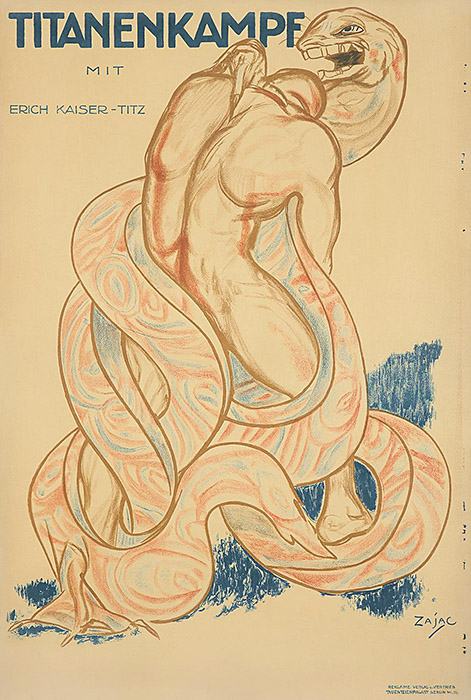
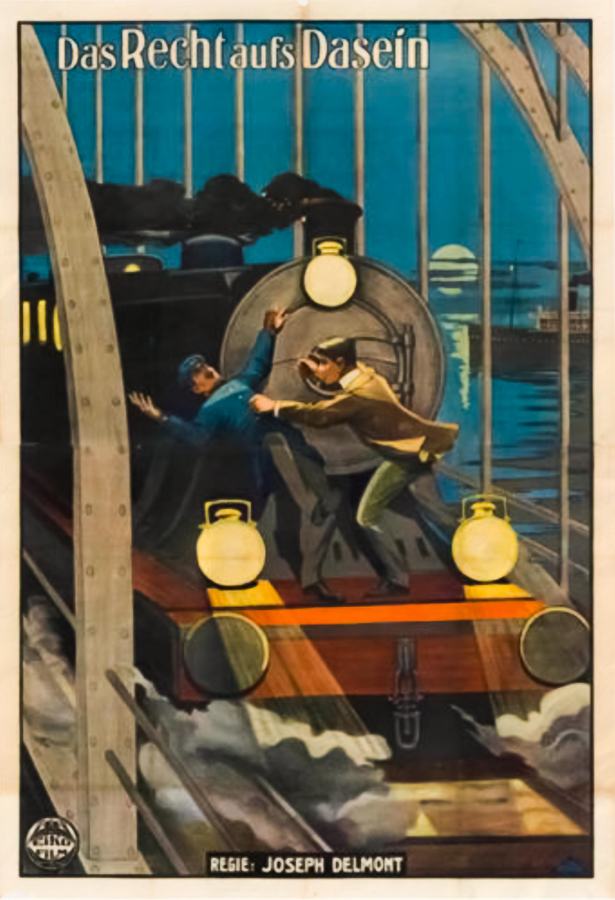
A locomotive-sized shadow creeps across Weimar-era Berlin as Joseph Delmont orchestrates a fever-dream of mechanized hubris: steel leviathans duel for the honor of empire while coal dust hangs like a shroud over Tiergarten avenues. Hansi Hesch’s engineer, half Promethean fire-bringer, half sacrificial pawn, pilots a turbine-beast christened Titanenkampf through a labyrinth of sabotage, stock-market vertigo, and erotic treason; Alfred Kuehne’s steel-baron wears top-hat armor, eyes reflecting ticker-tape constellations that spell profit over corpses; Erich Kaiser-Titz’s war-maimed poet drags a mechanical leg whose piston-beat syncs with the train’s heart, versing odes to a nation devouring itself. Ilse Bois, torch-singer turned saboteur, slips nitroglycerin into champagne coupes while crooning of apocalypse, her silhouette a razor-slash of sequins against the sooty glass. Between marshalling yards and cabaret cellars, the narrative barrels like an un-braked express: rival industrial clans wager entire Reichsmark treasuries on whose engine will first breach the 200-kilometre veil, oblivious that the finish line is a chasm. Cinematographer Gustave Stülpner floods nitrate with mercury-arc blues and furnace-oranges, turning every piston stroke into a cathedral gong of light; shadows are carved so deep they seem to gouge the screen. When the final boiler detonates beneath the fractured Siegessäule, celluloid itself appears to hemorrhage, scattering iron filings and rose petals into the projector beam—an aphrodisiac of ruin.
Review Excerpt
"
Berlin, 1925. In the bruised twilight between two nightmares, a single whistle shrieks like Mephistopheles with a steam-cold sore throat.
Joseph Delmont’s Titanenkampf—long misfiled as a mere industrial newsreel—erupts from the archive like a boiler whose rivets have been patiently loosened by time. What unspools is not the nostalgic chug-chug nostalgia of Michael Strogoff nor the polite board-room skulduggery of The King's Game, but a molten allegory of capital run amok, a Gesamtkunstwerk whe..."