DbcultAccessing Vault...
7/10
Senior Film Conservator
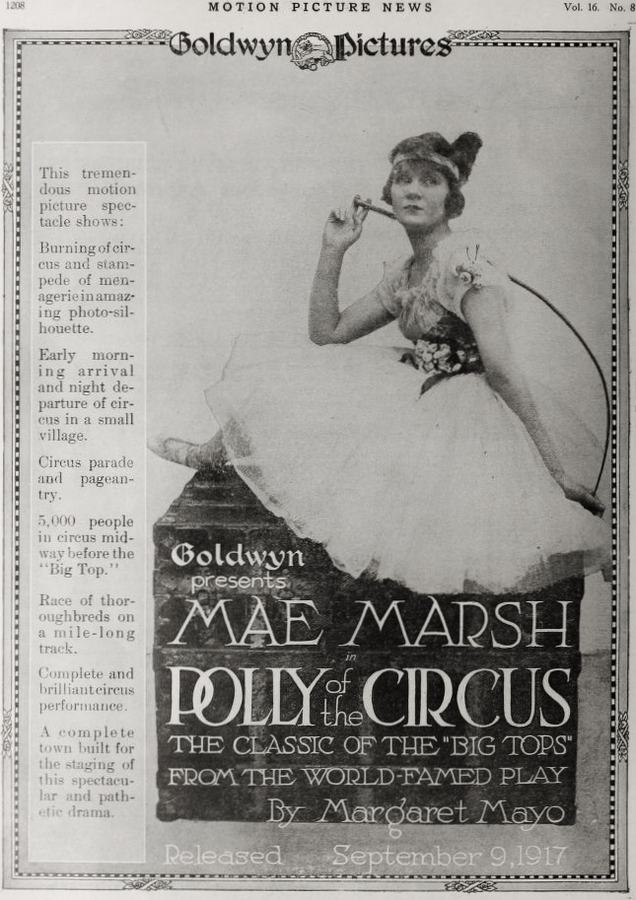
A definitive 7/10 rating for a film that redefined the boundaries of cult cinema. Polly of the Circus remains a cornerstone of transgressive art.
The first time Polly Fisher arcs through the celluloid ether, the camera tilts upward as though heaven itself were a tent—canvas billowing, spotlights carving gold from dusk. It is 1917; the world is busy crucifying itself in trenches, yet here in this pocket-sized parable the only war is between pulpit and sawdust, chastity and carnival smoke.
Director Edwin L. Hollywood (his surname almost a cosmic joke) shoots the accident in overlapping superimpositions: the swing, the snap, the plummet, the gasp. We never see the impact—only the after-shock rippling across parish bonnets and bowler hats. That visual ellipsis is the film’s first flirtation with maturity; pain is suggested, not fetishized. A decade later Cecil B. DeMille would drench circus stories in decadent excess; here, restraint feels almost Lutheran.
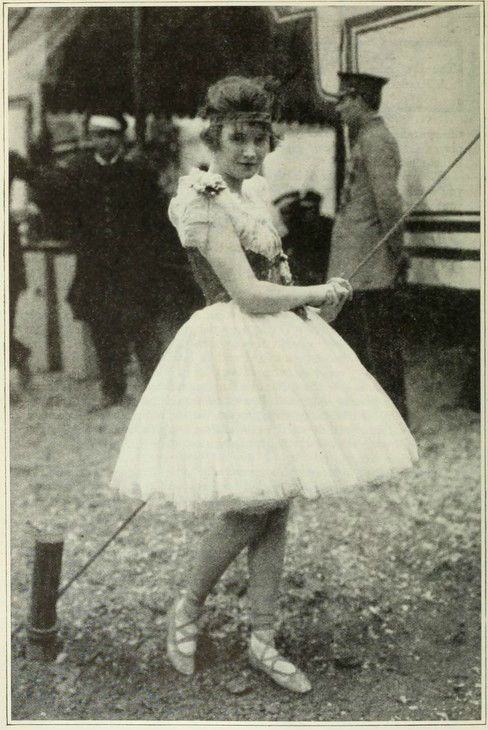
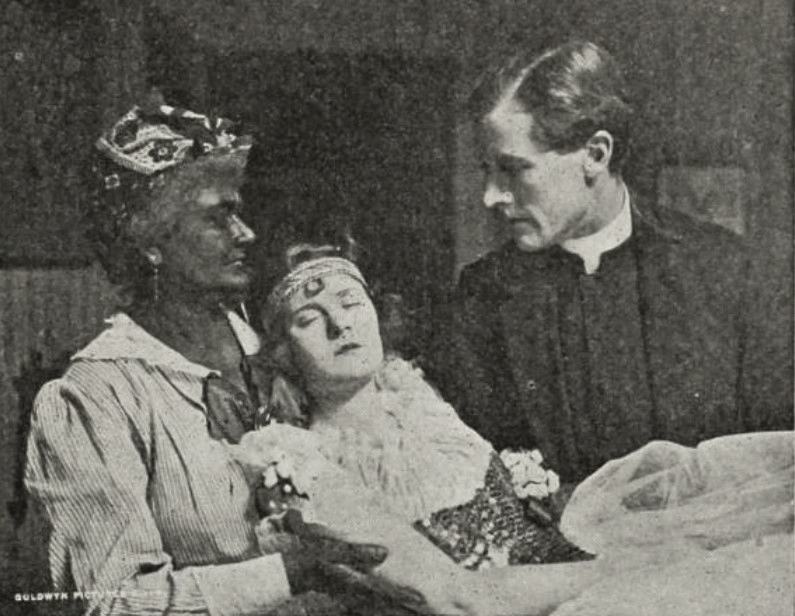
Mae Marsh’s Polly is introduced feet-first: grubby slippers toeing a practice bar, chalk rising like incense. The body is text; every sinew spells defiance against gravity and gender. Marsh, fresh from The Soul of Kura San, trades kimono silks for leotard sequins yet retains the same tremulous pulse—half-woman, half-question-mark. Watch her eyes in the infirmary scene: they flick toward the clergyman’s Bible as if it were another apparatus to master. Conversion, the film insinuates, is mere choreography learned in mid-air.
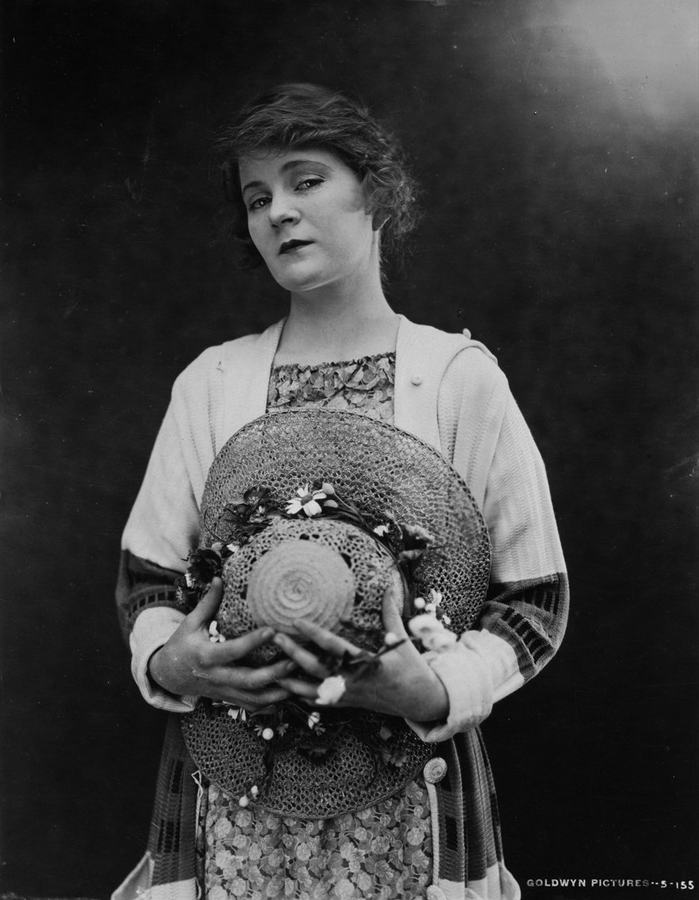
Vernon Steele’s John Hartley—stolid, velvet-voiced—has the thankless task of embodying rectitude without calcifying into plank. The screenplay, adapted from Margaret Mayo’s stage melodrama, hands him dialogue cards steeped in King James cadence. Steele undercuts the potential starch by letting his pupils dilate whenever Polly laughs; the carnal betrays the canonical. Their courtship montage, scored in modern revival screenings by live accordion, unfolds like a prayer meeting hijacked by butterflies: feeding calves, sipping cider, arguing over whether the steeple or the big-top peak scrapes closer to God.
Secrets in silent cinema typically fester behind organ chords and mustache-twirls. Here the leak feels almost accidental: a marriage certificate slips from a hymnal, discovered by the sexton’s vinegar-breathed wife. Gossip gallops faster than any trick pony. Within two reels the pews are emptied of sympathy; the bishop brandishes ecclesiastical etiquette like a crosier-cudgel. Hartley’s resignation arrives via intertitle—white letters on charcoal—delivered with the blunt trauma of a Dear-John telegram.
What stings is not the unemployment itself but the visual silence that follows: an abandoned church interior, dust-motes waltzing through projector light, a bell rope swaying without hand to tug it. Hollywood trusts the audience to intuit heartbreak, a courtesy modern blockbusters rarely extend.
Though chemically black-and-white, the film’s palette is legible through associative tinting: amber for circus nights, cerulean for domestic dawn, sickly green for the moment Polly contemplates desertion. Archives have restored most of the 35-print, yet one reel still flickers like a moth in lamplight—fitting for a story that interrogates impermanence. Compare this deliberate fluctuation to Creation’s tinted deluge or Loyalty’s scarlet fever scenes; early Hollywood was learning that hue could be rhetoric.
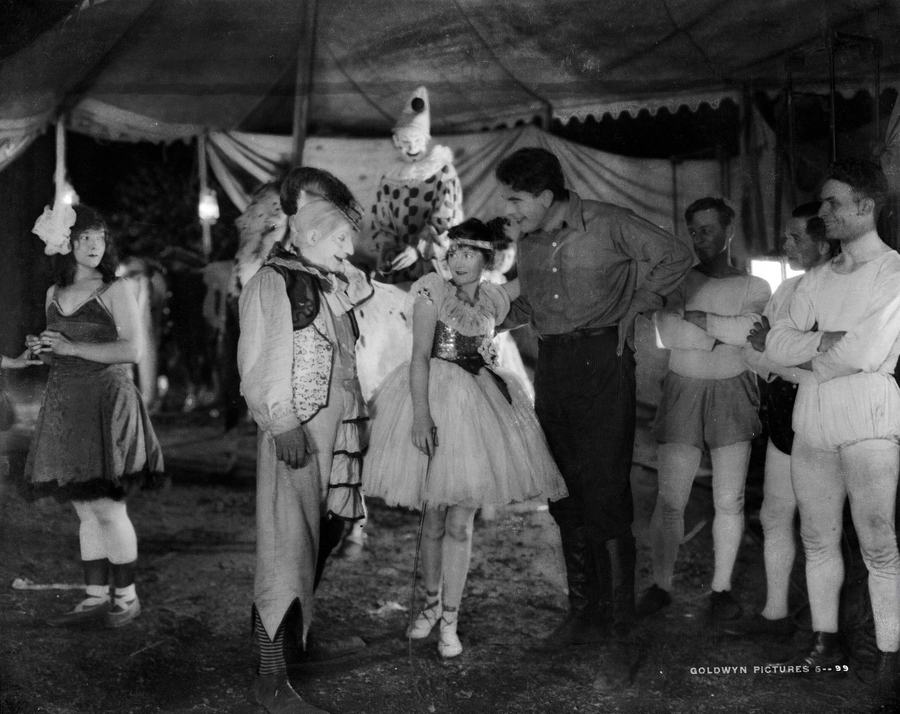
The supporting ensemble reads like a census from a lost America: Lucille La Verne’s gravel-throated ringmistress anticipates her later turn as the Evil Queen in Disney’s Snow White; Harry LaPearl’s rubber-jointed clowning pays homage to the pantomime lineage that would feed both Chaplin and Keaton. Note the uncredited “Bingo and the Rest of the Beasts”—a medley of poodles, geese, and one indignant mule—who provide slapstick cushioning whenever the marital tension crests. Their presence isn’t mere novelty; animals literalize the theme of tamed wildness, mirroring Polly’s social domestication.
American Progressivism is often framed through trust-busting and suffrage banners, yet the chasm between tent-show itinerancy and small-town rectitude exposes another battlefield. The parishioners’ revulsion encodes deeper anxieties: the fear that bohemian cosmopolitans—Catholic, immigrant, sexually unhampered—will pirouette into the heartland and pollute its WASP bloodstream. Polly’s profession embodies kinetic modernity; the church represents static eternity. When the couple weds, these dialectics collapse into a single scandalous body.
Sound familiar? Swap circus for streaming, and the culture war still rages. One need only glance at online troll storms when a tattooed actress dates a televangelist to recognize the longevity of this 1917 parable.
Without spoiling the closing tableau, suffice it to say the resolution refuses both fairy-tale and tragedy. Polly’s ultimate decision—rendered in an extended close-up that lasts a full fourteen seconds, an eternity for 1917—requires the viewer to project meaning onto Marsh’s quivering chin. Does she stay, does she leap? The film cuts to an exterior long shot of the circus wagons rolling into sunrise, Hartley’s silhouette merging with the caravan dust. Love, the ending whispers, is less a destination than a perpetual tightrope.
Cinematographer William F. Wagner—later to shoot My Best Girl—relies on diagonal compositions to destabilize. Trapeze ropes slice frames into triangular tensions; church beams box characters into moral grids. Note the dolly-in on Polly’s first post-marital sermon attendance: the camera glides as though on invisible tracks laid by guilt itself.
Most surviving prints circulate with Gaylord Carter organ scores. In 2019, the Pordenone Silent Festival commissioned a new quintet arrangement—accordion, viola, musical saw, toy piano, and found-object percussion. The result underscores the film’s carnivalesque DNA while honoring its hymnal undertones. Streaming viewers can sync the MoMA digital transfer with Spotify playlists labeled “Tent-show Spirituals,” creating an accidental counterpoint that would make Eisenstein grin.
Place Polly beside From Gutter to Footlights and you observe mirrored ascents from disrepute to respectability, though the former allows its heroine to straddle both realms without moral collapse. Contrast it with Helene of the North’s arctic stoicism; Polly’s warmth melts denominational ice. Meanwhile, The Lost Bridegroom toys with similar thematic binaries—sacred vs. profane love—but lacks the big-top kineticism that makes this film a kinetic rosary.
Acting in 1917 risked semaphore broadness; Marsh instead micro-acts. The way her gloved finger absently traces the spine of Hartley’s Bible conveys a sensual hunger no intertitle could articulate. Watch the tiny shrug when she overhears parish women labeling her “undesirable”; shoulders rise and fall like a deflated balloon—pathos without pathos-signaling. Steele counters with stillness, allowing only his Adam’s apple to betray turmoil during the resignation scene. Together they incarnate the dictum that silent film is not absence of voice but presence of everything else.
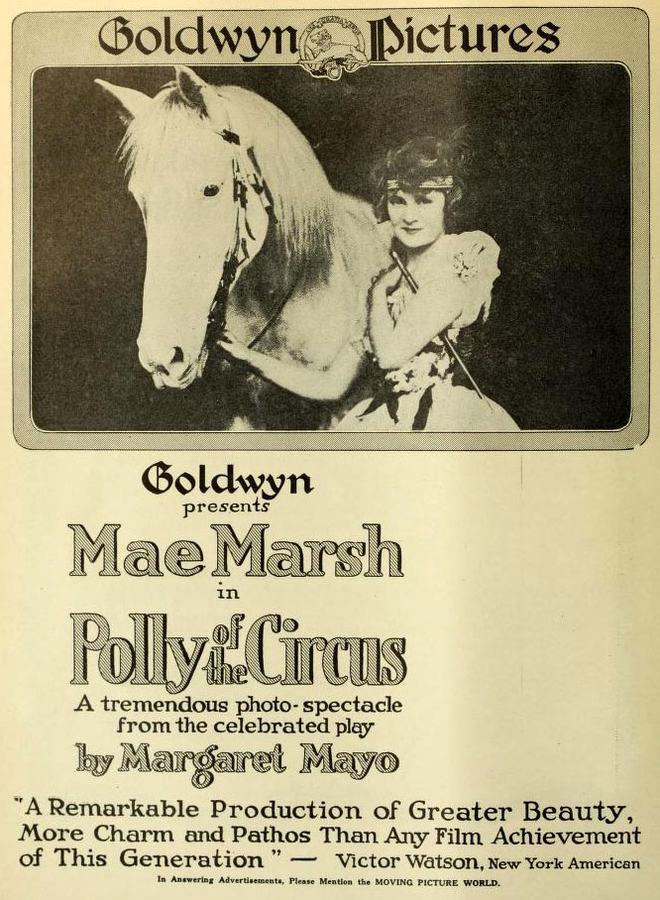
The screenplay by Adrian Gil-Spear and Emmett C. Hall sprinkles biblical allusions that double as circus puns: “Take therefore no thought for the tightrope, what ye shall swing” or “I am the ringmaster of the sheep.” Such wordplay risks cutesiness, yet in the context of 1917’s literacy rates it functioned as populist hermeneutics—scripture decoded for sawdust multitudes.
Film historians whisper rumors of a longer denouement reel—Polly returning to the ring for a charity benefit, Hartley catching her in a net woven of congregational neckties. No print has surfaced; perhaps the fantasy survives only in the same limbo where The Queen’s Jewel’s missing sapphire gleams. The absence, however, fortifies the parable. Life rarely grants third-act reprieves; neither should art.
Modern viewers may scoff at the premise—surely a minister marrying an entertainer would barely trend on Twitter today. Yet swap circus for OnlyFans and parish board for denominational TikTok, and the core tension re-emerges unscathed. Society still polices women’s bodies for public consumption, still demands that devotion to vocation trump devotion to spouse. Polly’s dilemma foreshadows every athlete who retires to appease a partner, every academic who drops tenure track to follow love across continents.
The 4K MoMA restoration streams on Criterion Channel during their “Silent Sundays” rotation and airs periodically on Kanopy via university libraries. For purists, 16mm prints circulate among private collectors; rumor has it a nitrate copy tours European cinematheques with live accompaniment by Ensemble Musique Vivante. If you snag a ticket, expect a program note comparing the movie to Silver Threads Among the Gold’s meditation on aging performers.
Great art doesn’t answer questions; it straps you to the fly bar and dares you to let go. Polly of the Circus survives as both postcard from a vanished America and mirror to our perpetual culture skirmish. Watch it for the stunt work—performed without CGI or OSHA nets. Watch it again for the quiet revelation that sanctity and spectacle are parallel ropes, swaying above an audience too terrified to admit we all, eventually, must jump.
—and when the lights rise, you’ll swear you smell popcorn mingled with candle wax, the perfume of every impossible marriage between flesh and spirit.
IMDb 5.2
1936
Community
Log in to comment.