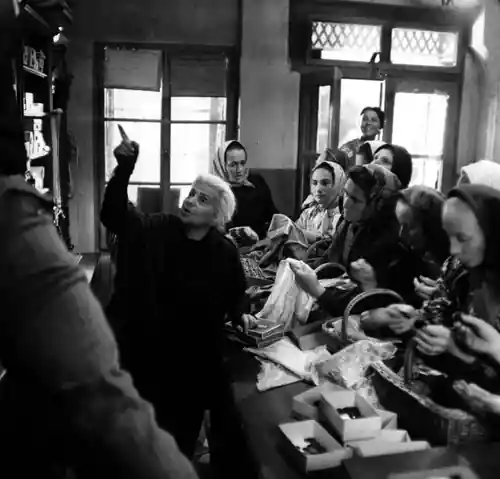
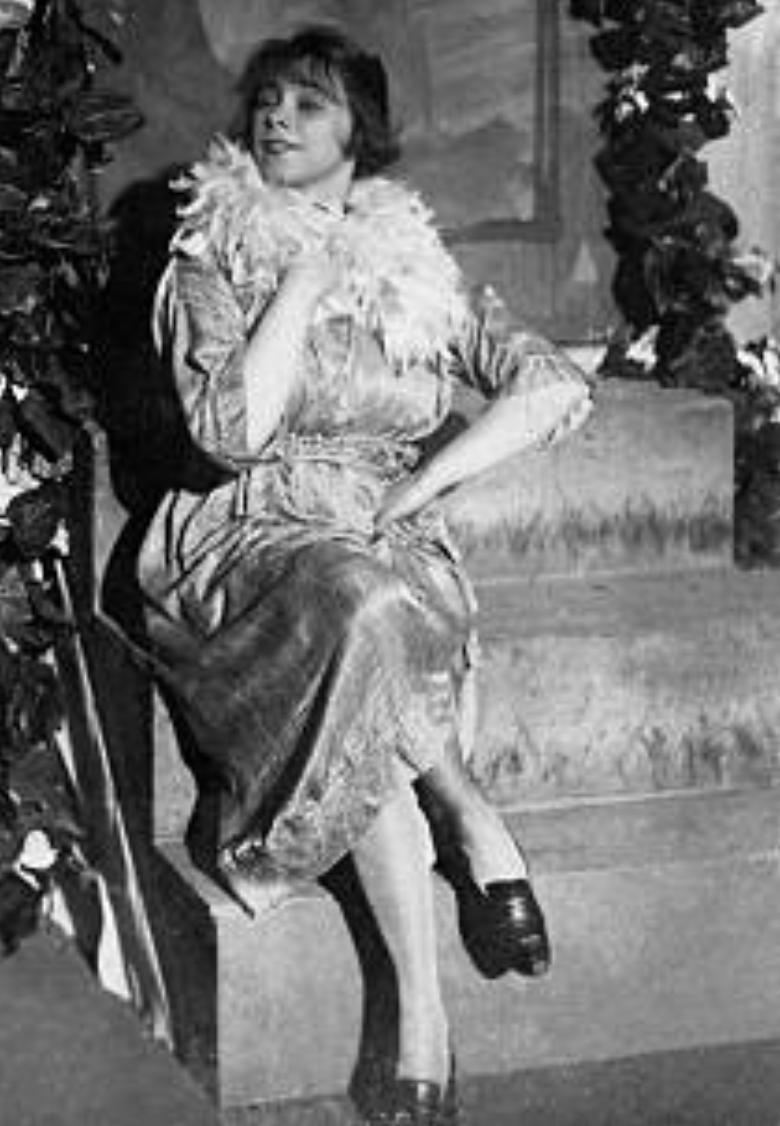
Starring real-life mother and daughter Ester-Rokhl Kaminska and Ida Kaminska, this film is a precursor to the 1937 classic, The Dybbuk, featuring the same classic tale of frustrated love and destiny and the breaking/fulfillment of vows..
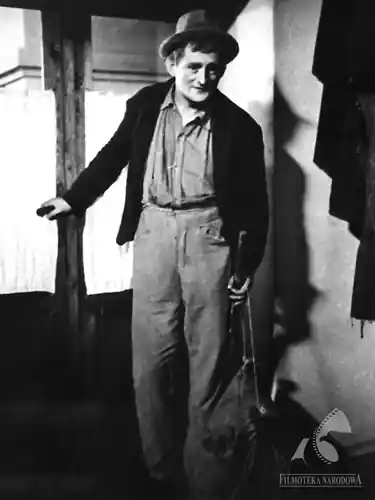
The Ancestral Echoes of Yiddish Silent Cinema To watch Tkies khaf (The Vow) in the modern era is to participate in a séance. This 1924 silent film, directed by Zygmunt Turkow, represents a pivotal moment where the vibrant traditions of the Yiddish theater collided with the burgeoning language of the silver screen. Unl...
Comparing the cinematic DNA and archive impact of two defining moments in cult history.
Zygmunt Turkow
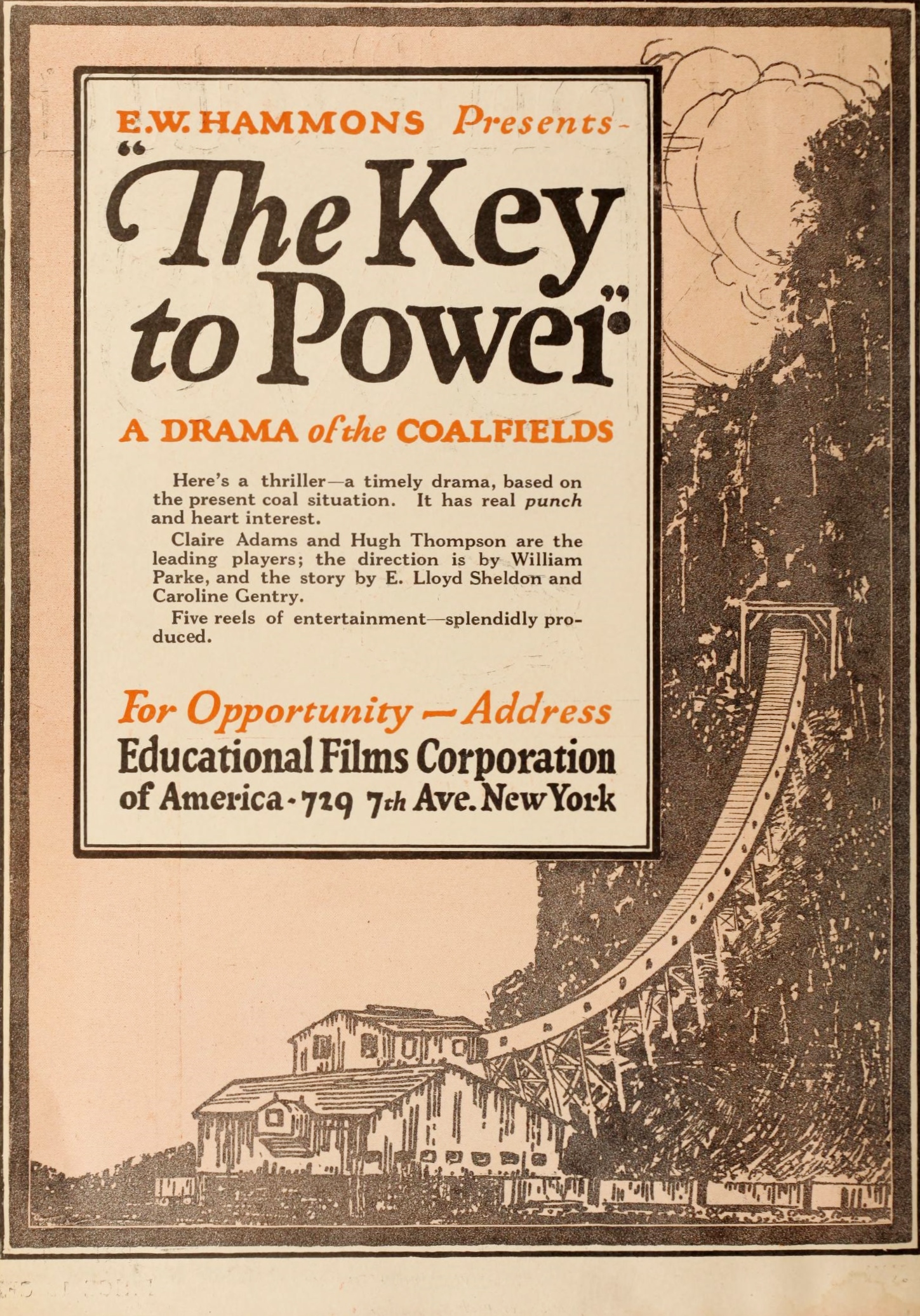
William Parke
Community
Log in to comment.
" The Ancestral Echoes of Yiddish Silent Cinema To watch Tkies khaf (The Vow) in the modern era is to participate in a séance. This 1924 silent film, directed by Zygmunt Turkow, represents a pivotal moment where the vibrant traditions of the Yiddish theater collided with the burgeoning language of the silver screen. Unlike the bombastic spectacle found in D.W. Griffith's The Birth of a Nation, which sought to define a national mythos through sheer scale, Tkies khaf operates on a more intimate, sp..."
Peretz Hirschbein, Jacob Mestel, Henryk Bojm
Poland
1920 · IMDb —
Maurice Elvey