DbcultAccessing Vault...
6.9/10
Senior Film Conservator
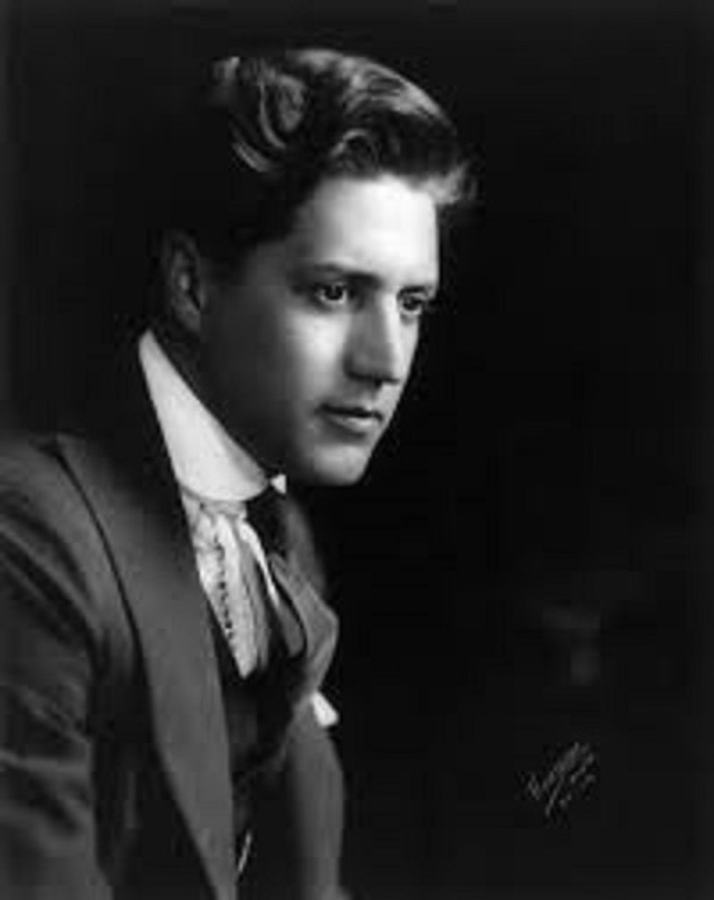
A definitive 6.9/10 rating for a film that redefined the boundaries of cult cinema. The Beloved Blackmailer remains a cornerstone of transgressive art.
Picture a nitrate reel hissing through a carbon-arc beam and you still won’t catch the full shimmer of The Beloved Blackmailer, a 1923 Paramount release that treats courtship like hostile corporate takeover. Director Harry O. Hoyt—fresh from dinosaur maquettes in The Lost World—trades stop-motion lizards for stop-motion hearts, coaxing wicked screwball tempo out of what could have been a standard society melodrama. The plot, deceptively dainty, is a Trojan horse: inside its lace doilies beats a feral satire of robber-baron decadence.
We open on a private railcar paneled in mahogany so polished it doubles as mirror. Enter Richard Langhorne III (Carlyle Blackwell), heir to the Northern & Atlantic trunk lines, a man who exits the womb wearing spats and never quite leaves that velvet cocoon. Across the velvet banquette sits Muriel Vance (Isabel Berwin), whose father owns the steel that lays Langhorne track. Clara Beranger’s intertitles introduce them with a sneer: “Two trust-fund infants teething on the same golden rattle.” Their papas—William T. Carleton and Charles Dungan—bray over stock points like rival stage-hams, each puffing cigars the circumference of railway couplers. The quarrel is never about money; it’s about the choreography of dominance. Into this paternal pissing-contest our lovers launch a conspiracy disguised as filial piety.
Beranger’s screenplay is a master-class in narrative origami: every fold appears ornamental until, with a flick, it becomes blade. Richard and Muriel forge a blackmail dossier—fake affidavits, doctored freight manifests, a risqué photograph of a rival’s mistress—then threaten to mail it to the board unless both patriarchs sign a truce. Problem: they enjoy the thrill more than the peace. Each forged letter they post ricochets back as aphrodisiac. In one delirious sequence they break into the Wall Street telegraph office at 3 a.m., costumed as janitors; Muriel’s bobbed hair tucked under a newsboy cap, Richard wielding a mop like sabre. Hoyt cranks the camera at slow speed so their darting eyes resemble Keystone chaos, yet the stakes feel blood-warm.
Silent cinema rarely gets credit for sonic imagination, but this film vibrates with implied sound: the clatter of typewriter keys becomes Morse-code flirtation; the hiss of a pneumatic tube stands in for gasp. Composer Hugo Riesenfeld’s original score (played at the 2021 Pordenone premiere) punctuates these silences with xylophone runs that mimic ticker-tape. The effect is synesthetic: you hear anxiety.
Carlyle Blackwell, often dismissed as a pretty silhouette, delivers here a comic anthropology of privilege. Watch how he fondles a fountain pen like a loaded revolver, or how his grin collapses when Muriel calls his bluff. Isabel Berwin matches him arch for arch; her Muriel is no flapper but a financier of emotion, investing glances like speculative stock. When she finally allows a smile, the close-up—soft-focus haloed by Alberto Giollo’s hand-tinted amber—feels like insider trading in the soul.
Visually, the film toggles between chiaroscuro interiors and sun-scalded exteriors. Cinematographer Gilbert Warrenton bathes parlours in tenebrous pools, then swings the iris to Long Island dunes where parasols flare like magnesium. The tonal whiplash mirrors our lovers’ pivot from sabotage to swoon. One reel ends with Richard burning incriminating papers; the smoke curls across the lens, fading into the next scene where Muriel’s veil billows on a clifftop—continuity by metaphor, not logic.
Compare this to Love Watches (1918), where the lovers merely observe time; here they weaponize it. Or stack it against Panthea’s grand guignol tragedy—both films know that to own someone’s secret is to own their pulse, but The Beloved Blackmailer prefers tickle to terror.
Yet the film is not without shadows. A subplot involving a Black Pullman porter (Rex McDougall) drifts into racial caricature; his eyes bulge at the shenanigans, serving as comic counterweight to white caprice. Modern viewers will bristle, though Hoyt at least grants the character the final gag—he delivers the decisive envelope, then pockets a hundred-dollar bill with a wink that breaks the fourth wall: “Mr. Charlie’s crisis pays my rent.” The moment is troublesome yet self-aware, an early admission that every capitalist carnival needs its excluded ticket-taker.
The climax, staged on a half-built trestle spanning the Hudson, literalizes the film’s emotional mathematics: risk equals romance. Richard dangles from a girder, suspenders flapping like surrender flags, while Muriel bargains with both fathers via walkie-talkie rigged from copper wire and opera glasses. Intercut shots—hands on ledger columns, hands on hearts—collapse the distance between stock ticker and pulse. When the patriarchs finally relent, the trestle itself seems to exhale, steam clouding the frame like collective catharsis.
Restoration-wise, the 4K photochemical rescue by EYE Filmmuseum reveals textures previously muddied: the glint of a brass cuff-link, the watermark on onionskin. The tinting playbook follows 1920s Paramount guidelines—amber for interiors, sea-blue for dusk, rose for clinches—yet the palette never slides into postcard kitsch. The sole casualty is a lost two-strip Technicolor reel rumored to have depicted a fireworks gala; we get a grainy still in the Blu-ray booklet, confetti frozen like pixelated snow.
So why does a trifle about railroad scions still click a century on? Because the film intuits a truth we now hashtag daily: every affair is leveraged, every selfie a shakedown. Richard and Muriel merely monetize affection in railroad bonds instead of Instagram likes. Their blackmail is courtship by other means, love letters written in the cadence of cease-and-desist.
Scroll through contemporary rom-coms and you’ll find their DNA here: the battle-of-wits banter of His Girl Friday, the wealth-skewering satire of Crazy Rich Asians, the consensual con games of Mr. & Mrs. Smith. Even the pastel sadism of Do Revenge owes a debt to Muriel’s pastel poison-pen.
If you crave a double bill, pair it with The Landloper (1918) for another tale of class collision, or contrast it with Crime and Punishment (1917) to see how Russian guilt differs from American gall. But let The Beloved Blackmailer have the last laugh; its closing intertitle reads: “They sold their fathers a lie—and bought themselves a truth.” In 2024, where truth is commodity and identity collateral, that transaction feels downright prophetic.
Verdict: a champagne cocktail spiked with arsenic wit, effervescent yet leaving a metallic aftertaste that lingers long after the lights come up. See it for the performances, rewatch it for the economic prophecy, treasure it because even in a century of talkies, some emotions remain best left unsaid—only implied by the slow, delicious squeeze of a blackmail note sliding under a gilded door.
IMDb —
1935
Community
Log in to comment.