DbcultAccessing Vault...
6.6/10
Senior Film Conservator
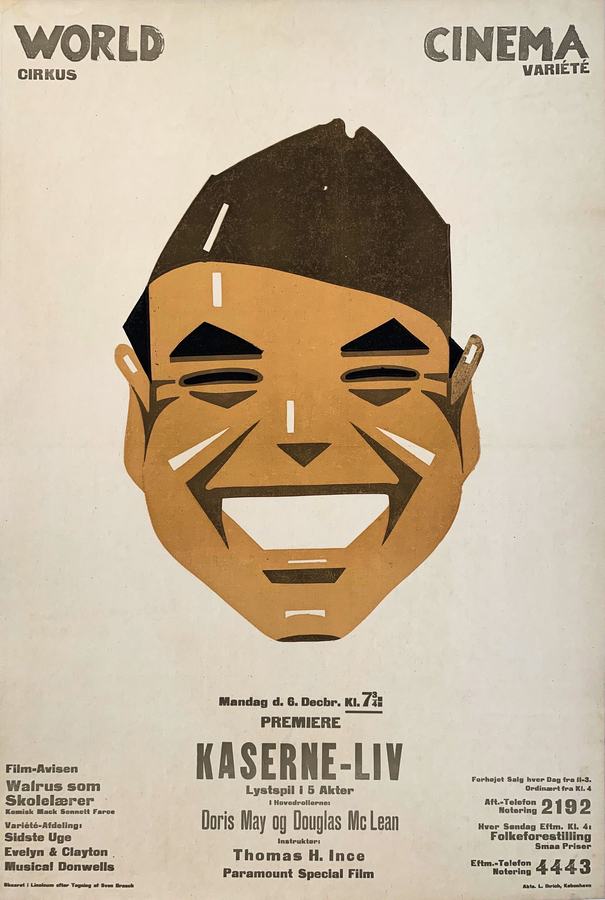
A definitive 6.6/10 rating for a film that redefined the boundaries of cult cinema. 23 1/2 Hours' Leave remains a cornerstone of transgressive art.
Stepping back into the cinematic landscape of the 1910s, one encounters a fascinating tapestry of narrative ambition, technical innovation, and evolving storytelling. '23 1/2 Hours' Leave,' a film from this pivotal era, offers a delightful glimpse into the period's unique blend of lighthearted entertainment and underlying patriotic fervor. Penned by the insightful Agnes Christine Johnston and the prolific Mary Roberts Rinehart, this picture takes a seemingly simple premise and weaves it into an engaging tale that balances comedic capers with a subtle undercurrent of espionage. It's a testament to the enduring appeal of a well-crafted story, even when presented in the silent, black-and-white medium that defined early cinema.
At its core, the film revolves around the irrepressible Sergeant Gray, portrayed with a spirited vivacity by Douglas MacLean. Gray is not merely a soldier; he embodies a particular archetype of American ingenuity and audacious spirit, a man whose confidence borders on hubris, yet is often justified by his resourcefulness. His central conceit – a daring wager to share breakfast with his commanding general – serves as the narrative's initial spark, setting in motion a series of events that are both comical and surprisingly perilous. This audacious challenge immediately endears Gray to the audience, establishing him as a character unafraid to bend the rules, or at least challenge the rigid hierarchy, within the military structure.
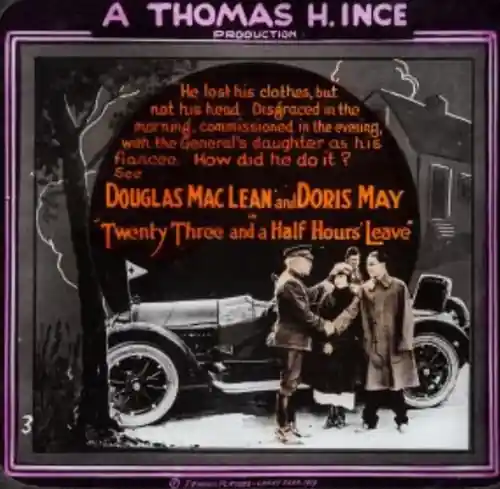
However, the stakes quickly escalate beyond a mere breakfast engagement. The film deftly introduces a darker, more suspenseful element with the arrival of enemy spies, whose nefarious objective is to infiltrate the training camp. This subplot skillfully elevates the narrative from a simple comedic romp to a more complex interplay of personal ambition and national security. The collision of Gray's seemingly trivial bet with the grave machinations of covert operatives provides the film with its most compelling dynamic, transforming a lighthearted premise into an unexpected vehicle for suspense. The writers, Johnston and Rinehart, demonstrate a keen understanding of how to juxtapose these disparate elements, ensuring that neither overshadows the other but rather enhances the overall experience.
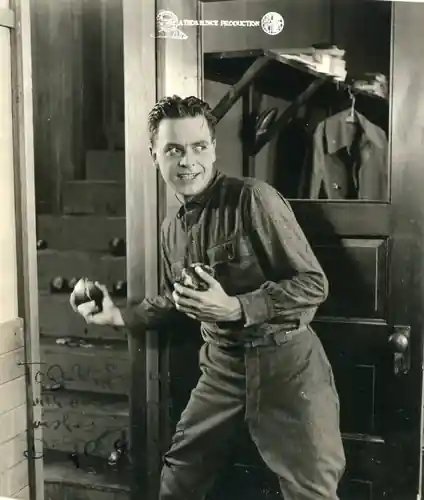
In silent cinema, the onus of conveying emotion, intent, and plot twists falls squarely on the actors' physical expressiveness and the director's visual storytelling. Douglas MacLean, as Sgt. Gray, delivers a performance that is both energetic and nuanced. His facial expressions and body language convey a character brimming with an almost infectious confidence, yet capable of quick thinking when confronted with unexpected challenges. He manages to project both the brashness of a young soldier and the underlying intelligence required to outwit his adversaries. This dual portrayal is crucial to the film's success, allowing the audience to root for Gray not just as a prankster, but as a genuine hero.
The supporting cast, including Wade Boteler, Alfred Hollingsworth, and Doris May, contribute significantly to the film's texture. Boteler, likely in a role of authority, brings a gravitas that grounds Gray's more flamboyant antics, while Hollingsworth's portrayal of the general, no doubt, captures the stern yet ultimately fair demeanor expected of such a figure. Doris May, often cast in roles that required charm and wit, would have provided a romantic interest or a catalyst for some of Gray's more elaborate schemes. The interplay between these characters, often communicated through exaggerated gestures and well-timed intertitles, forms the backbone of the film's comedic and dramatic moments. The spies, played by actors like N. Leinsky, must have exuded a palpable sense of menace, creating a stark contrast to the general joviality of the training camp setting.
The pacing of '23 1/2 Hours' Leave' is another noteworthy aspect. Silent films, particularly those from this period, often exhibited a briskness that might surprise modern viewers accustomed to more languid narrative development. The director, whose vision guides the film, ensures that the plot moves along with purpose, building tension through escalating complications rather than drawn-out exposition. The visual gags are sharp, the suspense taut, and the resolution satisfyingly swift. This efficiency in storytelling is a hallmark of well-executed silent cinema, demanding clarity in every frame and every intertitle. It’s a stark contrast to some of the more deliberate, almost theatrical pacing seen in other films of the era, such as Judith of Bethulia, which leaned into epic scale and grand, sweeping gestures to convey its narrative weight.
Beyond the surface-level entertainment, '23 1/2 Hours' Leave' subtly explores several pertinent themes. Foremost among these is the celebration of American ingenuity and the individual's ability to thrive within, and occasionally subvert, rigid systems. Sgt. Gray, with his audacious bet and subsequent entanglement with spies, represents the archetypal American hero: resourceful, confident, and ultimately triumphant against both personal challenges and external threats. This narrative thread would have resonated deeply with audiences in the post-WWI era, a period marked by national pride and a desire for stories that affirmed strength and cleverness.
The film also touches upon the concept of duty and patriotism, albeit through a comedic lens. Gray's initial motivation is personal glory, but his actions inadvertently serve a greater purpose by exposing the spies. This accidental heroism suggests that even seemingly self-serving acts can have beneficial consequences for the collective. It’s a gentle reminder that heroism can emerge from unexpected quarters, and that vigilance, even when undertaken by a character primarily driven by a wager, remains paramount. This contrasts with more overtly patriotic or propaganda-driven films of the period, which might have depicted heroism in a far more earnest and less accidental manner. The film expertly walks this tightrope, providing genuine thrills without sacrificing its comedic foundation.
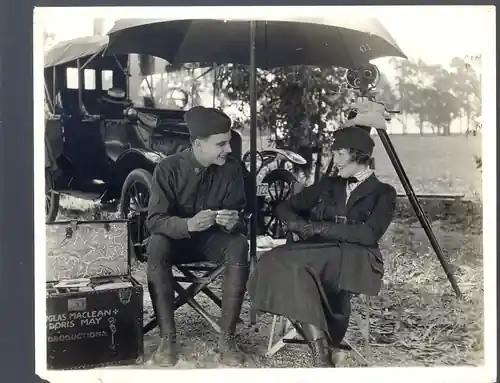
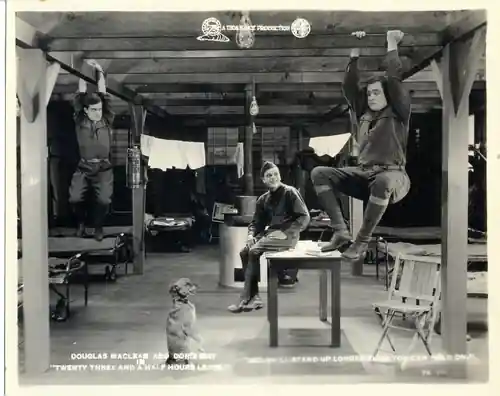
The backdrop of a military training camp, while ostensibly a serious setting, is utilized here to extract humor from the everyday absurdities of army life. The strict routines, the hierarchical structures, and the occasional bumbling of recruits all provide fertile ground for comedic situations. This lighthearted portrayal of military life differentiates it from more somber or dramatic depictions found in films like The Bugle Call, which might have explored the hardships and sacrifices of soldiers with greater solemnity. '23 1/2 Hours' Leave' instead opts for a perspective that finds joy and adventure within the disciplined environment, making it an accessible and enjoyable experience for a wide audience.
The visual presentation of '23 1/2 Hours' Leave' is indicative of the period's cinematic techniques, yet it exhibits a certain polish that speaks to the growing maturity of the medium. The cinematography, while constrained by the technology of the time, effectively captures the bustling energy of the training camp and the more clandestine movements of the spies. Shots are composed to maximize clarity and convey information efficiently, a necessity in silent film where every visual cue counts. The use of close-ups, though perhaps not as frequent or as psychologically intense as in later films, would have been employed to highlight key emotional beats or crucial plot details, such as a spy's furtive glance or Gray's triumphant smirk.
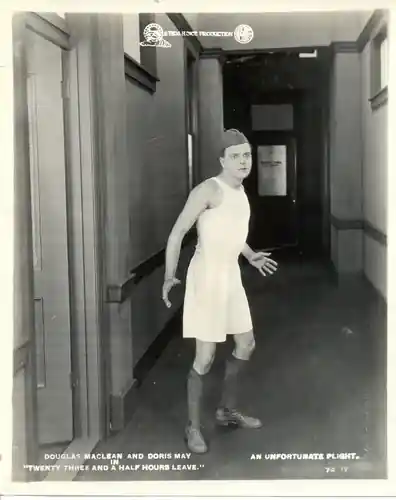
Set design and costuming also play a vital role in establishing the film's authenticity and atmosphere. The military uniforms and camp settings would have been meticulously rendered to reflect the contemporary reality, immersing the audience in the world of the film. These details, though seemingly minor, contribute significantly to the overall believability of the narrative, allowing the viewer to suspend disbelief and fully invest in Gray's predicament. The contrast between the drab, utilitarian uniforms of the soldiers and any more elaborate attire worn by civilians or the spies would have been used to subtly delineate character and societal roles.
The direction of the film, while uncredited in the prompt, would have been instrumental in orchestrating the complex interplay of comedy and suspense. A good silent film director understands the rhythm of visual storytelling, knowing precisely when to hold a shot, when to cut, and how to guide the audience's eye. The comedic timing, in particular, relies heavily on directorial precision, ensuring that gags land effectively and that character reactions are clear and impactful. The seamless transition between Gray's personal quest and the broader spy narrative is a testament to skillful direction, preventing the film from feeling disjointed or tonally inconsistent. In this regard, it shares a certain narrative finesse with other well-structured silent films of its time, even if their genres differed, such as the adventurous spirit found in Aladdin and the Wonderful Lamp, which also relied on clear visual narrative and compelling character journeys.
'23 1/2 Hours' Leave' might not be as widely recognized today as some of its more epic or critically acclaimed contemporaries, but its charm and narrative ingenuity ensure its place as a noteworthy example of early American cinema. It represents a particular moment in film history when the industry was rapidly evolving, experimenting with genre conventions, and refining the art of visual storytelling. The film's ability to blend humor, adventure, and a dash of espionage within a patriotic framework speaks to its enduring appeal and its capacity to entertain across generations.
The collaboration between Agnes Christine Johnston and Mary Roberts Rinehart is particularly significant. Rinehart, a celebrated author of her time, brought a sophisticated understanding of plot and character development to the screenplay, while Johnston's contributions would have ensured its cinematic viability. Their combined talents resulted in a script that is both engaging and structurally sound, providing a robust foundation for the film's success. This strong writing base is often what elevates a film beyond mere spectacle, giving it a resonance that lingers long after the final frame.
For enthusiasts of silent film, '23 1/2 Hours' Leave' offers a delightful experience, showcasing the talents of its cast and crew in a story that remains fresh and engaging. It serves as a reminder that even films with seemingly modest premises can achieve significant artistic and entertainment value through clever writing, spirited performances, and skillful direction. It’s a piece of cinematic history that not only entertains but also provides valuable insights into the cultural sensibilities and storytelling conventions of its era. Much like the character-driven narratives of films such as Az ösember, which often explored human nature through comedic or adventurous lenses, '23 1/2 Hours' Leave' taps into a universal appreciation for wit and resilience.
In conclusion, '23 1/2 Hours' Leave' is a vibrant, well-paced silent film that defies easy categorization. It's a comedy of errors, a patriotic adventure, and a subtle espionage thriller, all rolled into one cohesive and enjoyable package. Its charm lies in its ability to balance these disparate elements, creating a narrative that is both entertaining and surprisingly insightful. The film stands as a testament to the creative vigor of early Hollywood, proving that even a simple wager can lead to an unforgettable cinematic journey when placed in the right hands.
IMDb —
1924
Community
Log in to comment.