DbcultAccessing Vault...
5.4/10
Senior Film Conservator
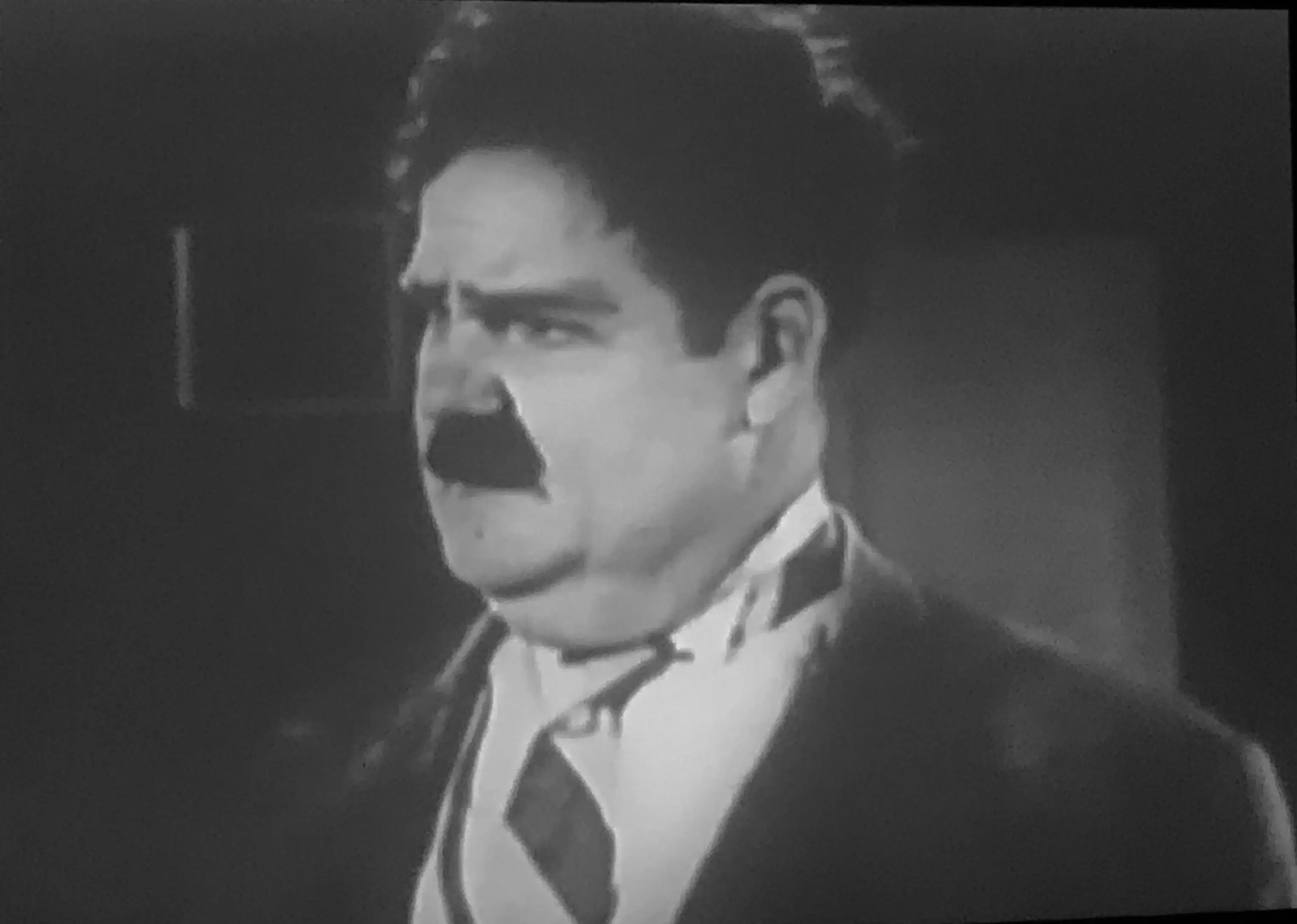
A definitive 5.4/10 rating for a film that redefined the boundaries of cult cinema. Fiddlin' Around remains a cornerstone of transgressive art.
Is Fiddlin' Around a hidden gem of the silent era? Short answer: No, it is a derivative Chaplin-clone that only stays relevant today because it features a young, pre-fame Oliver Hardy.
This film is specifically for silent film completionists and those obsessed with the evolutionary history of slapstick comedy. It is absolutely not for casual viewers who expect the sophisticated timing of Buster Keaton or the emotional depth found in Over the Hill.
1) This film works because Oliver Hardy’s physical presence and nuanced reactions provide a gravity that the rest of the production lacks.
2) This film fails because Billy West is a shameless imitator of Charlie Chaplin, mimicking his walk and mannerisms without capturing the underlying pathos.
3) You should watch it if you want to witness the "Heavy" archetype being perfected by Hardy before he transitioned into his legendary partnership with Stan Laurel.
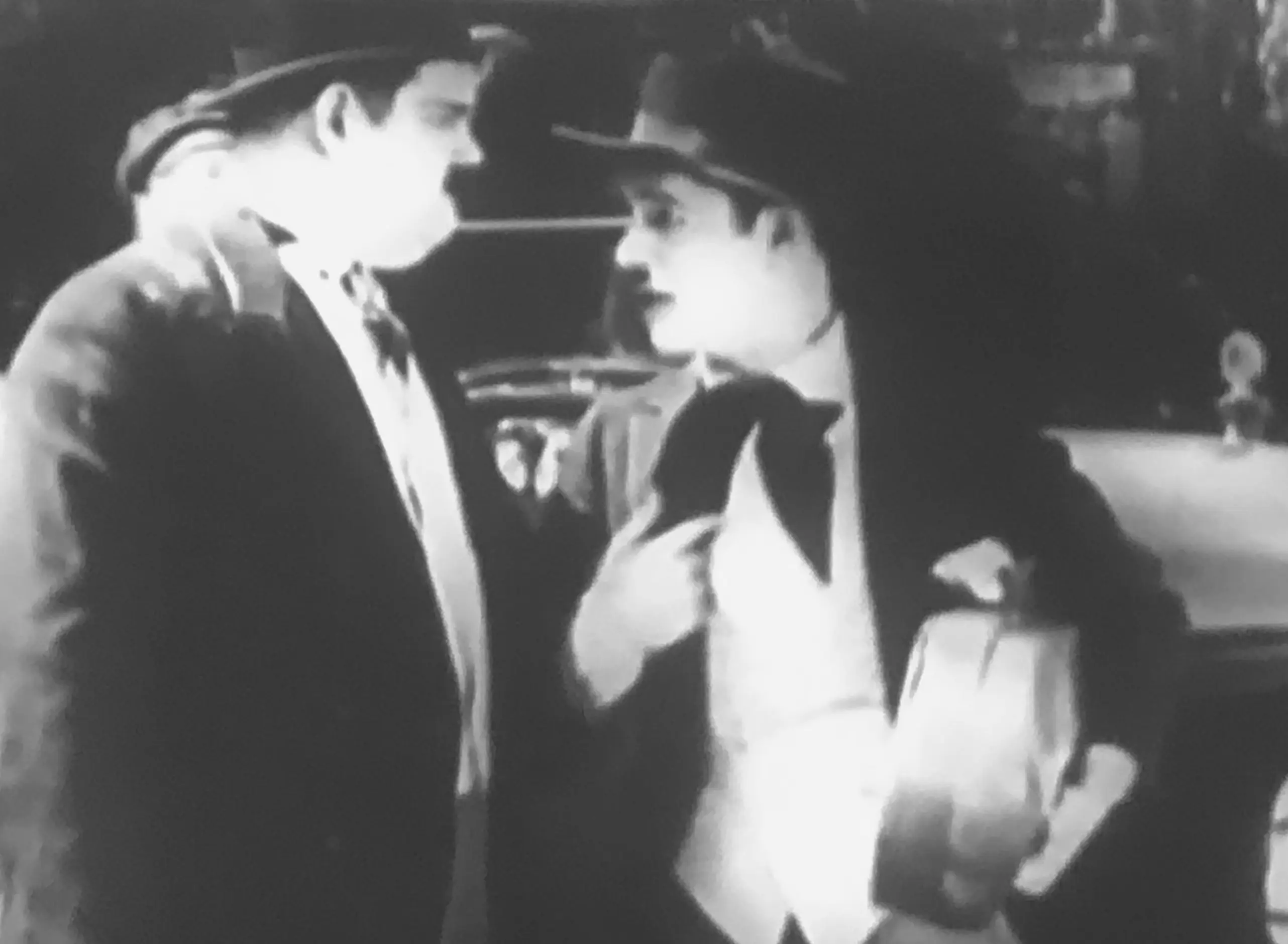
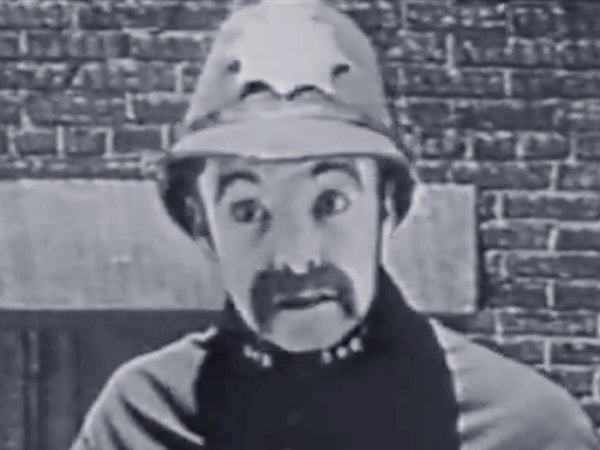
To understand Fiddlin' Around, one must first understand the "Chaplin-clone" industry of the early 1920s. Billy West was the most successful of these imitators. In this film, his performance is a carbon copy of the Tramp, from the oversized shoes to the flick of the cane. It is technically proficient but creatively bankrupt. When you compare this to the original energy of Harold Lloyd in Why Worry?, West’s performance feels like a hollow echo.
The gags are predictable. They rely on the basic physics of the era: falling over chairs, hitting people with bows, and the inevitable chase. However, there is a distinct lack of the "mechanical" genius found in other shorts of the time. It feels loose, almost improvised, which works against the musical theme of the movie. A film about a fiddler should have a rhythm, but the editing here is occasionally jarring.
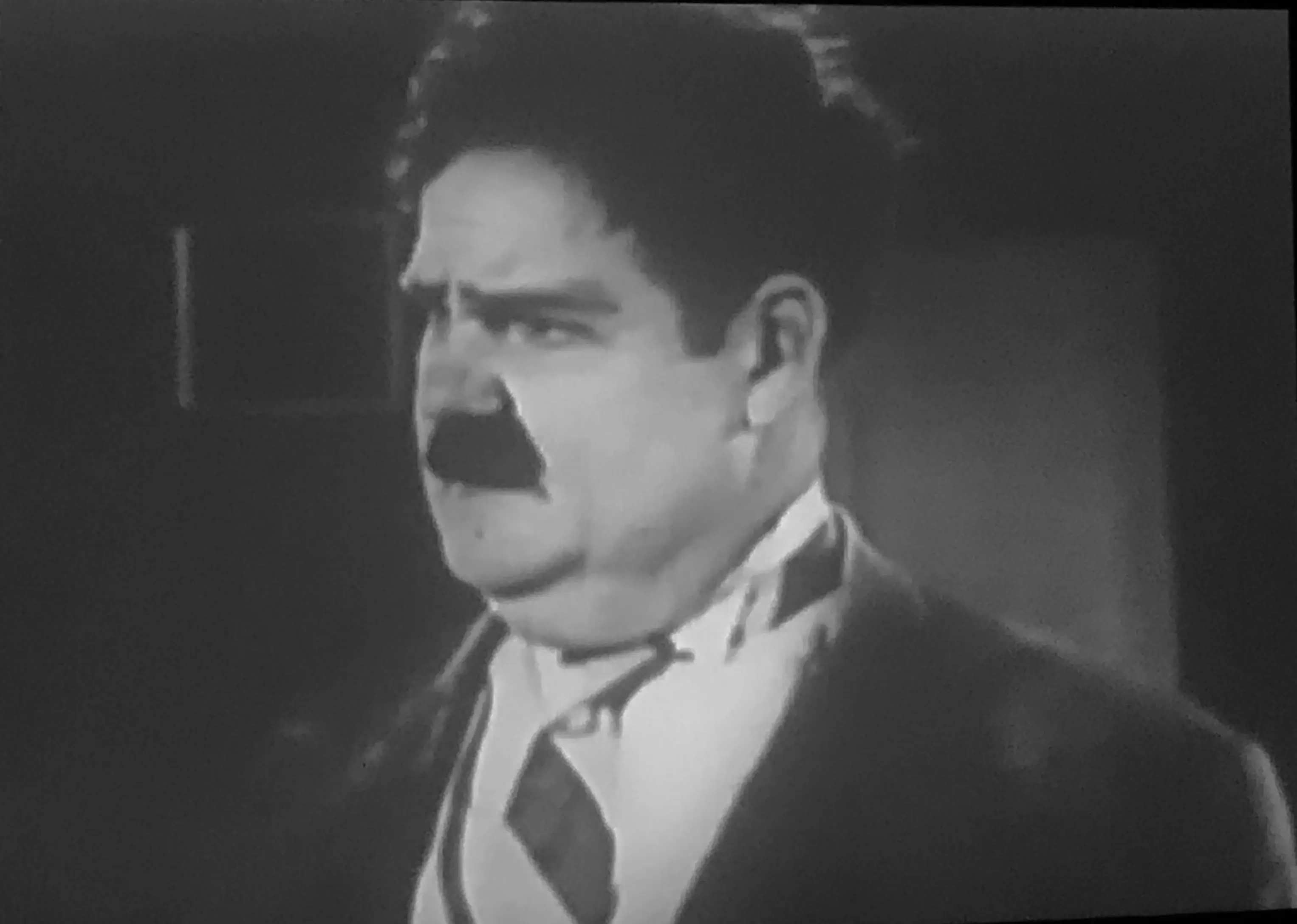
The most surprising observation one can make while watching Fiddlin' Around is how much Oliver Hardy outclasses the lead. Even in 1922, Hardy understood the power of the camera. While West is busy flailing about, Hardy uses his eyes. There is a specific scene involving a shared music stand where Hardy’s slow-burn frustration is more comedic than any of West’s acrobatics. It works. But it’s flawed because the script doesn't give Hardy enough to do.
Hardy plays the foil with a sense of dignity that makes the slapstick hit harder. When he is eventually caught in the crossfire of West's incompetence, his reaction isn't just a pratfall; it's a statement of wounded pride. This is the same DNA we see in Bill's Sweetie, where the supporting cast often carries the weight of a thin premise.
The cinematography in Fiddlin' Around is standard for the Sun-Lite or King-Bee productions of the time. There is very little camera movement, relying instead on the actors to move within the frame. Compared to the ambitious visual storytelling in Christus, this film feels trapped in a stage-bound mentality. The lighting is flat, designed to ensure every gag is visible rather than to create atmosphere.
The pacing is where the film truly struggles. Slapstick requires an escalation of stakes. Here, the "fiddling" gags peak too early. By the time we reach the final act, the audience is already accustomed to the visual vocabulary of the film. There are no surprises. It lacks the frantic, breathless energy of Live Wires or the narrative drive of Garrison's Finish.
"Billy West is a thief of style, but Oliver Hardy is a merchant of substance. The contrast between them is the only reason this film hasn't been forgotten by history."
If you are looking for a laugh-out-loud comedy that stands the test of time, the answer is no. If you are looking for a historical document that showcases the transition of silent comedy, the answer is yes. It is a fascinating look at how the industry tried to monetize the Chaplin brand through proxies.
The film is a B-movie in every sense of the word. It was made quickly, sold cheaply, and designed to be forgotten. Yet, Hardy’s presence elevates it. He is the anchor in a sea of derivative nonsense. Watching him here is like watching a great athlete playing in a minor league game. He is clearly too good for the material.
Pros:
- Oliver Hardy's performance is a masterclass in supporting comedy.
- The film provides a clear look at the 1920s boarding house aesthetic.
- Short runtime makes it an easy historical study.
Cons:
- Billy West lacks any personal identity as a performer.
- The gags are recycled from better contemporary films.
- The ending feels abrupt and unearned.
Fiddlin' Around is a mediocre short saved by a future legend. It is a testament to the fact that talent cannot be hidden, even in a cheap imitation of a better movie. Billy West may have had the costume, but Oliver Hardy had the soul. It’s a curiosity, nothing more. It works as a footnote, but fails as a feature.
IMDb —
1918
Community
Log in to comment.