DbcultAccessing Vault...
5.3/10
Senior Film Conservator
A definitive 5.3/10 rating for a film that redefined the boundaries of cult cinema. The End of the World remains a cornerstone of transgressive art.
In the realm of silent cinema, few films have managed to captivate audiences with the same level of intrigue and emotional depth as 'The End of the World' (1925). Directed by James Cruze and written by Frank Condon, James Cruze, and Thomas J. Geraghty, this cinematic masterpiece tells the story of Jack Joyce, a young mechanic with a passion for grand schemes, but lacking the means to realize them.
Jack's life takes a dramatic turn when he meets Abner Hope, a mysterious and somewhat eccentric individual, played by Alec B. Francis, who shares a shocking revelation: the world will come to an end on September 1st. This bombshell is accompanied by a substantial sum of money, Abner's life savings, which he entrusts to Jack. This newfound wealth catapults Jack into a life of luxury and influence, allowing him to pursue his dreams and connect with people he previously could only admire from afar.
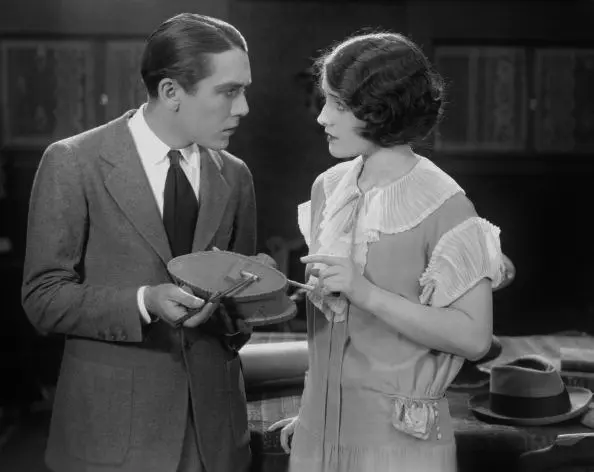
One such connection is with Curt Horndyke's daughter, played by Norma Shearer, whom Jack becomes engaged to. However, his heart belongs to Mary Ellen, Abner's granddaughter, played by Claire McDowell, creating a complicated love triangle that adds an extra layer of tension to the narrative. As the predicted apocalypse draws near, Jack must navigate these complex relationships while grappling with the existential implications of Abner's warning.
The film's exploration of human connection and fate is reminiscent of other notable silent films, such as Youth to Youth and Pay Me!, which also delve into themes of love, power, and the human condition. However, 'The End of the World' stands out for its unique blend of drama, romance, and apocalyptic intrigue.
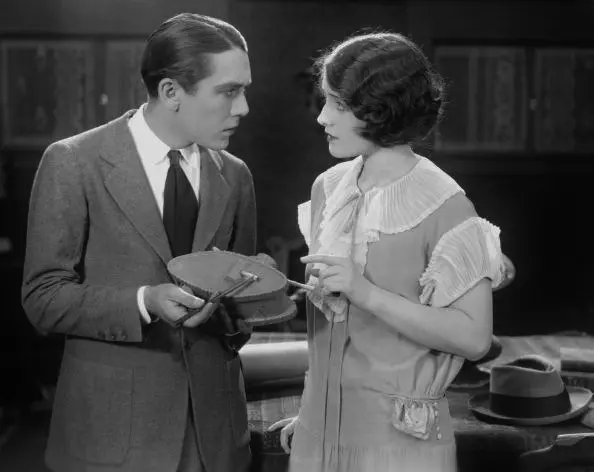
From a technical standpoint, 'The End of the World' showcases the mastery of James Cruze, who skillfully weaves together the various narrative threads to create a cohesive and engaging story. The cinematography is equally impressive, with a blend of close-ups, medium shots, and long takes that effectively convey the emotions and tensions of the characters. The performances, too, are noteworthy, with Jack Pickford delivering a memorable portrayal of Jack Joyce, the protagonist.
As the film hurtles towards its climax, the tension builds, and the audience is left wondering whether Jack and the people he cares about will find a way to escape the impending doom. The dénouement is both surprising and thought-provoking, making 'The End of the World' a film that lingers in the mind long after the credits roll.
In comparison to other films of the era, such as Heart of Gold and Madeleine de Verchères, 'The End of the World' stands out for its bold and ambitious storytelling. While films like Tin Knights in a Hallroom and Once a Plumber showcase the comedic side of silent cinema, 'The End of the World' is a more serious and contemplative work, exploring the darker aspects of human nature.
The film's themes of fate, love, and the human condition are timeless, and its influence can be seen in later works, such as The Forbidden Room and Men (1924). As a work of cinematic art, 'The End of the World' remains a masterpiece of the silent era, offering a unique and captivating viewing experience that continues to enthrall audiences to this day.
In conclusion, 'The End of the World' is a film that deserves to be rediscovered by modern audiences. Its gripping narrative, memorable performances, and technical achievements make it a standout work of silent cinema. If you're a film enthusiast or simply looking to explore the early days of cinema, 'The End of the World' is an essential watch, offering a thought-provoking and emotionally resonant experience that will leave you pondering the mysteries of the human condition.
IMDb —
1927
Community
Log in to comment.