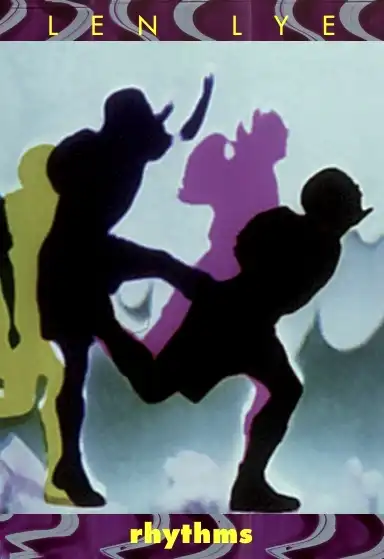
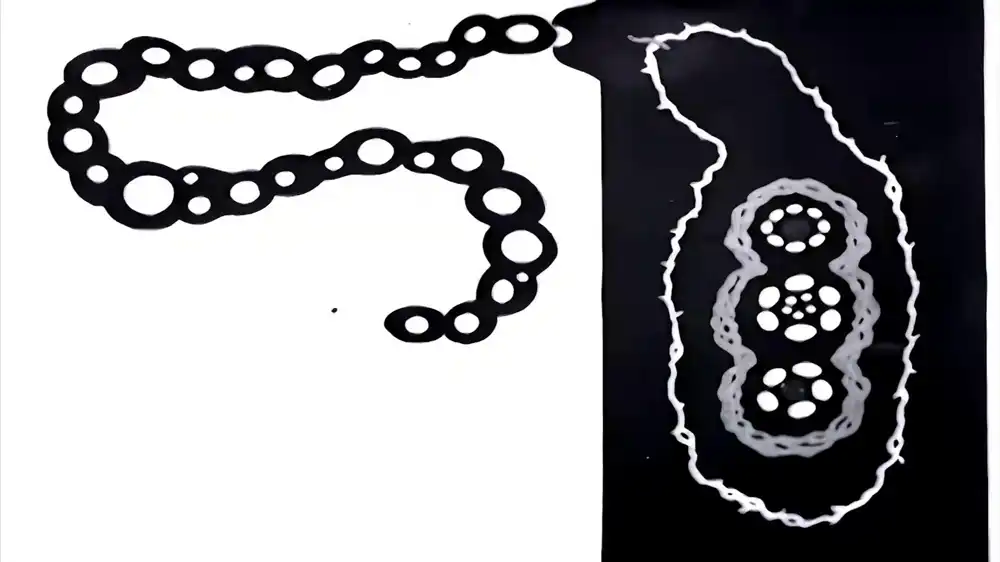
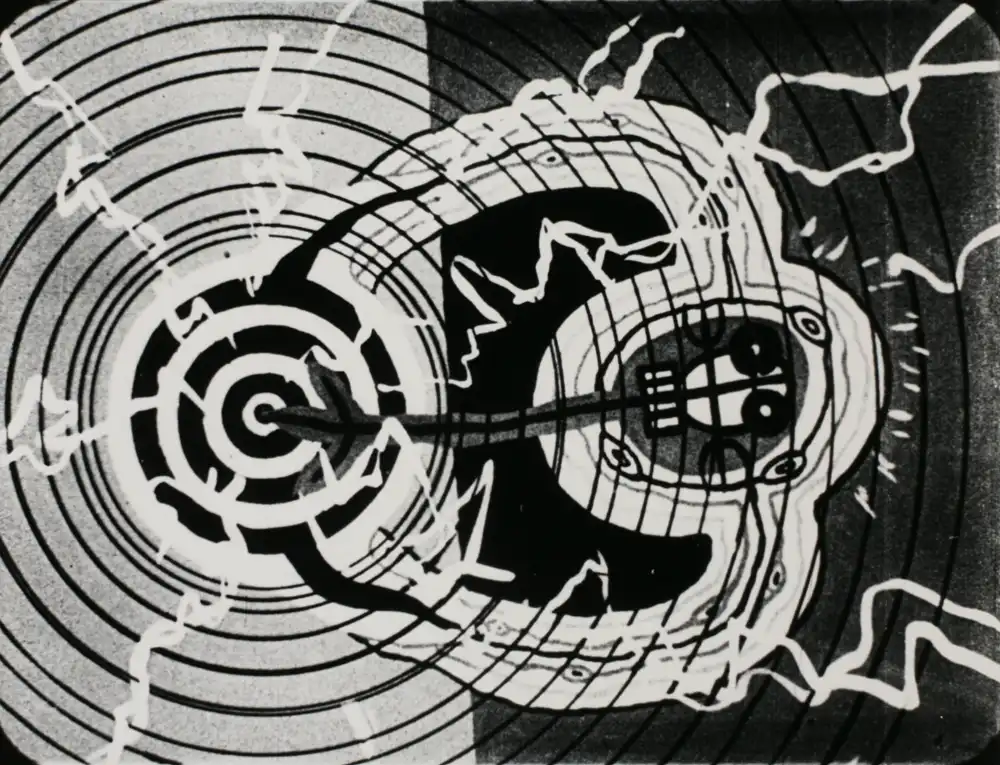
With the screen split asymmetrically, one part in positive, the other negative, the film documents the evolution of simple celled organic forms into chains of cells then more complex images from tribal cultures and contemporary modernist concepts. The images react, interpenetrate, perhaps attack, absorb and separate, until a final symbiosis (or redemption?) is achieved.
United Kingdom
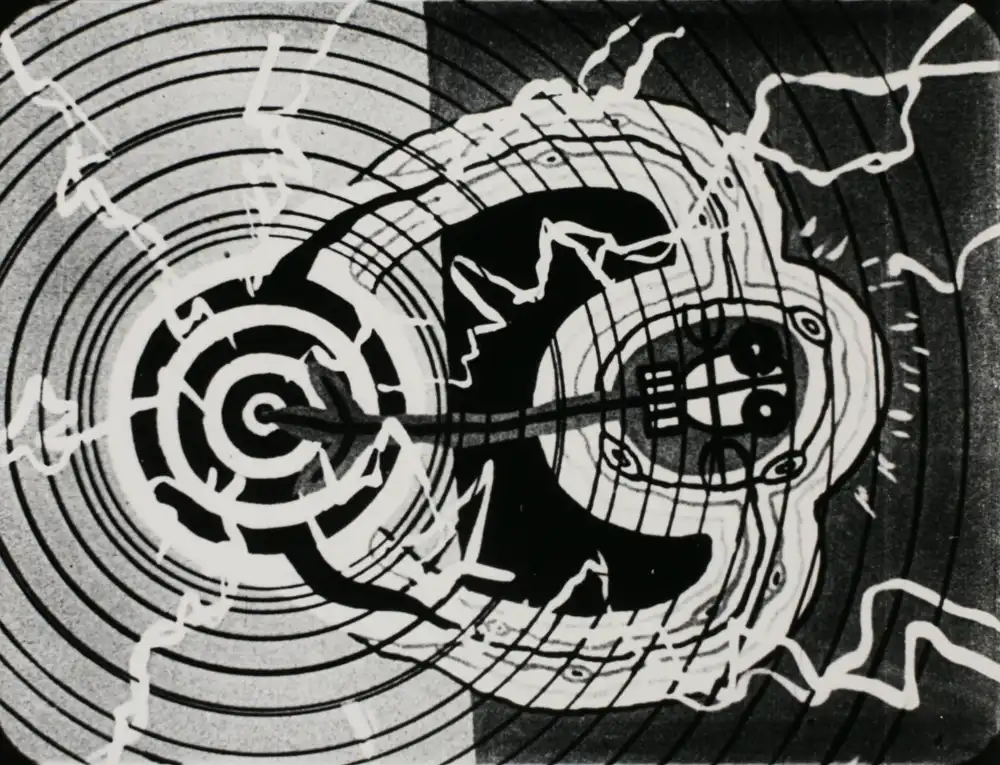
Okay, look, Tusalava from 1929? It's not a Friday night popcorn flick. Not even close. 🍿If you're into seeing animation before it was even "animation" as we know it, or if you love really early experimental art, then absolutely, give it a watch. But if you need a story, dialogue, or, you know, recognizable characters,...
still_frame
still_frame
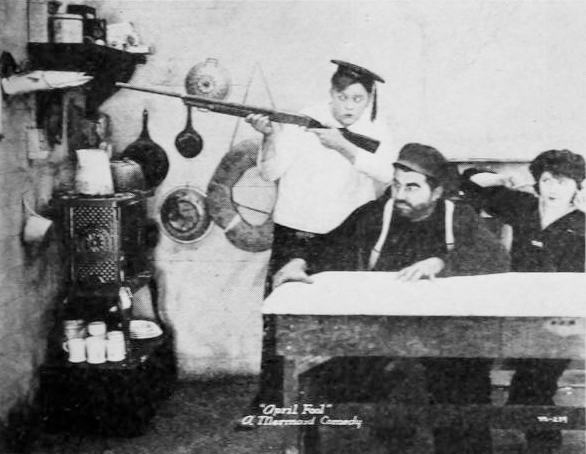
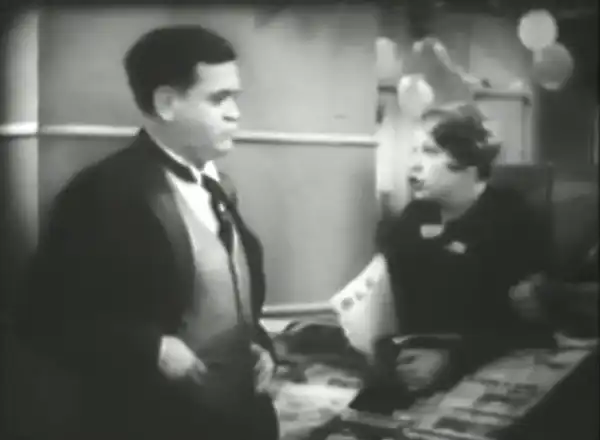
Comparing the cinematic DNA and archive impact of two defining moments in cult history.
Len Lye
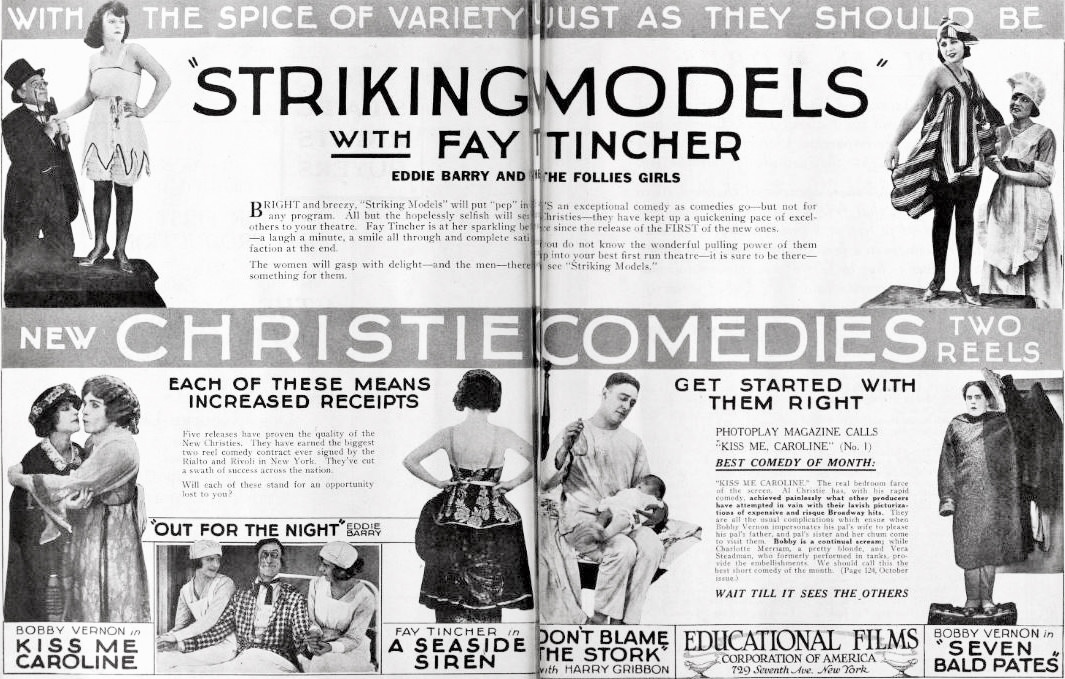
Reggie Morris
Community
Log in to comment.
"Okay, look, Tusalava from 1929? It's not a Friday night popcorn flick. Not even close. 🍿If you're into seeing animation before it was even "animation" as we know it, or if you love really early experimental art, then absolutely, give it a watch. But if you need a story, dialogue, or, you know, recognizable characters, you'll probably bounce off this one hard in the first minute. 🤯This film is wild. It's essentially shapes on a screen, but don't let that fool you. Len Lye, the guy behind it, wa..."