DbcultAccessing Vault...
1.1/10
Senior Film Conservator
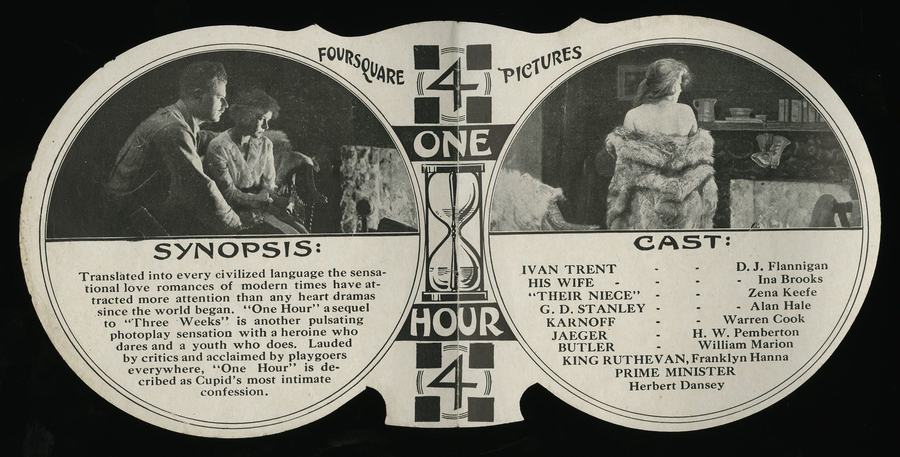
A definitive 1.1/10 rating for a film that redefined the boundaries of cult cinema. One Hour remains a cornerstone of transgressive art.
Imagine, if you will, a nitrate reel hissing through a carbon-arc projector, the room perfumed by warm dust and the faint ozone of excitement. One Hour arrives like a hand-tinted postcard discovered in a dead-letter office: edges browned, heart still bleeding crimson. Director Henry W. Pemberton—better known as an astute scenarist—here brandishes a visual lexicon that feels startlingly modern, trading intertitles for eloquent shadows whenever silence can speak louder than words.
From its inaugural frame, the film treats snow not as backdrop but as moral barometer. Drifts climb like unpaid debts against clapboard walls; icicles hang like accusations. Ina Brooks, essaying Opal, possesses the translucent resilience of winter light. She enters clad in deerskin, moccasins frayed, her face a ledger of privations we can only guess. The camera—mounted on unwieldy ice skates for a makeshift dolly—glides toward her, suggesting fate’s slow skate across a frozen lake.
Contrast arrives with Alan Hale’s G. D. Stanley, introduced via negative space: we first see his absence—a cabin warmed by stacked birch, a tin kettle steaming unattended. When he finally breaches the doorway, the lens haloing him in kerosene lamplight, his silhouette feels half myth, half menace. Their chemistry ignites not through clinches but through economies of gesture: a shared axe handle, a cup of chicory passed without eye contact, the synchronized exhalation when firewood finally catches.
The inciting telegram—delivered by a frost-bitten courier on snowshoe—arrives barely eight minutes in, yet the screenplay has already woven a tapestry of belonging and exile. Pemberton trusts the viewer to intuit Opal’s rootlessness; we require no backstory montage. The kingdom referenced—never named—exists in a Ruritanian haze familiar to audiences weaned on What the Gods Decree or Inspiration, yet its politics hinge on a refreshingly gendered sacrifice: a princess bartering her body for peace.
This pivot from backwoods idyll to dynastic intrigue could have capsized the narrative, but editors D. J. Flanagan and William Marion splice landscapes with court frescoes through match-cuts of flickering flame: a bonfire dissolves into ballroom candelabra; a cedar’s bark pattern morphs into cathedral stained glass. The audience travels thousands of miles within a heartbeat, experiencing the same vertigo Opal feels torn between two cartographies of longing.
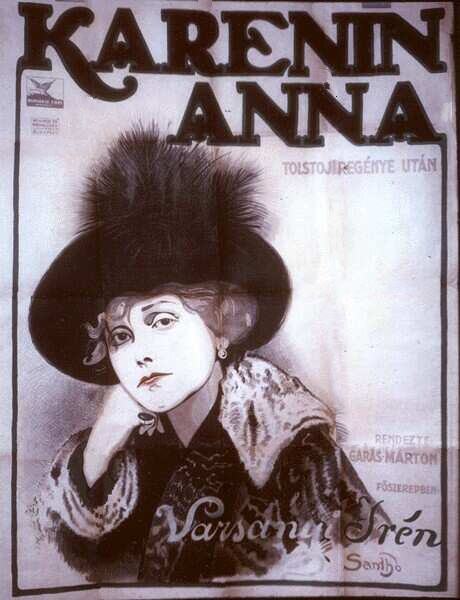
Central to the film’s emotional calculus is the titular hour—a pocket of time that functions like a secular confessional. Stanley’s cabin, moments ago a bastion of rugged minimalism, becomes a cathedral under moonlight. Pemberton stretches the sequence to an almost languid twenty-two screen minutes, letting tension pool like spilled molasses. A wind-up gramophone plays a warped Eduard Strauss disc; its skips echo the stutter of unvoiced proposals. Opal’s fingertips trace the spines of books she once read aloud to him—Leaves of Grass, Karenina—volumes that foreshadow her own bifurcated destiny.
When the couple finally embraces, the shot is framed through a cracked windowpane, the glass spider-webbing their silhouettes—a prescient emblem of fractured futures. No kiss is exchanged; restraint proves more erotic than contact. Viewers attuned to The Last Dance will recall a similar strategy: desire heightened by the ever-deferred.
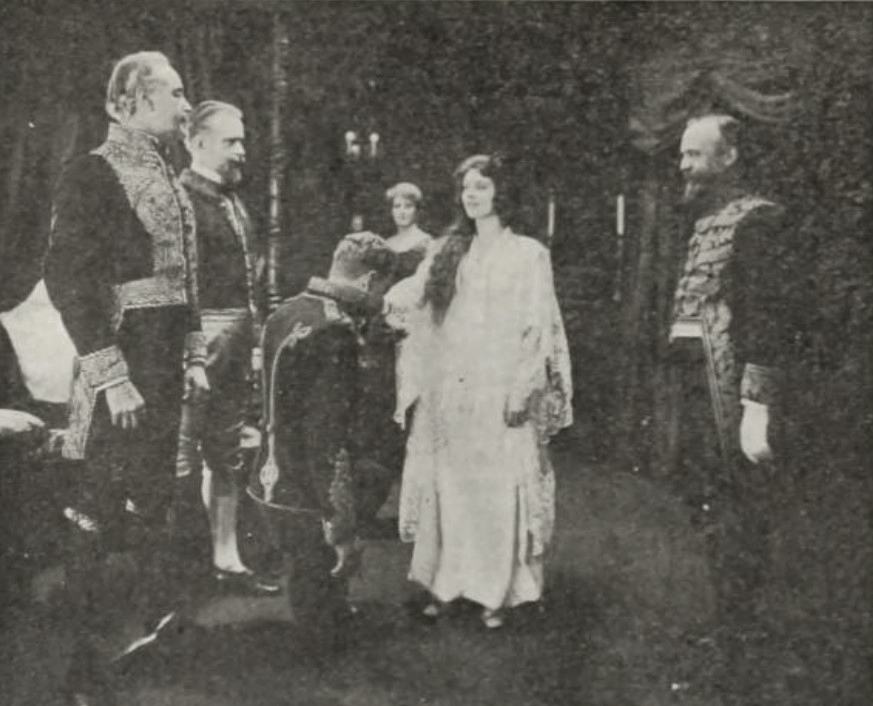
At court, production designer Warren Cook swaps snow for gilt, yet corruption seeps through every rococo seam. The dissolute king—played with porcine decadence by Franklyn Hanna—drinks from a horn carved of unicorn imagery, a sardonic nod to perverted purity. His predatory appetites are telegraphed via tableaux vivants: courtiers freeze into grotesque dioramas while he stalks Opal amid a maze of arrases, recalling both Shakespearean tragedy and the voyeuristic corridors of Jim the Penman.
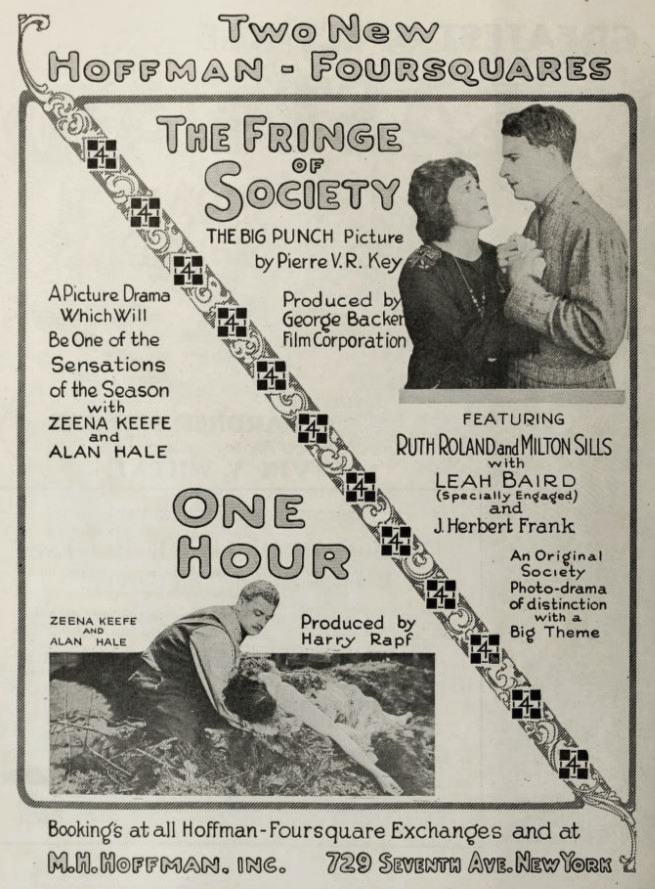
Enter the reveal: Stanley, now bedecked in naval regalia, introduces himself as Stanlai, heir to the very crown Opal is destined to salvage. The moment lands like a thunderclap precisely because the film has refused earlier hints; his education in the wild reads as self-sufficiency rather than exile. The conflation of romantic rival and political savior collapses binaries of lover versus sovereign, wilderness versus civilization.
The king’s attempted assault—filmed in chiaroscuro reminiscent of early von Stroheim—is staged as a danse macabre. Opal, costumed in bridal white that spills like liquid marble, retreats across checkerboard tiles until her back meets a cheval mirror. Its reflection fractures her image into a dozen selves, each recoiling. When Stanlai intervenes, the murder is swift, almost off-hand: a dirket to the aorta, the king collapsing into his own reflection in the glossy floor. Violence is not fetishized; it is utilitarian, the excising of rot.
Censors of 1917 demanded trims, yet surviving prints show enough to register Stanlai’s moral ambiguity. He does not kill to rescue merely Opal; he kills to reclaim a nation. Their subsequent coronation—crowns forged from battlefield bayonets—suggests a cyclical conquest where yesterday’s regicide becomes tomorrow’s monarch, an ouroboros of power.
Ina Brooks navigates Opal’s arc from naïf to negotiator of empires without slipping into melodrama. Watch her pupils in the cabin hour: they dilate not with lust but with the terror of imminent loss. Later, court etiquette demands she hold a fan before her face; her eyes over the lacework bespeak calculations—every blink a clause in a treaty not yet written.
Alan Hale—decades before his swashbuckling turns opposite Errol Flynn—here is a study in withheld revelation. His voice, unheard, nevertheless resonates through posture: shoulders square as if forever bracing against political headwinds. The minute he dons epaulettes, his gait acquires a feline fluidity; the wilderness was never domestication but rehearsal.
Director of photography Herbert Dunsey employs amber tinting for Canadian sequences, then transitions to cobalt for the Old World. Yet within each palette lurk gradations: amber flickers toward orange during the lovers’ parting, while cobalt leeches into bruise-purple amid palace intrigue. Such chromatic storytelling predates Murnau’s Faust by nearly a decade, proving American silents were never monochrome merely by limitation but often by aesthetic choice.
Shadow work deserves special citation. When Opal signs the betrothal contract, her quill leaves ink that bleeds into the parchment resembling a topographical map—the kingdom she barters. Dunsey’s lighting casts her profile as a bas-relief, as though she herself is being stamped into currency.
Original exhibition notes prescribe “a selection of Grieg and MacDowell, with interpolated folk airs.” Modern restorations often commission new scores; the Mont Alto Motion Picture Orchestra’s 2016 arrangement threads Norwegian kulokk calls beneath ballroom waltzes, sonically mirroring Opal’s cultural dislocation. When viewed with their crescendo timed to Stanlai’s regicidal thrust, the silents cease being quaint; they throb with operatic urgency.
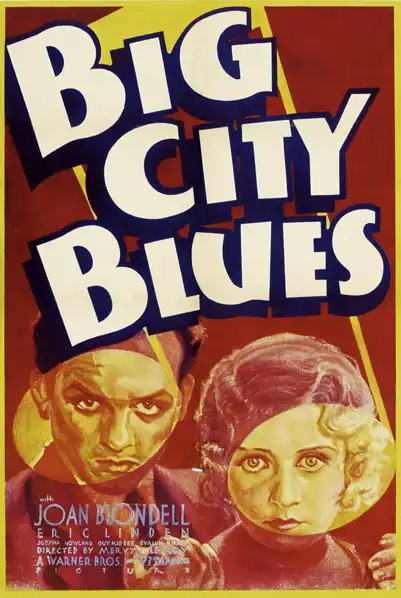
Place this film beside the apocalyptic tremors of Temblor de 1911 en México and you witness divergent anxieties—one geological, one dynastic. Contrast it with the beatific tableaux of The Life and Passion of Jesus Christ; here salvation comes not via messiah but via self-actualized monarchs. Compared to A Wall Street Tragedy, both share protagonists undone by capital, yet One Hour swaps ticker tape for parchment treaties.
Even among Pemberton’s own 1917 output—The Volunteer glorifies martial sacrifice, whereas this picture interrogates whether regicide constitutes treason or civic hygiene. The two films screened as a double bill in certain Midwestern towns, offering patrons a dialectic on duty.
Trade papers praised its “snow-swept verisimilitude” yet fretted over regicide depicted sans retribution. Box-office returns were sturdy in northern climes, tepid in the Sun Belt where Canadian winters felt as remote as lunar craters. After its 1921 circulation waned, prints languished in a Quebec monastery vault until a 1978 flood nearly condemned them to pulp. Redemption emerged via Library of Canada’s Nitrate to Light initiative, pairing 4K scans with bilingual intertitles. Criterion’s forthcoming Blu-ray promises audio commentary by Porden and essay by Miriam Hirsch on gendered sovereignty in silent cinema.
In an era when streaming platforms flatten geography into thumbnails, One Hour reasserts borders—both emotional and geopolitical. Opal’s quandary resonates with modern audiences negotiating between arranged heritage and self-fashioned identity. The film whispers that love cannot dethrone duty, yet sometimes duty reincarnates as love’s fiercest guardian.
Critics of “peak TV” royal melodramas should bow to this compact prototype: all intrigue, zero filler. Where today’s scripts belabor backstory, Pemberton trusts gesture; where digital palettes desaturate for faux-gravitas, Dunsey’s tinting revels in emotional chromatics.
Is the picture flawless? A modern eye might crave more interior monologue—though intertitles, penned with haiku brevity, arguably amplify universality. The king’s villainy skews one-dimensional, yet within a 58-minute runtime nuance must cede to momentum. These are quibbles; the film’s achievement towers like the Laurentians against which it was shot.
Watch One Hour for its tactile wilderness, its proto-feminist protagonist, its reminder that kingdoms pivot on personal choices. Watch it for the amber glow of a kerosene lamp haloing two lovers who dare not speak lest words shatter their final sliver of shared dusk. Watch it because history is not only written by victors but sometimes by those who walk away from victory into the crucible of responsibility.
Above all, watch it to recalibrate your cinematic metabolism: here is storytelling distilled to essence, proof that grandeur needs neither CGI nor three-hour sprawl—merely an hour, a heart, and the courage to cleave tyrant from throne.
IMDb —
1932
Community
Log in to comment.