DbcultAccessing Vault...
Cult Review
Senior Film Conservator
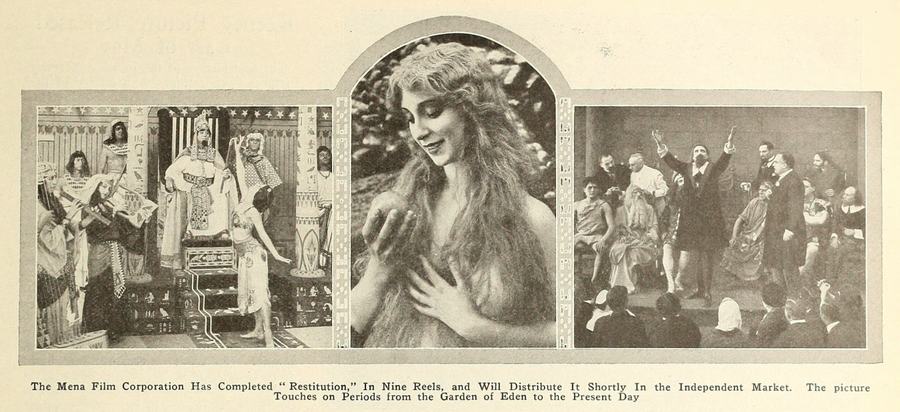
The 1918 film Restitution is a fascinating and ambitious work, tackling complex theological themes and motifs with a depth and nuance that is remarkable for its time. Directed by a group of Bible Students who formed the Mena Film Company, the movie is a testament to the power of independent cinema and the unwavering dedication of its creators. As the story begins, we find ourselves in the idyllic setting of Eden, where the first man and woman, played by Lois Gardner and Gino Corrado, embody the perfect union of humanity and divinity.
The arrival of Lucifer, portrayed by Al Ernest Garcia, marks a turning point in the narrative, as he tempts Mother Eve and sets in motion a chain of events that will have far-reaching consequences for humanity. The film's depiction of this pivotal moment is both poignant and thought-provoking, highlighting the complexities of human nature and the enduring struggle between good and evil. As the story unfolds, we are presented with a series of episodes that chronicle the ongoing battle between the forces of light and darkness, from the early days of human history to the present day.
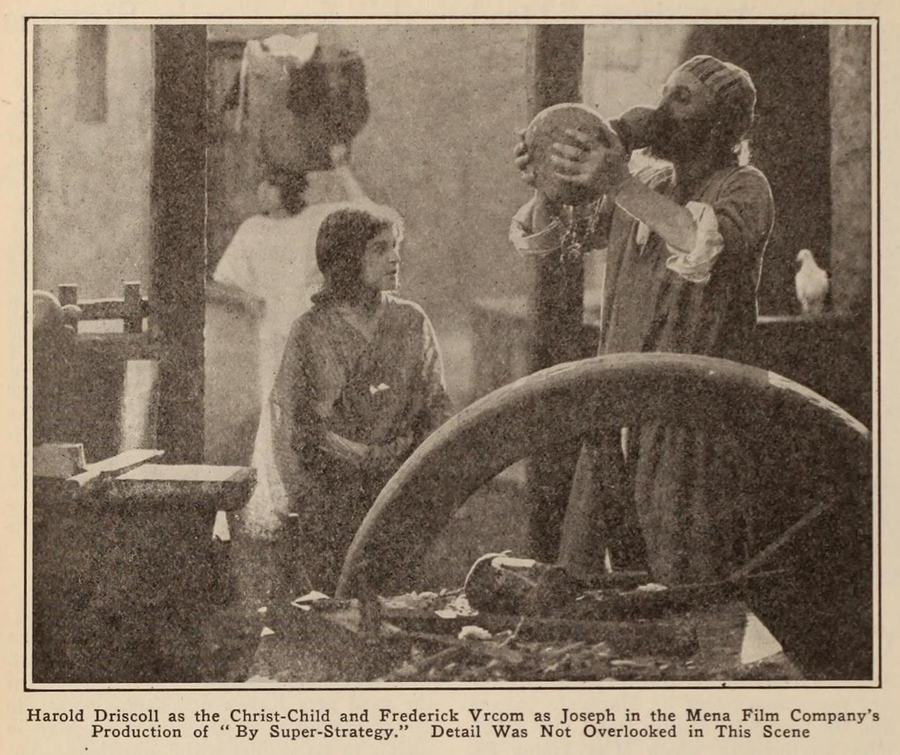
One of the most striking aspects of Restitution is its use of symbolism and metaphor, which adds a rich layer of depth and meaning to the narrative. The character of Lucifer, for example, serves as a powerful symbol of rebellion and disobedience, while the figure of Mother Eve represents the vulnerability and susceptibility of humanity to temptation. The film's use of visual motifs, such as the juxtaposition of light and darkness, also serves to underscore the themes of good and evil, and the ongoing struggle between these two opposing forces.
In comparison to other films of the era, such as The Beggar of Cawnpore and Bettina Loved a Soldier, Restitution stands out for its ambitious scope and philosophical themes. While these films may have focused on more straightforward narratives and character-driven stories, Restitution seeks to tackle some of the biggest questions of human existence, from the nature of good and evil to the ultimate destiny of humanity. This is a film that is unafraid to take risks and challenge its audience, and its willingness to engage with complex ideas and themes is a testament to the vision and creativity of its creators.
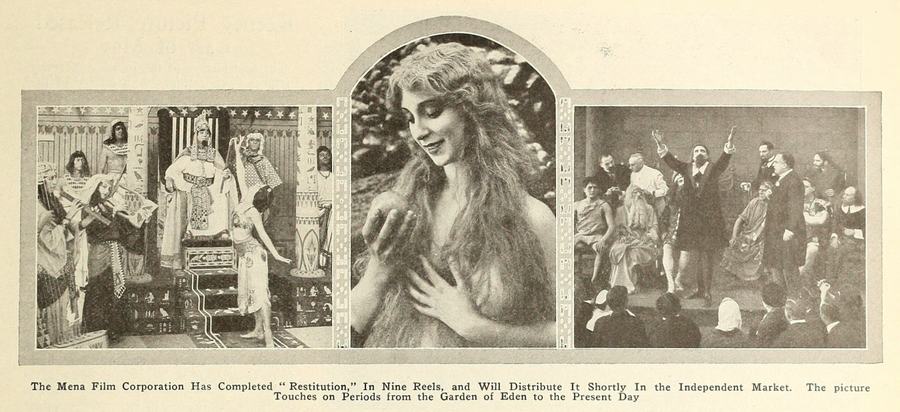
The cast of Restitution delivers strong performances across the board, bringing depth and nuance to their characters. Lois Gardner shines as Mother Eve, capturing the vulnerability and complexity of this iconic figure, while Gino Corrado brings a sense of gravitas and authority to his role as the first man. Al Ernest Garcia is equally impressive as Lucifer, bringing a sense of charisma and menace to this pivotal character. The supporting cast, which includes Mary Wise, Frederick Vroom, and Mona Lisa, adds to the richness and diversity of the film, bringing a range of perspectives and experiences to the narrative.
From a technical standpoint, Restitution is a remarkable achievement, considering the limited resources and technology available at the time. The film's cinematography, which makes use of a range of visual motifs and symbolism, is particularly noteworthy, capturing the beauty and majesty of the natural world. The editing is also impressive, weaving together a complex narrative that spans multiple episodes and storylines. While some of the special effects may appear dated by modern standards, they add to the film's charm and nostalgia, serving as a reminder of the ingenuity and creativity of the filmmakers.

In conclusion, Restitution is a film that is both a product of its time and a work of enduring relevance and significance. Its exploration of complex theological themes and motifs, combined with its ambitious scope and philosophical ideas, make it a must-see for anyone interested in the history of cinema or the study of religion and philosophy. While it may not be as well-known as some other films of the era, Restitution is a hidden gem that deserves to be rediscovered and appreciated by a new generation of film enthusiasts and scholars. As a work of cinematic art, it continues to inspire and challenge audiences, offering a powerful and thought-provoking meditation on the human condition and our place in the world.
For fans of silent cinema, Restitution is a must-see, offering a unique glimpse into the artistic and cultural values of the time. Its use of symbolism and metaphor, combined with its exploration of complex themes and ideas, make it a film that will resonate with audiences today, just as it did when it was first released. Whether you are a film scholar, a student of religion and philosophy, or simply a lover of cinema, Restitution is a film that is sure to captivate and inspire, offering a powerful and enduring work of art that will continue to be relevant and meaningful for generations to come.

IMDb 6.2
1931
Community
Log in to comment.