Summary
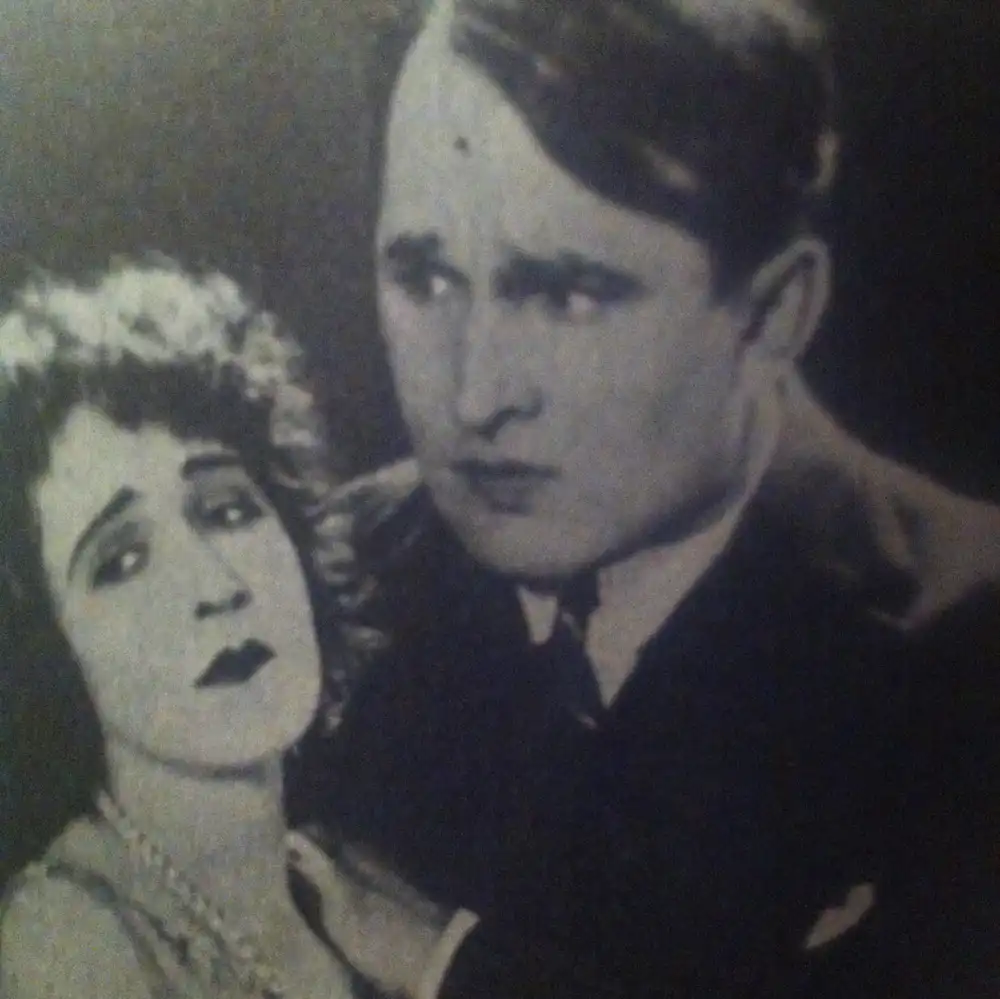
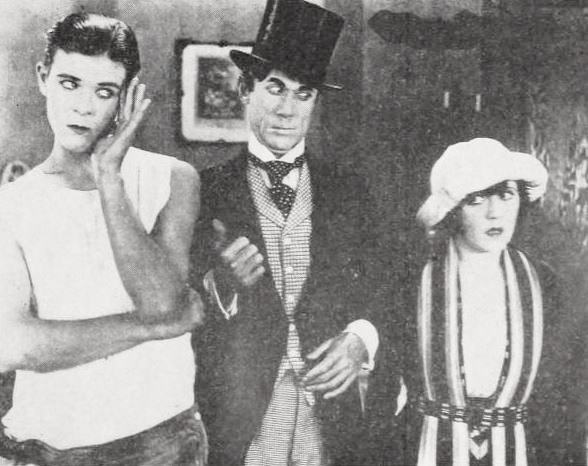
In an exquisite tableau of early cinematic melodrama, 'Twas Henry's Fault unfurls a delicate tapestry of thwarted romance and societal pressures, all meticulously tangled by the well-intentioned but profoundly inept machinations of its titular character. Eleanor Vance, portrayed with a nuanced blend of resilience and vulnerability by Elinor Field, finds herself ensnared in the gilded cage of an arranged engagement to the odious yet financially solvent Mr. Abernathy, a desperate measure to salvage her family's crumbling fortunes. Her heart, however, beats in fervent rhythm for Arthur Sterling (Harry Depp), a struggling artist whose canvases whisper of a brighter, more authentic future. Enter Henry, Arthur's cousin, a veritable vortex of good intentions and catastrophic execution. Convinced that Arthur's reticence requires a bold, secret intervention, Henry undertakes the clandestine delivery of a fervent love letter from Arthur to Eleanor. What ensues is a meticulously choreographed ballet of blunders: a mislaid missive, a rival suitor's opportunistic interception, and an ill-timed culinary mishap involving a pie, each contributing to an escalating cascade of misinterpretations. The letter, instead of uniting the lovers, casts Arthur into a shadow of impropriety and imperils Eleanor's already precarious social standing, threatening to seal her fate in a loveless union. The narrative meticulously dissects Henry's 'fault' – his earnest but utterly disastrous attempts to play Cupid, which instead unleash a torrent of social chaos and romantic despair, forcing the protagonists into a desperate race against time to unravel the knot of misunderstandings before love, reputation, and financial stability are irrevocably lost.
Review Excerpt
"
The Enduring Charm of 'Twas Henry's Fault: A Deep Dive into Early Cinematic Misadventure
In the annals of early cinema, where narratives often hinged on grand gestures and dramatic reversals, G. Austin Gench's 'Twas Henry's Fault emerges as a delightful, if at times agonizing, study in the butterfly effect of well-intentioned blunders. This picture, a curious artifact from an era when the language of film was still finding its voice, offers a compelling glimpse into the societ..."