DbcultAccessing Vault...
4.4/10
Senior Film Conservator
A definitive 4.4/10 rating for a film that redefined the boundaries of cult cinema. Grit remains a cornerstone of transgressive art.
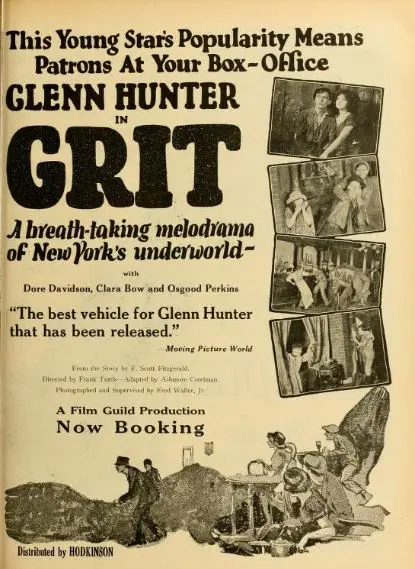
The 1924 film Grit is a poignant and thought-provoking exploration of the human condition, delving into the complexities of redemption, love, and the struggle to escape the confines of a tumultuous past. Directed by Frank Tuttle, this silent drama features a talented cast, including Clara Bow and Glenn Hunter, as the two protagonists, Orchid McGonigle and 'Kid' Hart, who find themselves at the forefront of a battle to redefine their lives and create a better future for themselves.
As the story unfolds, we are introduced to the harsh realities of gang life, where the lines between right and wrong are constantly blurred, and the threat of violence lurks around every corner. It is within this unforgiving environment that 'Kid' and Orchid must navigate their way, confronting the pressures of their past and the uncertainties of their future. With the weight of their experiences threatening to define them, they must summon the strength to break free from the shackles of their former lives and forge a new path, one that leads them toward happiness and away from the darkness of their past.
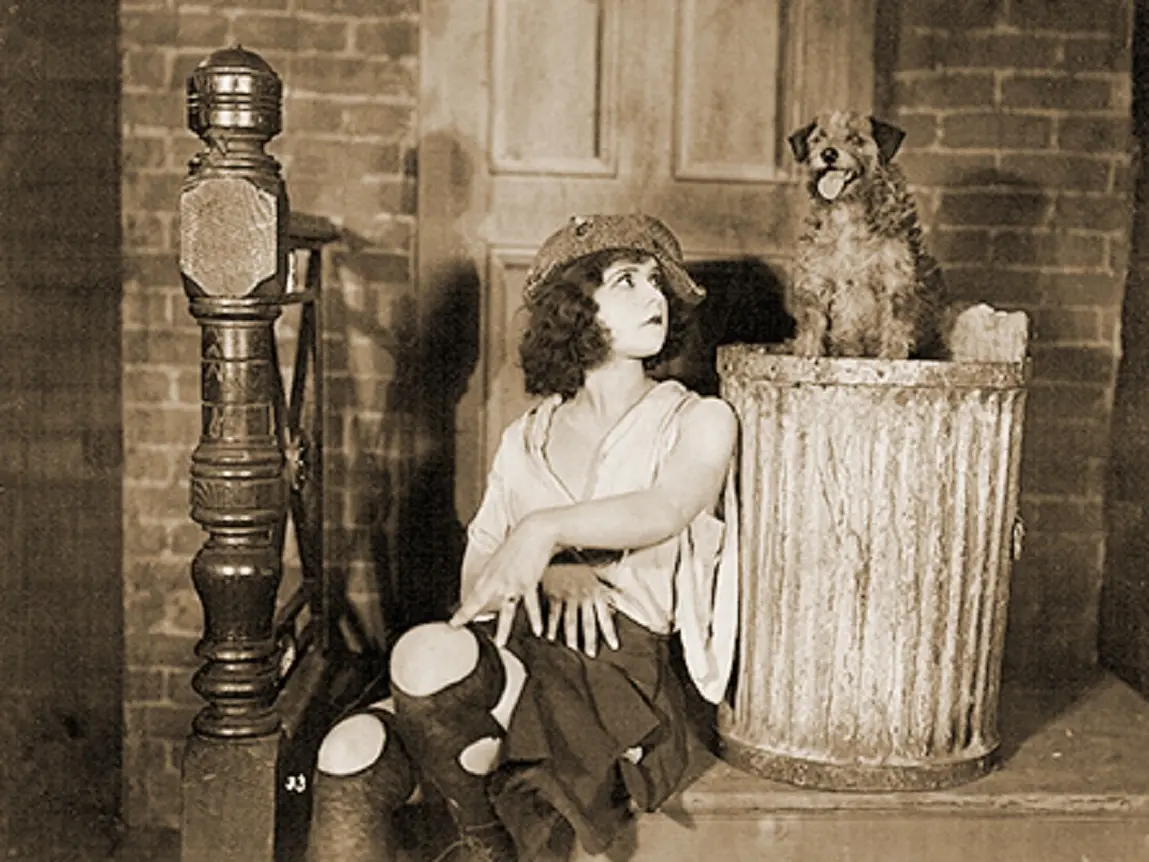
The on-screen chemistry between Clara Bow and Glenn Hunter is undeniable, as they bring to life the complex and often tumultuous relationship between Orchid and 'Kid'. Their performances are fraught with emotion, conveying the depth of their characters' struggles and the intensity of their feelings for each other. As the narrative progresses, we are drawn into their world, becoming invested in their journey and eager to see them overcome the obstacles that stand in their way.
One of the most striking aspects of Grit is its thought-provoking commentary on the societal issues of the time. The film sheds light on the harsh realities of poverty, crime, and the struggles of the working class, highlighting the need for reform and the importance of providing support to those in need. Through the characters of 'Kid' and Orchid, we see the human side of these issues, and the film's portrayal of their struggles serves as a powerful reminder of the importance of empathy and understanding.

In comparison to other films of the era, such as The Swamp and Das törichte Herz, Grit stands out for its unflinching portrayal of the harsh realities of urban life. While films like The Beggar Prince and The Lucky Number may have touched on similar themes, Grit delves deeper, providing a more nuanced and thought-provoking exploration of the human condition.
The cinematography in Grit is also noteworthy, with the use of shadows and lighting creating a sense of tension and foreboding. The film's visual style is reminiscent of other classics of the era, such as The Purple Lily and Her Reckoning, and serves to enhance the overall mood and atmosphere of the film.
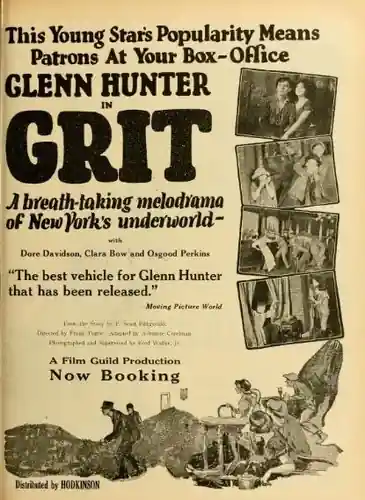
In addition to its technical merits, Grit is also notable for its historical significance. As a product of the silent era, the film provides a fascinating glimpse into the cinematic landscape of the 1920s, and its influence can be seen in later films, such as Little Speck in Garnered Fruit and Just Out of College. The film's themes of redemption and personal struggle also resonate with modern audiences, making it a timeless classic that continues to captivate viewers to this day.
In conclusion, Grit is a powerful and thought-provoking film that explores the complexities of the human condition. With its talented cast, striking cinematography, and historical significance, it is a must-see for fans of silent cinema and anyone interested in exploring the cinematic landscape of the 1920s. As a testament to the enduring power of film, Grit remains a gripping and emotionally charged drama that continues to captivate audiences with its poignant portrayal of redemption, love, and the human struggle to overcome adversity.

The film's influence can also be seen in other classics of the era, such as One Law for All and Solomon's Temple, which also explored themes of redemption and personal struggle. The use of symbolism and metaphor in Grit is also reminiscent of films like Dr. Jekyll and Mr. Hyde and Garden of Lies, which also used visual motifs to convey complex themes and ideas.
The performances in Grit are also worthy of note, with Clara Bow and Glenn Hunter delivering standout performances as the two protagonists. Their chemistry on screen is undeniable, and their portrayals of Orchid and 'Kid' are both nuanced and emotionally charged. The supporting cast, including Helenka Adamowska and Osgood Perkins, also deliver strong performances, adding depth and complexity to the film's narrative.
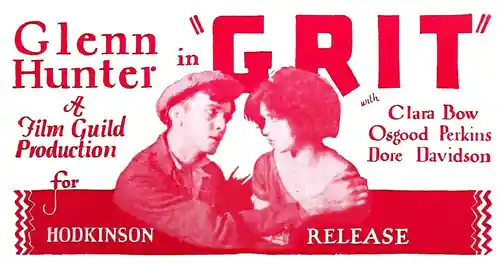
In terms of its place within the cinematic landscape of the 1920s, Grit is a significant film that reflects the social and cultural attitudes of the time. The film's portrayal of urban poverty and crime is a commentary on the social ills of the era, and its exploration of themes such as redemption and personal struggle resonated with audiences of the time. The film's influence can also be seen in later films, such as A Yankee Go-Getter and Az aranyember, which also explored similar themes and ideas.
Overall, Grit is a powerful and thought-provoking film that explores the complexities of the human condition. With its talented cast, striking cinematography, and historical significance, it is a must-see for fans of silent cinema and anyone interested in exploring the cinematic landscape of the 1920s. As a testament to the enduring power of film, Grit remains a gripping and emotionally charged drama that continues to captivate audiences with its poignant portrayal of redemption, love, and the human struggle to overcome adversity.
The film's use of visual motifs and symbolism is also noteworthy, with the use of shadows and lighting creating a sense of tension and foreboding. The film's visual style is reminiscent of other classics of the era, such as The Man with the Twisted Lip, and serves to enhance the overall mood and atmosphere of the film. The cinematography in Grit is also significant, as it reflects the social and cultural attitudes of the time and provides a fascinating glimpse into the cinematic landscape of the 1920s.
IMDb 6.9
1922
Community
Log in to comment.