DbcultAccessing Vault...
6.8/10
Senior Film Conservator
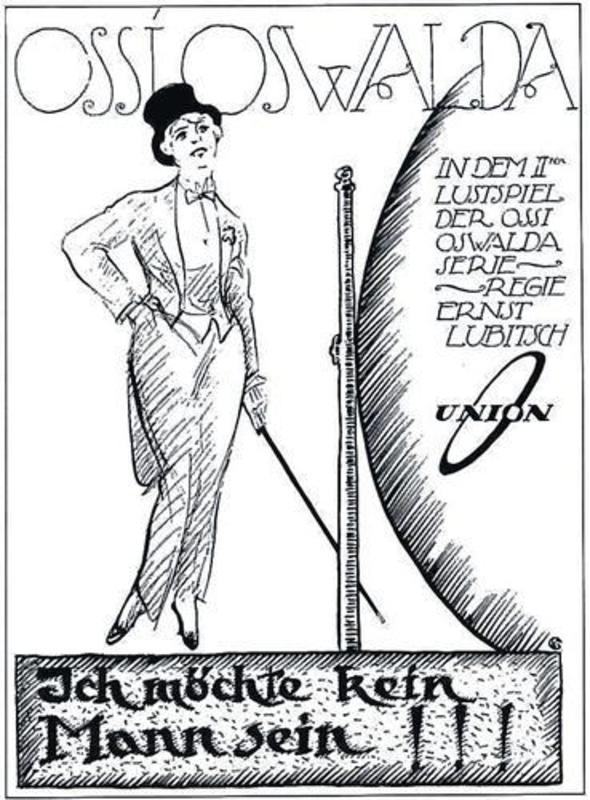
A definitive 6.8/10 rating for a film that redefined the boundaries of cult cinema. I Don't Want to Be a Man remains a cornerstone of transgressive art.
Ernst Lubitsch’s 1918 silent comedy, I Don't Want to Be a Man, stands as a vibrant testament to the director’s nascent genius and a fascinating early exploration of gender dynamics on screen. Even in this relatively early work, produced during his German period before his famed Hollywood sojourn, the unmistakable ‘Lubitsch touch’ is palpable – a sophisticated blend of wit, irony, and a light-hearted yet incisive critique of societal norms. The film, starring the effervescent Ossi Oswalda, is a delightful romp that, beneath its comedic veneer, delves into profound questions about freedom, identity, and the performative nature of gender. It’s a remarkable piece of cinema that, over a century later, still resonates with a refreshing modernity, inviting viewers to ponder the arbitrary distinctions society often imposes.
At the heart of this spirited narrative is Ossi, a young woman utterly exasperated by the suffocating conventions of her time and the relentless oversight of her strict, fastidious guardian. Her world is one of corsets, chaperones, and polite society, a realm that feels more like a gilded cage than a stage for life’s grand adventures. Ossi is a tomboy, a free spirit whose natural inclination is towards boisterous play and uninhibited expression, qualities deemed unladylike and constantly suppressed. The film beautifully establishes her frustration through a series of vignettes – her guardian’s exasperated sighs, her own defiant glances, and her restless energy that simply cannot be contained by societal expectations. This isn't merely adolescent petulance; it's a profound yearning for autonomy, a desire to experience life on her own terms, unfettered by the gendered restrictions that bind her. She observes the seemingly boundless freedom enjoyed by men – their ability to frequent cafes, smoke cigars, engage in boisterous camaraderie, and generally navigate the world with an ease denied to her. This perception fuels her audacious decision: to shed her female identity, however temporarily, and embrace the persona of a man.
Ossi Oswalda, a frequent collaborator with Lubitsch in his early German films, delivers a performance that is nothing short of captivating. Her physicality is central to the film's success; she transforms with remarkable conviction from a flustered young woman into a swaggering, albeit initially awkward, young man. Her expressive face, a hallmark of silent film acting, conveys volumes – from her initial mischievous delight in her disguise to her growing bewilderment and eventual disillusionment. She doesn't just put on men's clothes; she attempts to embody a masculine gait, posture, and even attitude, a testament to her comedic prowess and Lubitsch's astute direction. This transformation is not merely superficial; it’s an active, conscious effort to inhabit a different way of being, highlighting the performative aspects of gender long before such concepts became academic discourse. Her portrayal elevates what could have been a simple farce into a nuanced exploration of identity.
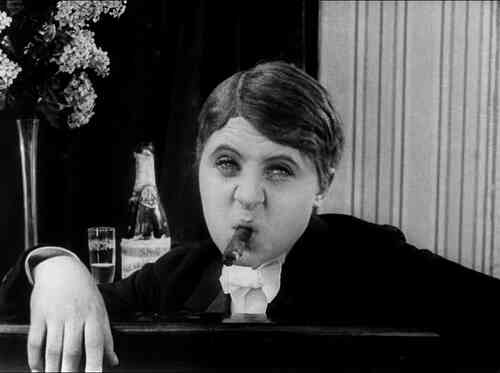
The core of the film’s narrative tension and comedic brilliance lies in Ossi’s discovery that being a man is far from the uncomplicated idyll she had envisioned. Her initial foray into masculine freedom is exhilarating – she enjoys a cigar, plays billiards, and generally partakes in the boisterous male camaraderie she so envied. However, this newfound liberty quickly reveals its own set of unforeseen complications and absurd demands. She finds herself navigating social situations she barely understands, dealing with the expectations of other men, and, most hilariously, fending off romantic advances from women who are attracted to her male persona. This unexpected twist provides much of the film’s comedic payoff, but also serves as a sharp commentary on the limitations and performative aspects inherent in *any* gender role.
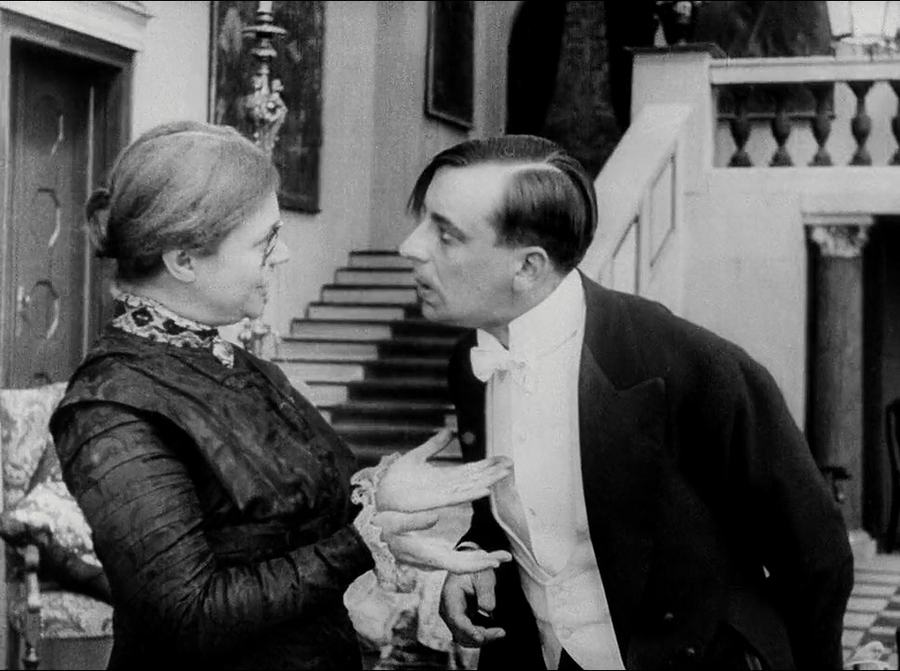
The plot thickens wonderfully when Ossi, in her male guise, encounters Dr. Kersten (Curt Goetz), a charming gentleman who becomes an unwitting participant in her charade. Their interactions are a masterclass in comedic misunderstanding and burgeoning romantic tension, executed with Lubitsch’s signature elegance and subtlety. The humor doesn't rely on slapstick but rather on situational irony, clever visual gags, and the unspoken implications of the characters’ predicaments. This is where the nascent ‘Lubitsch touch’ truly shines – the ability to convey complex emotions and sophisticated humor without explicit dialogue, relying instead on gestures, glances, and meticulously staged scenarios. The film’s exploration of mistaken identity and cross-dressing might draw comparisons to other films like The Masqueraders, which also delves into the complexities arising from characters adopting alternate personas. However, Lubitsch's film distinguishes itself with its distinctly light-hearted yet pointed social critique, focusing less on dramatic revelations and more on the comedic absurdity of societal expectations.
The irony is palpable: Ossi sought freedom from the constraints of being a woman, only to find that being a man comes with its own set of expectations and societal pressures. Her attempts to navigate these new waters lead to a series of increasingly humorous and awkward situations. The film cleverly deconstructs the notion that one gender is inherently 'freer' or less complicated than the other. Instead, it suggests that all societal roles, regardless of gender, come with their own unique set of rules, performances, and limitations. This nuanced perspective is particularly striking for a film from 1918, a period when such discussions were rarely depicted with such playful yet insightful candor on screen.
What makes I Don't Want to Be a Man enduringly relevant is its surprisingly progressive stance on gender and identity. While it operates within the comedic conventions of its time, it subtly challenges the rigid binaries that defined early 20th-century society. Ossi’s journey is not just about a girl dressing as a boy for fun; it's a quest for self-discovery and an implicit critique of the arbitrary nature of gendered expectations. The film doesn't preach, but rather invites the audience to laugh along with Ossi's predicaments, and in doing so, reflect on the absurdities of their own societal constructs. This thematic depth, woven seamlessly into a delightful comedy, is a testament to the collaborative genius of writers Hanns Kräly and Ernst Lubitsch.
As a silent film, I Don't Want to Be a Man relies heavily on visual storytelling, and in this regard, it excels. Lubitsch’s direction is precise and economical, conveying character motivations and plot developments through staging, editing, and the actors’ performances. The use of intertitles is sparse but effective, providing necessary exposition without interrupting the flow of the visual narrative. The film’s pacing is brisk, keeping the audience engaged from Ossi’s initial rebellious acts to the hilarious unraveling of her disguise. The set designs, while simple, effectively evoke the period, creating a believable backdrop for Ossi’s extraordinary adventure. The costumes, particularly Ossi’s male attire, are crucial to the narrative, not just as props but as symbols of her attempted transformation and the societal roles she is trying to inhabit.
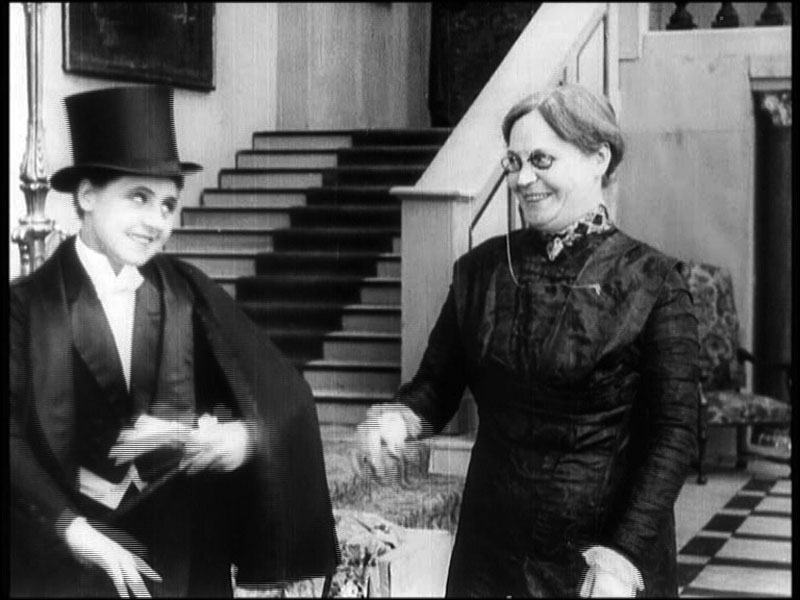
The supporting cast, including Ferry Sikla as the exasperated guardian, Curt Goetz as the charming Dr. Kersten, and Victor Janson, all contribute to the film's comedic tapestry. Their reactions to Ossi's various personas, whether as the rebellious girl or the awkward young man, provide a mirror through which her actions are reflected and amplified. The chemistry between Ossi Oswalda and Curt Goetz is particularly noteworthy, building a believable, if unconventional, romantic tension that transcends the gender-bending premise. Their scenes together are imbued with a delightful charm and a hint of playful flirtation, characteristic of Lubitsch's later romantic comedies.
Ultimately, I Don't Want to Be a Man is more than just a historical curiosity; it's a genuinely funny and thought-provoking film that continues to entertain and provoke discussion. It demonstrates Lubitsch’s early mastery of comedic timing and narrative construction, hinting at the sophisticated films he would later create. The film’s exploration of gender roles, while rooted in the social context of its time, possesses a universal appeal, touching upon the perennial human desire for freedom, self-expression, and the challenges of fitting into societal molds. It serves as a fascinating precursor to later films that would delve deeper into themes of cross-dressing and identity, but it does so with a unique Lubitschian charm that is all its own. Its light touch belies a sharp intellect, making it a joy to watch and a rich subject for analysis.
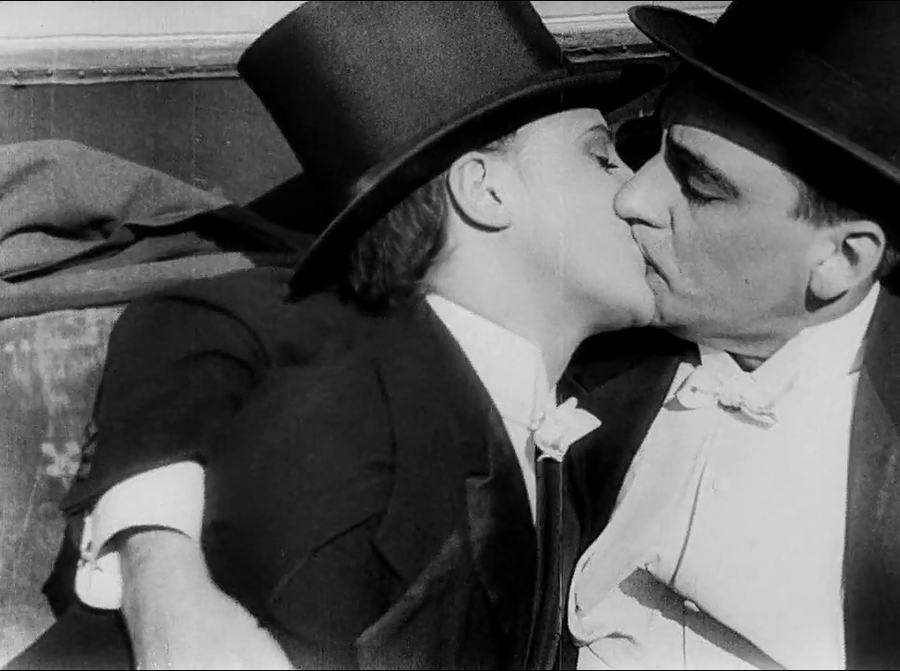
In an era where discussions about gender fluidity and identity are increasingly prevalent, a film like I Don't Want to Be a Man offers a valuable historical perspective on how these themes were approached over a century ago. It’s a testament to the enduring power of cinema to reflect and comment on the human condition, even through the lens of a silent comedy. For fans of early cinema, Lubitsch, or anyone interested in the evolution of gender representation on screen, this film is an absolute must-see. It's a reminder that truly great art can transcend its temporal boundaries, speaking to new generations with fresh relevance and undiminished wit. The film leaves the audience with a smile, but also with a subtle nudge to question the arbitrary lines we draw and the roles we are expected to play, making it a truly remarkable and timeless piece of cinematic history.
The brilliance lies not just in the premise, but in the execution. Lubitsch and Kräly craft a narrative that avoids easy answers, instead reveling in the delightful complications that arise from Ossi’s ambitious charade. The film's conclusion, while offering a resolution, doesn't negate the journey of self-discovery and the lessons learned about the intricacies of identity. It's a nuanced ending for a film that playfully tackles weighty subjects, solidifying its place as a significant, albeit often overlooked, work in both Lubitsch's oeuvre and the broader landscape of silent cinema. Its vibrant energy and insightful humor ensure that it remains a compelling watch, proving that some stories, and some directorial touches, are simply timeless.
IMDb —
1929
Community
Log in to comment.