DbcultAccessing Vault...
5.7/10
Senior Film Conservator
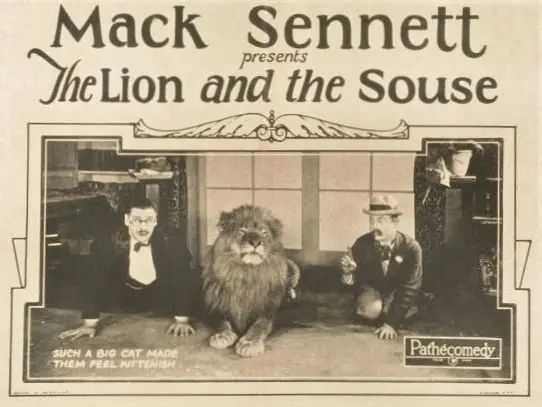
A definitive 5.7/10 rating for a film that redefined the boundaries of cult cinema. The Lion and the Souse remains a cornerstone of transgressive art.
In the annals of silent cinema, where physical comedy reigned supreme and the unspoken word conveyed volumes, there exists a particular gem that encapsulates the era’s penchant for escalating absurdity: The Lion and the Souse. This cinematic confection, a delightful romp from the minds of Jack Wagner and John A. Waldron, plunges us headfirst into a world where high-society aspirations collide spectacularly with the primal, untamed forces of nature. It's a testament to the enduring appeal of slapstick, a narrative that, despite its brevity, manages to pack an extraordinary punch of comedic brilliance, offering a satirical glance at human vanity and the unpredictable chaos that often lurks just beneath the veneer of decorum.
The premise is deceptively simple, yet pregnant with comedic potential. We are introduced to a prominent socialite, a woman of considerable means and even more considerable self-regard, who harbors an artistic ambition of the most peculiar sort. Dissatisfied with mere social prominence, she yearns for cultural immortality, deciding to produce her own 'vanity film.' This isn't just any film; it's a meticulously choreographed piece featuring herself and a coterie of other high-society women engaging in elaborate dance routines. The very concept of this self-funded, self-starring spectacle immediately sets a tone of lighthearted mockery, gently skewering the pretensions of the affluent elite. The visual of these elegantly attired ladies, perhaps more accustomed to ballroom waltzes than cinematic performance, executing their routines is inherently amusing, a delicate balance between grace and inherent awkwardness that silent film excels at capturing. It’s a spectacle of self-indulgence writ large, a cinematic mirror held up to a specific kind of societal aspiration where status and art become inextricably, and often comically, intertwined.
The stage is thus set for the grand unveiling of this magnum opus. The premiere is not merely a screening; it is a full-blown social event, an occasion for the crème de la crème to gather, to see and be seen, and, presumably, to lavish praise upon the socialite's artistic endeavors. The atmosphere is thick with anticipation, a delicate blend of polite curiosity and thinly veiled judgment. Guests mill about, their finery shimmering under the lights, their conversations a murmur of pre-show chatter. One can almost feel the hushed reverence, the collective expectation of a refined evening of cultural appreciation. This carefully constructed environment, however, is a mere house of cards, destined to be toppled by an unforeseen, and utterly primal, force. The narrative tension builds with exquisite comedic timing, a slow burn leading to an explosive release of pandemonium. It’s a classic setup: the calm before the storm, the meticulously ordered world on the brink of utter disarray.
Then, the meticulously crafted illusion shatters with a resounding, hilarious crash. Through circumstances that are either a monumental oversight or a brilliantly engineered plot device, a magnificent, formidable lion, Numa by name, finds itself liberated from its confines. The beast, a creature of raw instinct and untamed power, suddenly stalks the hallowed halls of the premiere, turning a night of cultural pretense into an unforgettable maelstrom of comedic terror. The sheer absurdity of a wild animal loose among a gathering of sophisticated socialites is the film's comedic engine, and it runs at full throttle. The reactions of the guests are priceless: initial disbelief gives way to widespread panic, transforming their elegant movements into frantic scrambles, their polite murmurs into terrified shrieks. The film excels at depicting this rapid descent into chaos, using exaggerated expressions and frenetic physical comedy to convey the utter disarray. Chairs are overturned, tables are abandoned, and the carefully curated social order dissolves into a primal scramble for survival. The lion, far from being a mere prop, becomes a central character, its lumbering movements and occasional roars punctuating the escalating hysteria. It's a masterclass in situational comedy, where the incongruity of the setting and the menace of the animal create a potent, uproarious cocktail. One cannot help but be reminded of other cinematic moments where nature's fury disrupts human constructs, though here, it's played for maximum guffaws rather than genuine suspense, perhaps akin to the unexpected creature feature elements in films like In the Python's Den, but with a decidedly more farcical bent.
The ensemble cast, a collection of silent film stalwarts, truly shines in this chaotic environment. Andy Clyde, with his distinctive comedic persona, likely plays a character caught squarely in the crosshairs of the pandemonium, his reactions a blend of bewildered terror and frantic ingenuity. His ability to convey complex emotions and execute physical gags without a single spoken word is a hallmark of his genius. Similarly, Vernon Dent, another titan of silent comedy, would have contributed significantly to the film’s madcap energy, perhaps as a bewildered authority figure or an equally panic-stricken guest whose attempts at heroism invariably lead to further disaster. The interplay between these seasoned comedians is crucial; their timing, their exaggerated reactions, and their mastery of physical humor are what elevate the film from a simple premise to a truly memorable experience. Leo Sulky and Sidney Smith, with their respective comedic talents, undoubtedly add further layers to the escalating chaos, each contributing unique facets to the ensemble's collective panic and futile attempts at control. Their presence ensures a rich tapestry of reactions to the unprecedented animal intrusion.
Charlotte Mineau, often cast as formidable or eccentric older women, would have excelled as one of the terrified socialites, her dignified composure crumbling into a most undignified scramble. The contrast of her usual screen presence with the frantic energy demanded by the plot would have been a source of much amusement. And, of course, no mention of the cast would be complete without acknowledging the true scene-stealers: Numa the Lion and Cameo the Dog. Numa, the magnificent beast itself, delivers a performance of instinctual grandeur, its very presence creating the core conflict. Cameo the Dog, a veteran animal actor, would likely have added another layer of comedic relief or even accidental heroism, navigating the chaos with a blend of canine curiosity and confusion. The inclusion of animal actors, particularly a lion, was a bold and often dangerous undertaking in early cinema, highlighting the era's willingness to push boundaries for spectacle and laughter. The supporting cast members, including Willie Hunter, George Von Elm, Barney Hellum, Elsie Tarron, Gordon Lewis, and Virginia Fox, all contribute to the rich tapestry of reactions and minor subplots that unfold during the pandemonium. Each face, each gesture, adds to the collective portrait of a society utterly undone by the unexpected, transforming a simple room into a vibrant, living tableau of comedic distress.
The brilliance of Jack Wagner and John A. Waldron's script lies in its simplicity and its relentless commitment to escalating humor. They understand the mechanics of slapstick: establish a norm, introduce an anomaly, and then watch the entire structure crumble in increasingly ridiculous ways. The writers deftly construct a narrative arc that moves from polite anticipation to utter mayhem, ensuring that each gag builds upon the last, preventing the comedy from becoming stale. Their genius is in orchestrating a symphony of chaos, where every character's reaction, every misplaced step, every terrified shriek contributes to the overall comedic effect. It's a precise art, balancing the immediate danger with the inherent absurdity, and they execute it with remarkable finesse. This approach to building tension and release through escalating incidents is a hallmark of successful comedic writing, much like the intricate plotting found in other shorts of the era, though with a distinct emphasis on physical gags over narrative complexity.
Beyond the immediate gags, The Lion and the Souse offers a subtle, yet potent, social satire. The film playfully exposes the fragility of human pretense and the often-absurd lengths to which individuals will go for validation. The socialite's vanity project, intended to elevate her status, ironically becomes the catalyst for its spectacular downfall. The lion, a symbol of wild, untamed nature, serves as a magnificent disruptor, stripping away the layers of societal artifice and revealing the raw, instinctual panic beneath. This theme resonates even today, reminding us that no matter how sophisticated our surroundings, we are still susceptible to the unexpected, and often, the utterly ridiculous. It’s a thematic thread that can be seen in more dramatic social commentaries like Greed, albeit filtered through a lens of uproarious comedy rather than stark realism. The contrast between the mundane and the extraordinary, the predictable and the utterly outlandish, is what gives this film its lasting charm and analytical depth. It suggests that while humans may build elaborate social structures, nature, or even just a particularly ill-timed animal escape, can bring them tumbling down with hilarious ease.
In terms of its place within the broader tapestry of silent cinema, The Lion and the Souse stands as a vibrant example of the era's boundless creativity and its mastery of visual storytelling. It embodies the spirit of early slapstick, where physical prowess and exaggerated reactions were paramount, and where the absence of dialogue only heightened the visual impact of the gags. Films like Flickering Youth and Hello, Judge, while perhaps different in specific comedic scenarios, share this foundational commitment to the power of the visual joke and the universal language of laughter. The ability to elicit such strong reactions without a single spoken word is a testament to the directorial skill and the performers' nuanced understanding of their craft. It’s a reminder that true comedy transcends linguistic barriers, speaking directly to our shared human experiences of surprise, fear, and ultimate amusement. The film’s lasting appeal lies precisely in its ability to transport us back to a time when cinematic magic was simpler, yet no less profound in its ability to entertain and provoke thought.
The visual direction of The Lion and the Souse, while perhaps not groundbreaking in its technical innovation, is supremely effective in maximizing comedic impact. The camera acts as an omniscient observer, capturing the wide shots of the fleeing crowd and the close-ups of terrified faces with equal aplomb. The editing is brisk, maintaining a rapid pace that mirrors the escalating panic, ensuring that there is never a dull moment. Each cut serves to heighten the tension or emphasize a particular gag, creating a seamless flow of comedic action. The use of space within the frame is also noteworthy; the confined setting of the premiere hall becomes a dynamic arena for the chase, the hiding, and the ultimate capture (or lack thereof) of the rogue lion. This effective visual storytelling ensures that the audience is fully immersed in the chaotic experience, laughing along with the characters' predicaments. Unlike the grander, more dramatic narratives of films such as Whom the Gods Would Destroy or The Storm, which rely on epic scope, The Lion and the Souse finds its power in the intimate, yet utterly anarchic, confines of a single disastrous event.
Reflecting on the unique charm of The Lion and the Souse, it's clear that this film, despite its age and its relatively simple premise, holds a significant place in the lineage of comedic cinema. It's a reminder of a time when laughter was forged from physical prowess, ingenious gags, and the sheer audacity of its creators. The film’s ability to take a potentially terrifying scenario and twist it into something genuinely hilarious is a testament to the enduring power of comedic alchemy. It’s not merely a historical curiosity; it’s a vibrant, living piece of cinematic art that continues to resonate with audiences who appreciate the timeless appeal of a good, old-fashioned, wildly unpredictable romp. Its influence, perhaps indirect, can be felt in countless films that pit human folly against animal instinct or societal decorum against sheer, unadulterated chaos. One might even draw parallels to the struggle against overwhelming forces as seen in dramas like The Man Unconquerable or the intricate character studies of human nature in Drama na okhote or Der Leibeigene, though here, the struggle is entirely for comedic effect. Even the dramatic tension of a story like The Deemster or the societal pressures in His Convict Bride find a comedic echo in the absurdity of the socialite's unraveling. The film's enduring legacy is a testament to its skillful execution and its understanding of universal comedic principles. It stands as a delightful artifact, a snapshot of an era, and a timeless chuckle-inducer. The juxtaposition of the refined and the raw, the planned and the spontaneous, is what makes The Lion and the Souse a truly special, and uproariously funny, cinematic experience. It’s a film that, much like the unexpected escape of its titular beast, simply refuses to be forgotten, leaving an indelible mark of joyous chaos on all who encounter it. The sheer audacity of its premise, coupled with the impeccable comedic timing of its cast and creators, cements its status as a foundational piece in the history of silent film comedy, a work that continues to roar with laughter across the decades. The film reminds us that sometimes, the most profound artistic statements are made not through grand pronouncements, but through the delightful, unscripted mayhem of a lion loose at a high-society dance. It’s a narrative that, in its own unique way, delves into the human condition, exposing our vulnerabilities and our capacity for both pretension and utter, delightful panic. And for that, The Lion and the Souse remains an essential viewing for any connoisseur of classic cinema, a joyous riot that transcends its historical context to deliver pure, unadulterated comedic bliss. The narrative, in its elegant simplicity, proves that sometimes the greatest spectacles arise from the most unforeseen and hilarious calamities, a concept also explored, albeit with different tones, in films such as Skinning Skinners, As a Man Sows, and The Other Man's Wife, demonstrating the diverse ways filmmakers have approached human predicaments. Much like the quick wit and action of Trigger Fingers, this film moves with a relentless pace, ensuring every moment is imbued with comedic energy. It is a timeless piece that continues to captivate and amuse, a true classic in every sense of the word.
IMDb 6.3
1931
Community
Log in to comment.