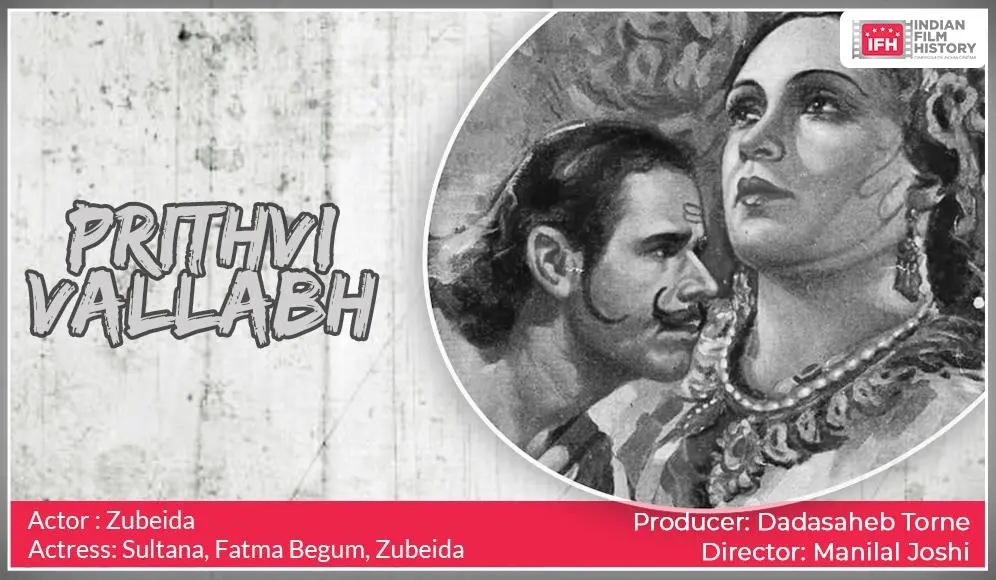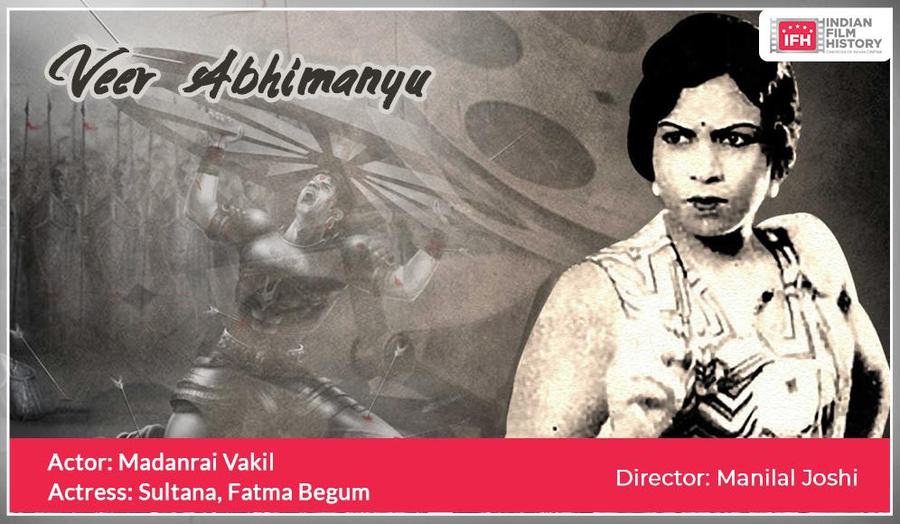
This mythological tale derives its plot from the Mahabharata tale about Abhimanyu who learns of the Chakravyuha or battle formation of the Kauravas while in the womb of his mother, Subhadra (Fatma). The film was acclaimed for its war scenes.
Glossy history books credit Ben-Hur (1925) for the chariot inferno that scorched MGM ledgers, yet a dusty 1922 reel—shot on Bombay’s open-air grounds with hand-cranked cameras—had already staged Kurukshetra’s cyclone of hooves and wheels. Veer Abhimanyu is not a mere curio; it is a prismatic wound that lets early Ind...


Comparing the cinematic DNA and archive impact of two defining moments in cult history.
Manilal Joshi
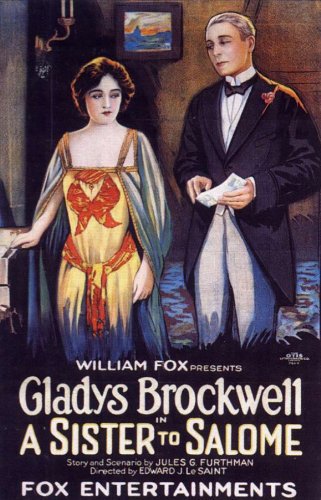
Edward LeSaint
Community
Log in to comment.
" Glossy history books credit Ben-Hur (1925) for the chariot inferno that scorched MGM ledgers, yet a dusty 1922 reel—shot on Bombay’s open-air grounds with hand-cranked cameras—had already staged Kurukshetra’s cyclone of hooves and wheels. Veer Abhimanyu is not a mere curio; it is a prismatic wound that lets early Indian cinema bleed myth into modernity. Visual Alchemy on a Shoestring Cinematographer C. G. Gokhale tilts mirrors to bounce harsh noon into chiaroscuro corridors. Elephant howdahs ..."
G. Mohanial Dave
India
Deep dive into the cult classic
Discover similar cinematic experiences
A Directorial Spotlight on Manilal Joshi