DbcultAccessing Vault...
Cult Review
Senior Film Conservator
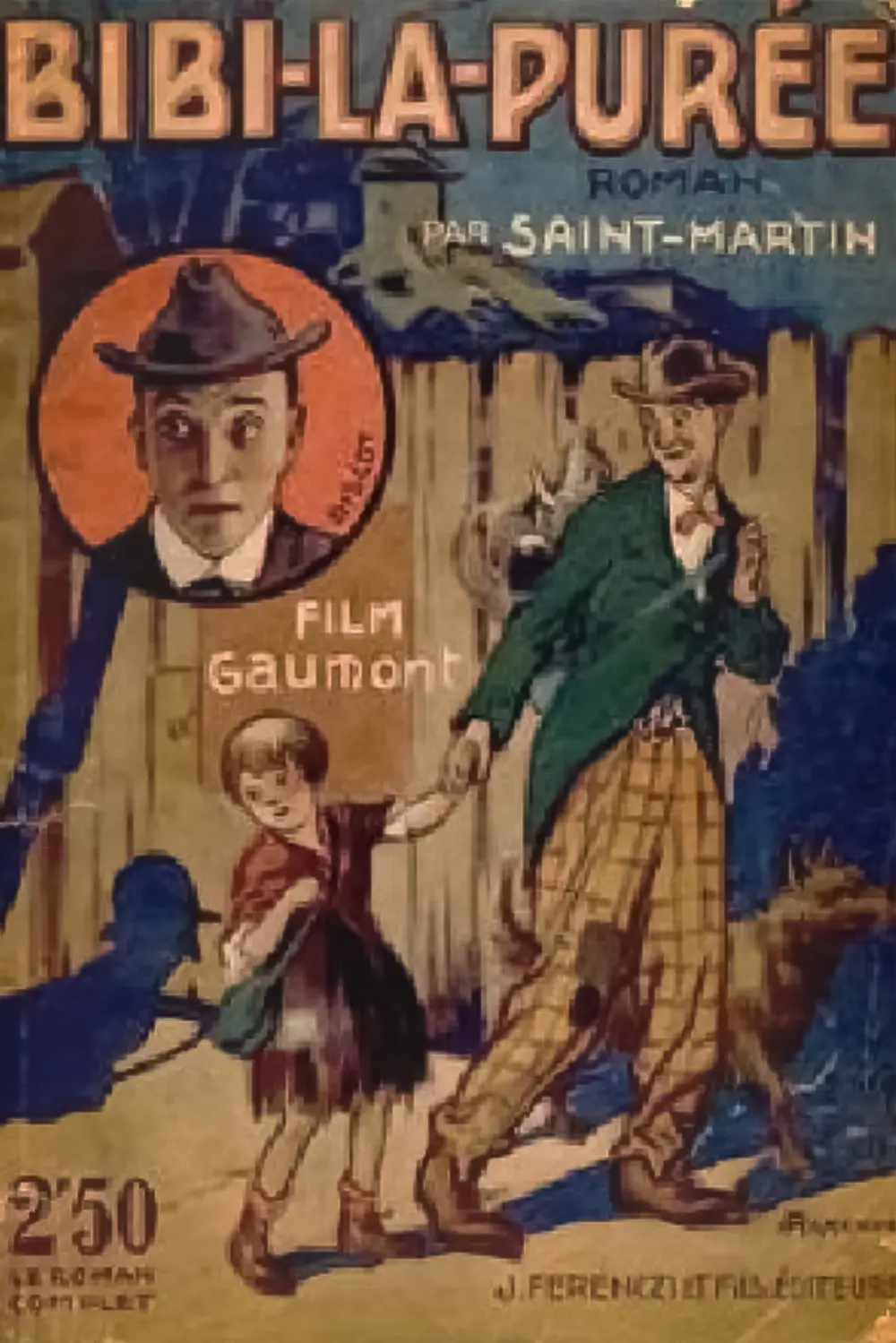
Short answer: Yes, but it’s not for everyone. Bibi-la-Purée is a powerful and unflinching look at the lives of women in 1930s Paris, especially those trapped in the seedy underbelly of society. It’s a film that demands your attention and respect, and rewards those who can appreciate its raw, unvarnished truth.
This film works because: The performances, especially by André Moreau, are captivating and nuanced. The cinematography, by Georges Biscot, is incredibly vivid, capturing the harsh realities of the time with a stark honesty. The screenplay, by Alexandre Fontanes and Mirande Mouézy-Éon, is sharp and unapologetic, providing a rich social commentary that feels both timely and timeless.
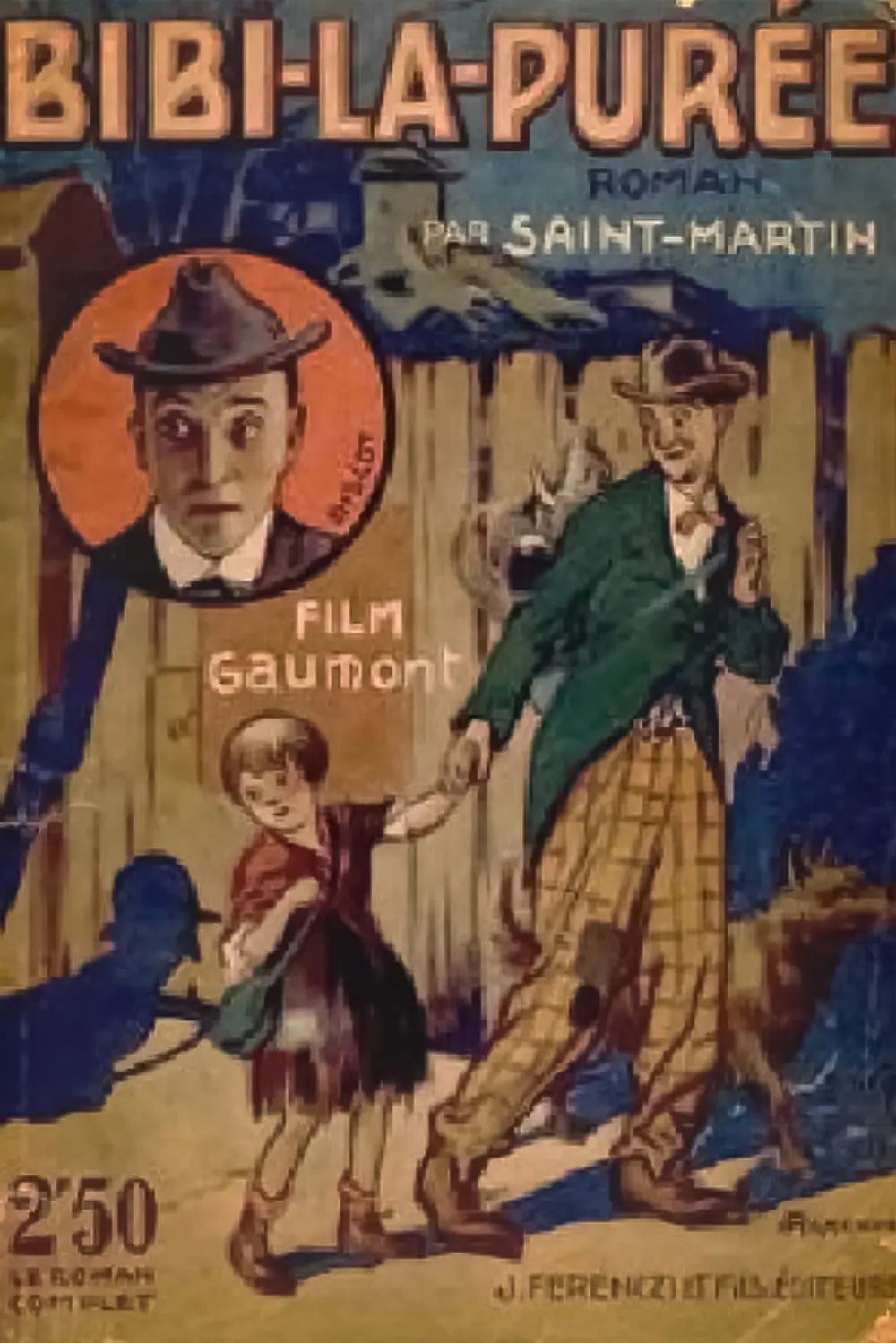
This film fails because: There are moments where the pacing can be a bit heavy, especially in the latter half of the film. The constant focus on the seedy underworld can be overwhelming, and sometimes the film’s unflinching realism can feel too harsh for some viewers.
You should watch it if: You’re interested in social realism, character-driven dramas, or stories that explore the resilience of the human spirit in the face of societal stigma and systemic oppression.
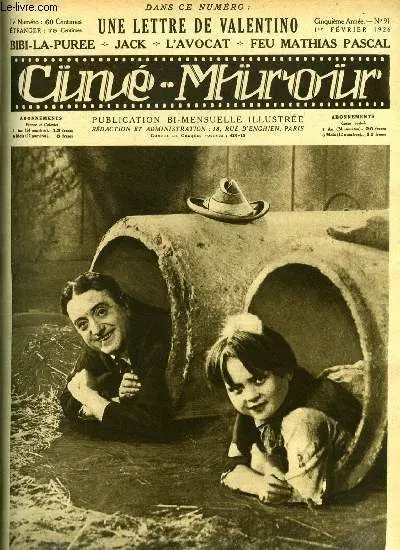
The performances in Bibi-la-Purée are standout elements of the film. André Moreau, playing Bibi-la-Purée, brings a depth and complexity to the character that is both sympathetic and morally ambiguous. Lise Jaux, as the detective, provides a strong counterpoint, and her interactions with Moreau are some of the most engaging in the film. The supporting cast, including Hélène Fax and Émile Vervet, offer memorable performances, each adding their own layer to the story.
Director André Bazin’s work is evident in the film's deep, rich cinematography. Georges Biscot’s lens captures the vibrant yet gritty streets of 1930s Paris, from the bustling markets to the dimly lit clubs. The use of natural lighting and composition adds to the film’s authenticity, making each scene feel lived-in and real. Bazin’s direction is subtle yet impactful, allowing the performances and the social commentary to shine through without overpowering them.
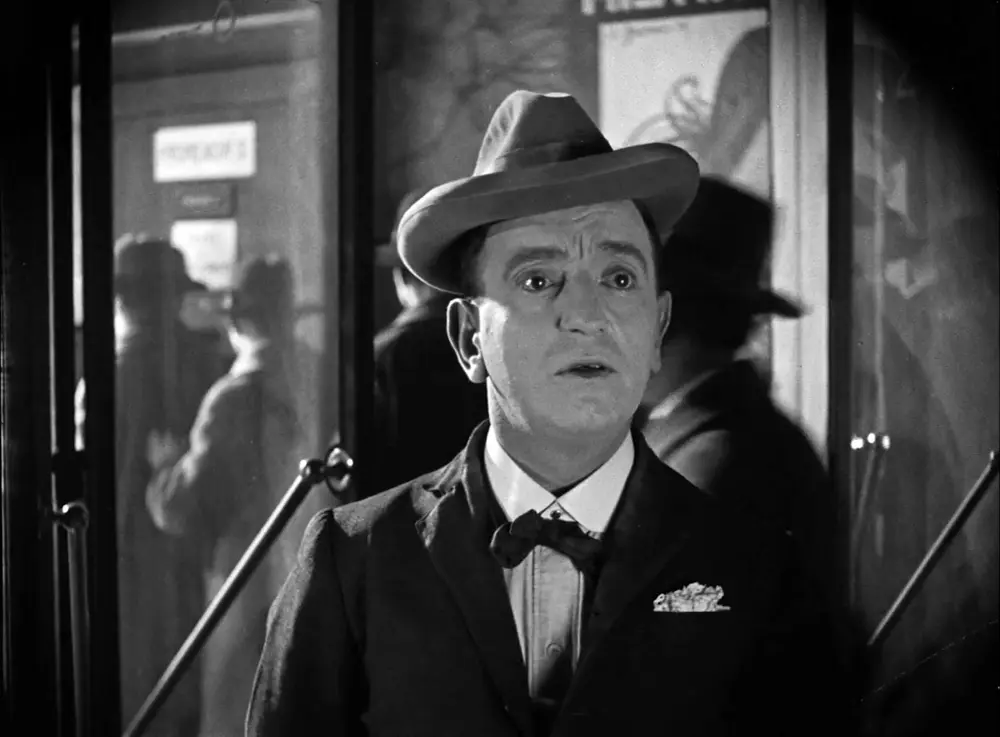
The pacing in Bibi-la-Purée can be a bit uneven. The early parts of the film are more focused on character development and setting the stage, which can sometimes feel slow. However, once the film picks up steam, it becomes a relentless exploration of the characters’ inner struggles and external conflicts. The tone is consistently dark and realistic, with moments of levity and hope amidst the bleak backdrop of the story.
While it’s not as well-known as films like Lolita or Making a Man, Bibi-la-Purée shares a similar social consciousness with these films. Like Masks and Faces, it delves into the darker aspects of human nature, but with a more grounded, realistic approach. It’s a step back from the escapist narratives of the period, offering a more direct look at the struggles and resilience of its characters.
Pros: Captivating performances, vivid cinematography, sharp social commentary, and a compelling exploration of resilience.
Cons: Uneven pacing, heavy focus on the seedy underworld, and moments that can be overwhelming due to the film’s unflinching realism.
Bibi-la-Purée is a film that demands your attention and respect. It’s not for everyone, but for those who can appreciate its raw, unvarnished truth, it’s a powerful and important work. It works because of its performances, its cinematography, and its sharp social commentary. It fails because of its sometimes heavy-handed approach and uneven pacing. But if you’re willing to invest in this film, you’ll be rewarded with a deeply insightful and emotionally resonant experience.
IMDb 6.6
1915
Community
Log in to comment.