Summary
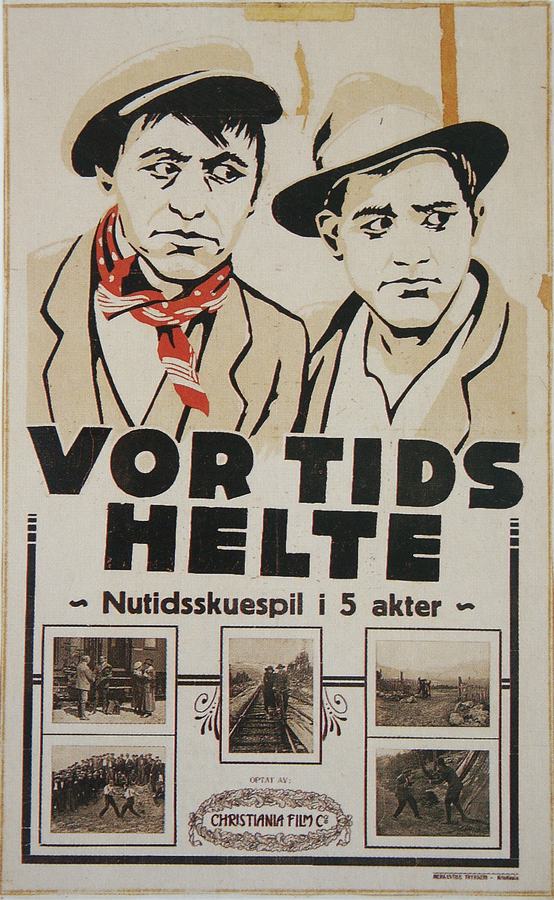
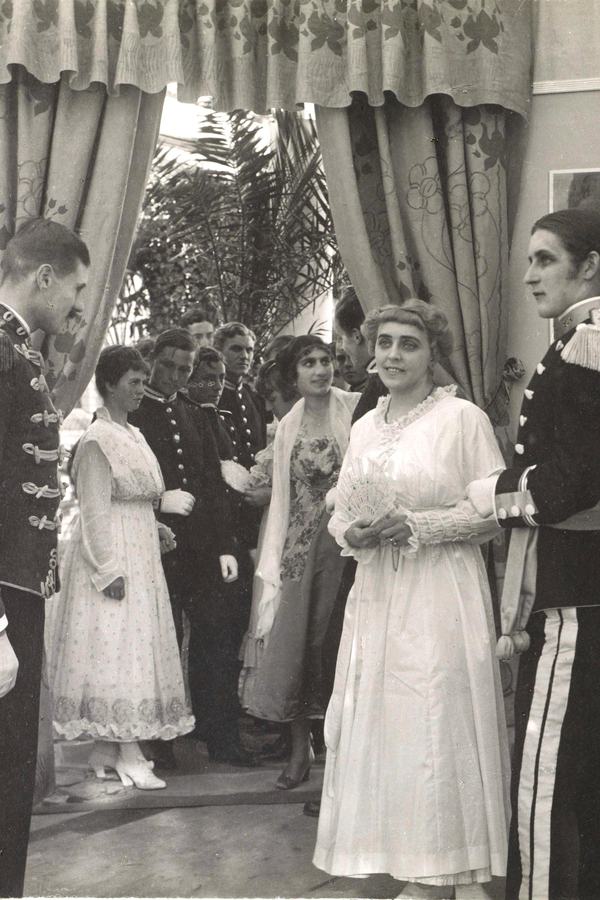
Beneath a granite-crowned massif where winter clings like a second skin, a clandestine fraternity of miners—calloused, half-starved, yet incandescent with Marxist conviction—gnaw at the entrails of the mountain, convinced each swing of the pick brings them closer to a workers’ Eden. Into this crucible of frost-bitten idealism slither two well-dressed jackals, ostensibly fresh hires, in truth emissaries of the company’s absentee barons: one a velvet-gloved tactician who quotes Ibsen while forging time-sheets, the other a raw-knuckled bruiser whose grin promises compound fractures. Their mission—sabotage the simmering strike, sow paranoia, deliver the mountain’s mineral heart to the boardroom before spring thaw. Yet the saboteurs misjudge the subterranean ecosystem: the pit’s choirboy-surgeon who sings Grieg while resetting crushed phalanges; the widowed blaster cradling dynamite like swaddled infants; the teenage runaway who maps tunnel veins in stolen crayon. Over charcoal nights lit only by helmet lamps, allegiances shift like tectonic plates; every murmur of the timber supports sounds like a jury deliberating. When the first avalanche of falsified payrolls buries the workers’ committee in scandal, the mountain itself seems to exhale vengeance: a methane cough, a lamp-flare, a spark. Suddenly the infiltrators are quarry, hunted through labyrinthine drifts by men and women who have already traded daylight for dignity and will trade blood for blood without a second blink. The climax unfurls in a cathedral-sized cavern where shadows jitter on basalt walls: a kangaroo court lit by carbide constellations, verdict delivered not by ballot but by pneumatic drill. Dawn finds the survivors ascending the lift, faces lacquered in ore dust and moral ambiguity, the mountain behind them groaning like an old god settling back into uneasy sleep.
A rebellion strike at a mountain work is infiltrated by crooks, and they have to rise up against the rotten apples in their work force.
Review Excerpt
"
A granite gullet, a carbide lantern’s stutter, and the metallic taste of insurrection—Vor tids helte drills into your cranium like a pickaxe finding pay-dirt.
Norwegian cinema’s 1915 offering, long buried under celluloid permafrost, detonates the myth of Scandinavian stoicism. Director Peter Lykke-Seest, novelist-turned-provocateur, swaps fjord idylls for a vertiginous pit where class warfare is not metaphorical but literal, measured in lungfuls of silica and the snap of femurs. The film’s No..."