DbcultAccessing Vault...
Cult Review
Senior Film Conservator
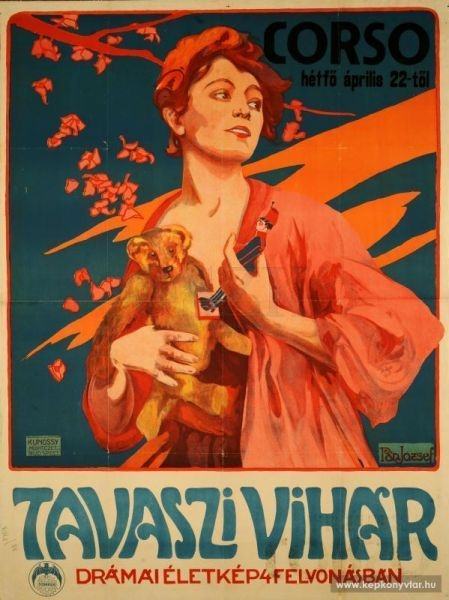
Ah, the allure of the forgotten, the whisper of celluloid ghosts from a bygone era! To resurrect a film like Tavaszi vihar (Spring Storm) from the annals of Hungarian cinema is not merely an act of archaeological preservation, but a profound cultural excavation. This cinematic artifact, a dramatic tapestry woven by László Békeffi, offers far more than a glimpse into early 20th-century filmmaking; it presents a riveting psychological exploration, a testament to the enduring power of human emotion against the backdrop of societal constraint. From its very opening frames, there’s an immediate sense of immersion into a world both familiar and hauntingly distant, a testament to the evocative power of silent storytelling, even when viewed through the lens of history.
The narrative, centered around the radiant yet conflicted Éva, portrayed with breathtaking fragility and nascent strength by Alice Rónay, unfurls with the delicate inevitability of the season it invokes. Rónay’s performance is a masterclass in silent expression, her eyes conveying volumes of unspoken yearning and trepidation. She is a woman on the precipice, tethered to the expectations of her provincial life, epitomized by an arranged engagement to István, a character brought to life by Lajos Gellért with a nuanced blend of earnestness and an almost tragic lack of imagination. Gellért ensures István is not a villain, but rather a victim of circumstance and convention, making Éva’s dilemma all the more poignant. His quiet despair as he senses Éva’s growing distance is palpable, a subtle undercurrent of sorrow that resonates long after the scene passes.
Then, like a sudden, exhilarating gust, enters Sándor, essayed with magnetic intensity by none other than Bela Lugosi. Long before his indelible transformation into Count Dracula, Lugosi possessed an inherent theatricality, a brooding charisma that was perfectly suited to the enigmatic artist he embodies here. His Sándor is not merely a love interest; he is a force of nature, a catalyst for Éva’s awakening. Lugosi’s portrayal is a fascinating study in nascent stardom, showcasing the very qualities that would later define his iconic career: a piercing gaze, a commanding presence, and an unsettling allure that hints at depths both passionate and perilous. The chemistry between Rónay and Lugosi crackles, a palpable current of illicit desire that electrifies the screen, making their clandestine meetings feel both dangerous and utterly irresistible. One particular scene, set by a blossoming cherry tree, where Sándor sketches Éva, captures the intoxicating blend of artistic passion and forbidden romance, each glance and gesture laden with profound meaning. It's a moment of pure cinematic poetry, underscored by the subtle interplay of light and shadow, a hallmark of the era's visual storytelling.
The film’s title, Tavaszi vihar, is a brilliant piece of foreshadowing, a metaphor for the emotional maelstrom that engulfs Éva. Spring, a season of renewal and burgeoning life, here becomes a crucible, forging a new, independent spirit within her, but also threatening to tear her world asunder. The societal pressures are personified not just by István, but by the watchful, often judgmental eyes of the community, represented by characters like Norbert Dán's stern village elder and Magda Jankovich's gossiping matron. Their collective disapproval forms an invisible cage around Éva, making her pursuit of passion a defiant act of rebellion. The screenplay by László Békeffi is remarkably astute in its understanding of these subtle social dynamics, allowing the audience to feel the weight of expectation pressing down on Éva without resorting to heavy-handed exposition. It's a masterclass in implication, where a fleeting glance or a hushed conversation speaks volumes.
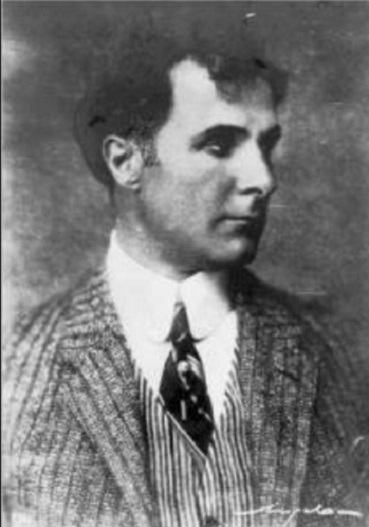
Beyond the central trio, the supporting cast lends invaluable texture to this rich tapestry. Bogyó Bánóczi, as Éva's world-weary but loving mother, offers a performance steeped in quiet resignation, a woman who understands the limitations placed upon her daughter but lacks the courage or means to defy them. Her silent pleas and worried expressions are incredibly moving, a counterpoint to Éva's burgeoning defiance. Myra Córthy, in a pivotal role as Sándor’s former confidante, adds a layer of intrigue and moral ambiguity, her character serving as a crucial bridge between Sándor’s mysterious past and Éva’s uncertain future. Her performance is understated yet impactful, revealing just enough to keep the audience guessing about Sándor's true nature. Aladár Fenyõ, as the pragmatic village doctor, provides a voice of reason, a grounding force in the swirling emotional tempest, his presence offering a brief respite from the melodrama, reminding us of the practical realities that often clash with romantic ideals.
The directorial hand, while uncredited in some records, demonstrates a profound understanding of visual storytelling. The use of natural light, the framing of figures against sweeping landscapes, and the meticulous attention to detail in set design all contribute to a powerful sense of place and atmosphere. There are moments of breathtaking beauty, particularly in the scenes depicting the Hungarian countryside in full bloom, which serve as a poignant contrast to the internal turmoil of the characters. The camera often lingers on Éva’s face, allowing her emotional journey to unfold with an intimate honesty, drawing the viewer deeply into her plight. This visual eloquence elevates the film beyond a simple melodrama, imbuing it with an almost poetic quality that resonates with the works of European silent cinema masters.
In its exploration of a woman trapped by circumstance and awakened by passion, Tavaszi vihar finds fascinating parallels with other films of its era. One might draw comparisons to the psychological intensity and gothic undertones of Malombra, where a woman grapples with a haunting past and an all-consuming love. Both films delve into the internal landscapes of their heroines, though Tavaszi vihar feels more grounded in social realism, even with its melodramatic flourishes. The societal scrutiny Éva faces also brings to mind the moral dilemmas present in films like Thou Shalt Not Steal or The Eternal Strife, where characters navigate rigid moral codes and the often-harsh consequences of their choices. These films, like Tavaszi vihar, serve as vital social commentaries, reflecting the anxieties and evolving values of their time, particularly concerning female agency and the boundaries of personal freedom.
There's also a thematic resonance with films exploring the clash between rural tradition and modern sensibilities, or the allure of the charismatic outsider, much like in The Call of the Cumberlands, albeit with a distinctly European sensibility. The stark contrast between István's grounded practicality and Sándor's artistic fervor is a classic trope, yet here it is handled with a sophistication that avoids caricature. The film’s strength lies in its ability to humanize all its characters, even those who might, in a less skilled hands, devolve into mere plot devices. The complexities of love, betrayal, and self-sacrifice are explored with an earnestness that transcends the limitations of silent film, proving that universal themes resonate regardless of technological advancements.
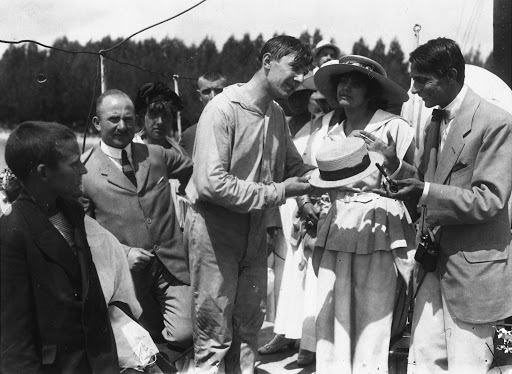
Lugosi's Sándor is not without his shadows. The film cleverly hints at a past that is less than pristine, a certain world-weariness and cynicism that contrasts sharply with Éva's youthful idealism. This ambiguity is crucial; it prevents Sándor from becoming a one-dimensional romantic hero and instead imbues him with a dangerous complexity. Is he merely a passionate artist, or is there a darker, more manipulative streak? This question lingers, adding a layer of suspense that keeps the audience engaged, much like the psychological thrillers of the era, such as The Devil at His Elbow, which often explored moral ambiguity and hidden motives. The very title 'Spring Storm' suggests that this passion, while beautiful, is also inherently turbulent and potentially destructive. It's a storm that brings cleansing rain, perhaps, but also leaves devastation in its wake. The film is unafraid to explore the less glamorous aspects of intense passion, the fallout, the heartbreak, and the difficult choices one must make when caught between two worlds.
The tragic trajectory of Éva’s choices is handled with a maturity that belies the film’s age. There are no easy answers, no simple resolutions. The ending, without revealing too much, is a powerful statement on the indelible marks left by love and loss, and the enduring strength required to rebuild a life shattered by unforeseen circumstances. It leaves the viewer with a lingering sense of melancholy, but also a profound admiration for Éva’s resilience. This is not a saccharine romance; it is a raw, unflinching look at the human heart in turmoil, a testament to Békeffi's skill as a storyteller and the cast's ability to convey such depth without uttering a single word. The film's conclusion is particularly striking for its refusal to conform to conventional happy endings, opting instead for a bittersweet resolution that feels earned and authentic. It forces the audience to ponder the true cost of freedom and the sacrifices made in the name of love.
In a landscape often dominated by American and Western European cinema, Tavaszi vihar serves as a vital reminder of the rich and diverse cinematic heritage of Central Europe. It offers a unique cultural perspective on universal themes, showcasing the burgeoning talent of Hungarian filmmakers and actors, particularly Lugosi, who would later achieve global recognition. The film’s technical prowess, from its cinematography to its editing, stands shoulder to shoulder with its contemporaries, demonstrating a sophisticated understanding of the medium's expressive potential. It’s a work that demands to be seen, studied, and celebrated, not just as a historical curiosity, but as a compelling piece of dramatic artistry that continues to resonate today. The restoration efforts, if any, that bring such films to modern audiences are invaluable, allowing us to connect with the emotional core of stories that might otherwise be lost to time. Without these efforts, a significant part of cinematic history, and indeed human history, would remain inaccessible.
The enduring power of Tavaszi vihar lies in its ability to transcend its era and cultural specificity. While it is deeply rooted in Hungarian life of the early 20th century, the themes it explores – the conflict between individual desire and societal expectation, the intoxicating and destructive nature of passion, the pain of betrayal, and the quiet strength of resilience – are timeless. These are the narratives that continue to captivate audiences across generations and geographies. The film, therefore, is not just a relic; it is a living, breathing work of art that continues to speak to the human condition with remarkable clarity and emotional depth. It reminds us that even in the absence of spoken dialogue, the language of the heart is universally understood, conveyed through the subtle nuances of performance, the evocative power of imagery, and the masterful craft of storytelling. It’s a cinematic experience that leaves an indelible impression, prompting reflection on the choices we make and the storms we weather, both within ourselves and in the world around us. A true gem, begging for wider rediscovery and appreciation.
IMDb 5.8
1919
Community
Log in to comment.