DbcultAccessing Vault...
7.8/10
Senior Film Conservator
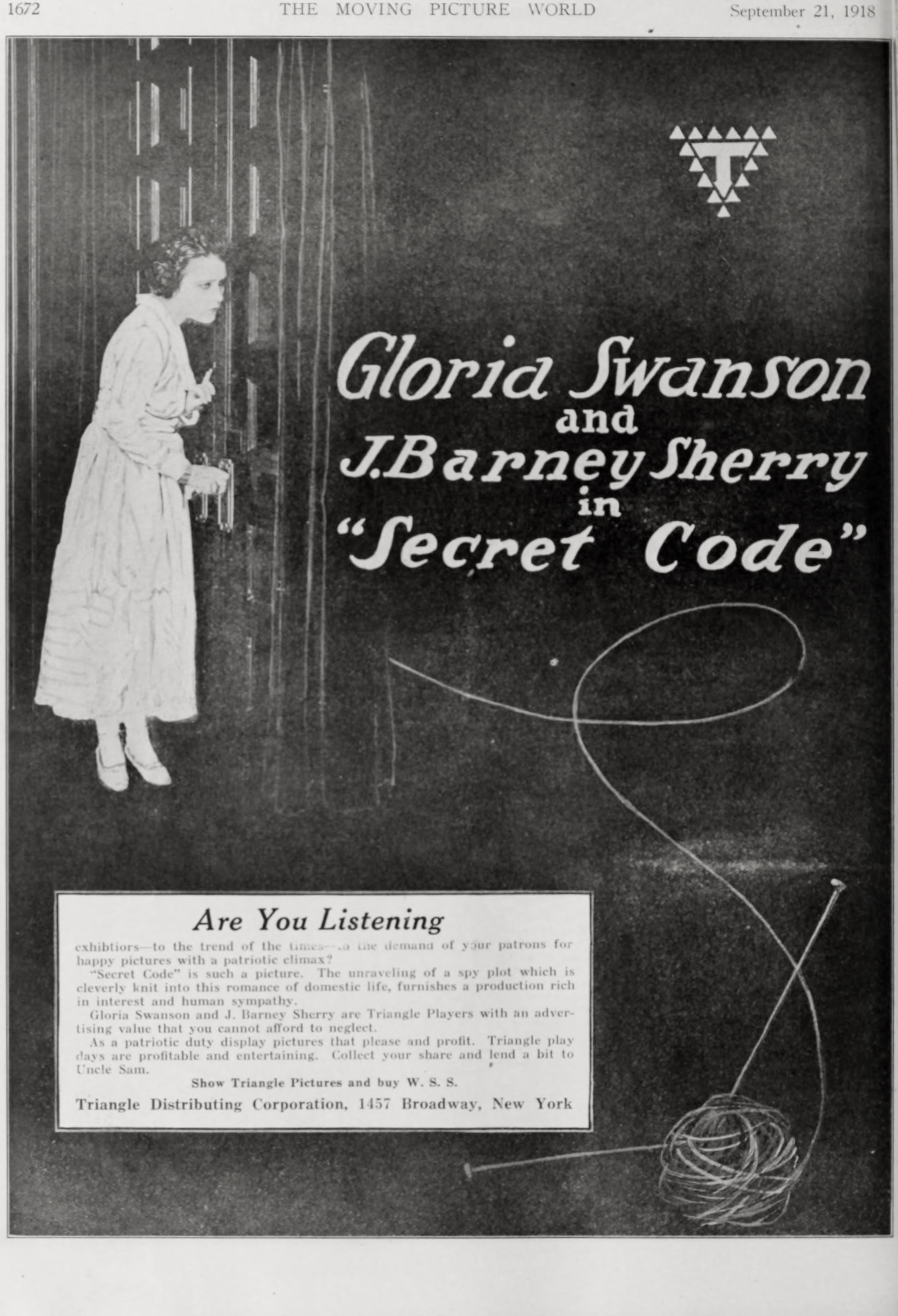
A definitive 7.8/10 rating for a film that redefined the boundaries of cult cinema. The Secret Code remains a cornerstone of transgressive art.
In the pantheon of early silent cinema, few films capture the pervasive anxiety of the late 1910s with as much inadvertent psychological depth as The Secret Code. This 1918 production, penned by the legendary Adela Rogers St. Johns, operates at the precarious intersection of domestic melodrama and the nascent spy thriller. The narrative follows Sally Carter Rand (portrayed with a delicate yet firm intensity by Dorothy Wallace), a woman whose marriage to an elderly senator places her at the epicenter of Washington’s high-stakes political theater. What begins as a portrait of societal grace quickly devolves into a Kafkaesque nightmare of surveillance and suspicion.
The brilliance of the screenplay lies in its utilization of the mundane. In an era where the fear of the 'other' was reaching a fever pitch—a sentiment echoed in contemporary works like Kaiser's Finish—the act of knitting is transformed from a virtuous feminine pastime into a subversive act of clandestine communication. The rhythmic clicking of Sally's needles is not merely a hobby; to the prying eyes of the state, it is a Morse-like transmission of naval secrets. This thematic pivot allows the film to explore the vulnerability of the private sphere when it is subjected to the harsh, distorting light of public scrutiny.
Directorially, the film leans into the shadows of the era. While it lacks the avant-garde experimentation of European imports like Der Andere, there is a distinct American pragmatism to its visual language. The camera lingers on Sally’s hands, elevating the act of knitting to a point of almost fetishistic importance. Every stitch becomes a potential treasonous dot or dash. This focus creates a claustrophobic atmosphere that mirrors Sally’s own predicament. She is trapped within the walls of her husband’s prestige, yet those very walls are porous, leaking suspicion to a world eager to find enemies in the most unlikely of places.
The supporting cast, including J. Barney Sherry and Joe King, provide a stoic, albeit somewhat rigid, framework for Wallace’s performance. Sherry, as the elderly senator, embodies the patriarchal order—a figure of stability that is nonetheless oblivious to the burgeoning crisis surrounding his wife. This dynamic of the 'unseeing protector' is a recurring trope in St. Johns' writing, often used to highlight the isolation of her female protagonists. Much like the characters in The Web of Desire, Sally must navigate a social minefield where her every gesture is indexed and interpreted by men who claim to know her better than she knows herself.
One cannot discuss The Secret Code without addressing the linguistic and visual subtext of the 'code' itself. In the early 20th century, the concept of a secret language was synonymous with the fear of foreign subversion. By placing this code within the domestic labor of a senator’s wife, St. Johns makes a startlingly modern observation: the state’s greatest fear is not the external invader, but the internal agent who operates within the sanctuary of the home. This subversion of the 'Angel in the House' archetype is what elevates the film above standard wartime propaganda.
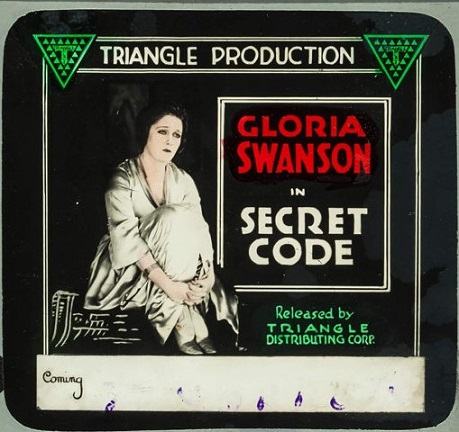
The film’s pacing is deliberate, almost agonizingly so, as it builds toward the inevitable confrontation. The tension is not derived from physical action, but from the slow erosion of Sally’s social capital. We see her friends turn away; we see the hushed whispers in the corridors of power. This social death is treated with the same gravity as a physical threat, a hallmark of the melodrama genre that films like A Mother's Ordeal also explored with varying degrees of success. However, The Secret Code distinguishes itself through its specific focus on the intellectualization of female labor. The knitting is not just work; it is a complex, misunderstood language.
The climax of the film—the revelation that the 'code' is merely a baby sweater—is a masterstroke of emotional manipulation and thematic closure. In one fell swoop, the film transitions from a spy thriller back into a domestic drama, but with a sharpened edge. The sweater is not just a garment; it is an artifact of innocence that shames the accusers. It exposes the absurdity of the masculine obsession with cryptography and war, contrasting it with the tangible, life-affirming reality of motherhood. This pivot is reminiscent of the emotional stakes in Enoch Arden, where the return to domesticity is both a relief and a tragedy.
In The Secret Code, the resolution is triumphant, yet it leaves a lingering bitterness. While Sally is cleared, the fact remains that her most private intentions—the preparation for a new life—were dissected and weaponized against her. This intrusion of the public into the private is a theme that resonates even more strongly in our modern era of digital surveillance. The film suggests that for a woman in the public eye, there is no such thing as a private act; every stitch is a statement, and every silence is a suspicion.
When compared to other films of the period, such as Her Life for Liberty, which takes a more overt and perhaps simplistic approach to patriotism, The Secret Code feels remarkably nuanced. Adela Rogers St. Johns was never one for simple moralities. Her characters often inhabit a gray space where their virtues are their vulnerabilities. Sally Carter Rand is not a traditional heroine in the sense of being a crusader; she is a woman trying to maintain a semblance of normalcy in an abnormal world. This groundedness is what makes her plight so relatable, even a century later.
Furthermore, the film’s treatment of the elderly senator husband avoids the easy path of villainy. He is not the antagonist; the antagonist is the collective psyche of a nation at war. The senator is a relic of an older world, one that is being rapidly replaced by a more cynical, watchful order. This generational clash is a subtle undercurrent that adds layers to what could have been a straightforward plot. It echoes the historical weight found in Ireland, a Nation, where personal stories are inextricably linked to the tectonic shifts of history.
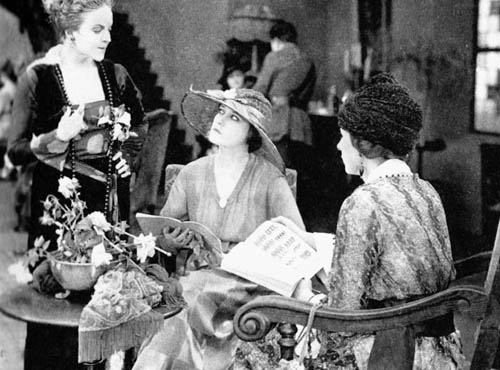
The cinematography of 1918 was often static, but in The Secret Code, there is a deliberate use of close-ups that feels ahead of its time. The focus on the knitting needles, the trembling of hands, and the darting eyes of the investigators creates a visual rhythm that substitutes for the lack of synchronized sound. The intertitles, too, are crafted with a certain literary flair, likely a result of St. Johns’ background in journalism and fiction. They do not merely convey dialogue; they provide a psychological roadmap for the audience.
The set design reflects the opulence of the Washington elite, providing a stark contrast to the 'ugly' nature of the accusations. The heavy drapes, the ornate furniture, and the formal attire all serve to emphasize the rigid social structures that Sally is accused of betraying. It is a world of appearances, and when those appearances are questioned, the entire structure threatens to collapse. This visual storytelling is as effective as the narrative beats in The Goose Girl, where social standing is both a costume and a cage.
Viewing The Secret Code today requires a recalibration of our expectations. It is a film of its time, yet it transcends its era through its keen observation of human nature and the mechanics of fear. It reminds us that the most powerful 'codes' are often the ones we write in our daily lives—the unspoken agreements of trust and the quiet rituals of care. Sally Carter Rand’s victory is not just a legal one; it is a reclamation of her right to be a woman, a mother, and a person beyond the reach of the state’s paranoid imagination.
While it may not have the epic scale of Knocknagow or the visceral impact of Torpedoing of the Oceania, The Secret Code holds a unique place in the history of the silent thriller. It is a film that rewards the patient viewer with its intricate plotting and its empathetic portrayal of a woman under fire. It stands as a testament to the power of the domestic sphere and the enduring strength of the truth, no matter how deeply it is buried under layers of wool and suspicion. In the end, the secret code was never about war; it was about the future, stitched together one row at a time.
For those interested in the evolution of the legal and social defense of the innocent in early film, a viewing of Public Defender offers a fascinating counterpoint to the domestic defense presented here. Similarly, the exploration of childhood and social standing in A Child of the Paris Streets provides further context for the era's obsession with reputation and moral purity.
IMDb —
1935
Community
Log in to comment.