Summary
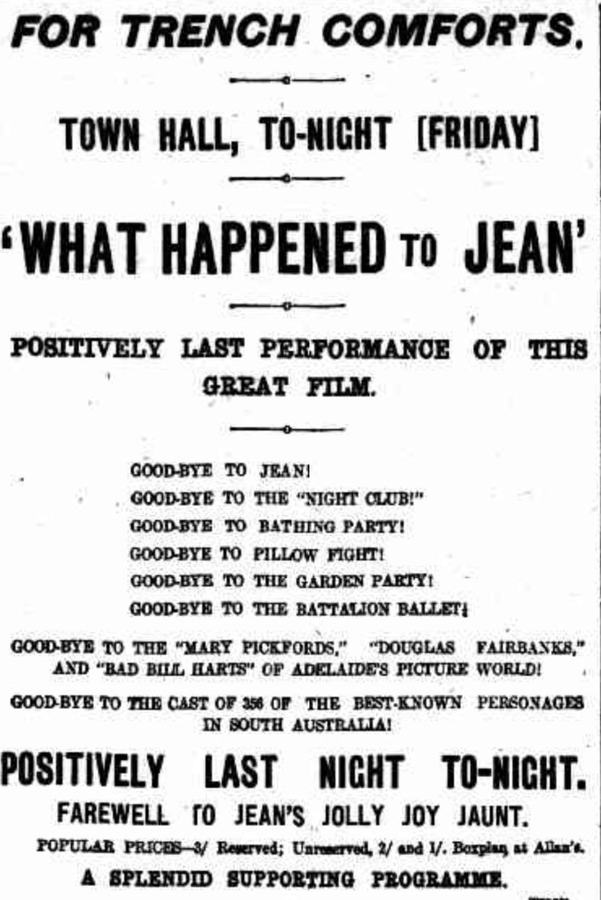
A lantern-lit fog clings to the coastal village like guilty breath the night Jean Arkwright, a fisher-girl whose laugh once cracked winter ice, slips from the pier and never surfaces. Months later her betrothed, the taciturn botanist Hugh Leland, returns from a Himalayan expedition clutching a rare bud that unfurls only when exposed to human grief; its petals mirror Jean’s missing face. Edith Crowe’s Jean haunts the frame without ever re-appearing—her silhouette scratched into emulsion, her voice folded into seashell gramophones that whisper tide tables in reverse. Price Weir’s Hugh, half-mad with methodical sorrow, dissects the village’s pieties: the priest who pockets confession coins, the postmistress who steamed open love-letters for perfume samples, the squire who insured Jean’s life the day she vanished. Each revelation blooms like iodine on a photograph, sepia bruises spreading. Herbert Walsh’s constable, terrified of the ocean, combs the beach at dawn, pocketing Jean’s hairpins like rosary beads. Mrs. Ernest Good’s matriarch stages séances where candle wax drips into the shape of Jean’s fractured initial, while James H. Anderson’s drunken ferryman rows in circles, convinced the moon is Jean’s skull bobbing offshore. Keith Yelland’s script refuses closure: the final reel shows Hugh planting the grief-flower on Jean’s watery grave; the blossom opens to reveal not nectar but saltwater—proof that memory, like the tide, forges its own evidence. The film ends on a freeze-frame of Hugh’s eye reflected in a tide pool, the iris superimposed with Jean’s silhouette eternally walking away, a Möbius strip of longing.
Review Excerpt
"
Lanterns gutter, gulls scream, and a girl dissolves into folklore: What Happened to Jean is less a whodunit than a who-breathes-in-the-salt. The film’s very title is an accusation hurled at the ocean, at the audience, at the projector beam itself.
A Negative Space Where a Protagonist Should Be
Keith Yelland’s screenplay treats absence like pigment. Jean is sketched via privation: her boots still upright by the hearth, her tea grown cold before the first sip, her name scratched off the parish ..."