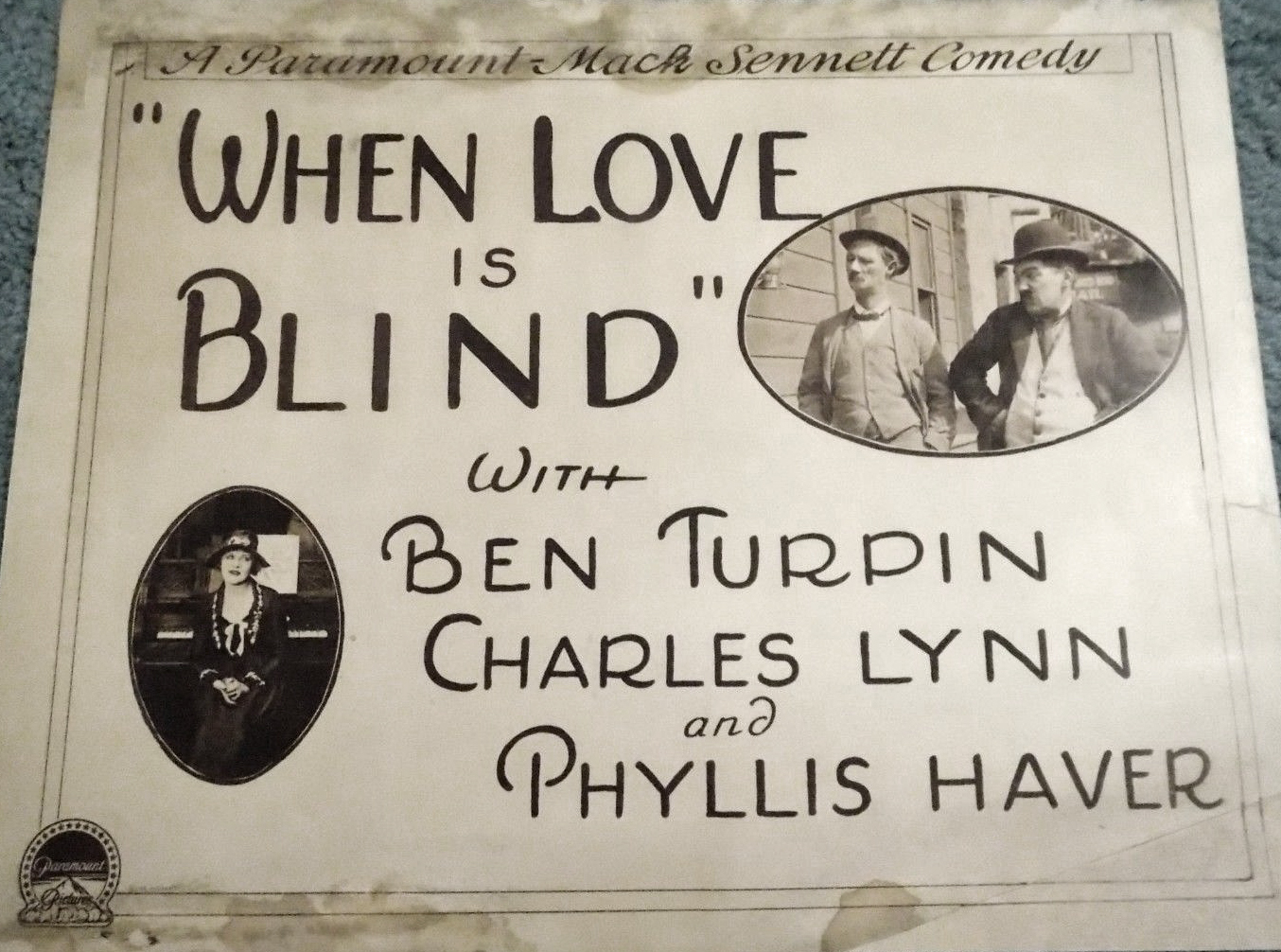

United States
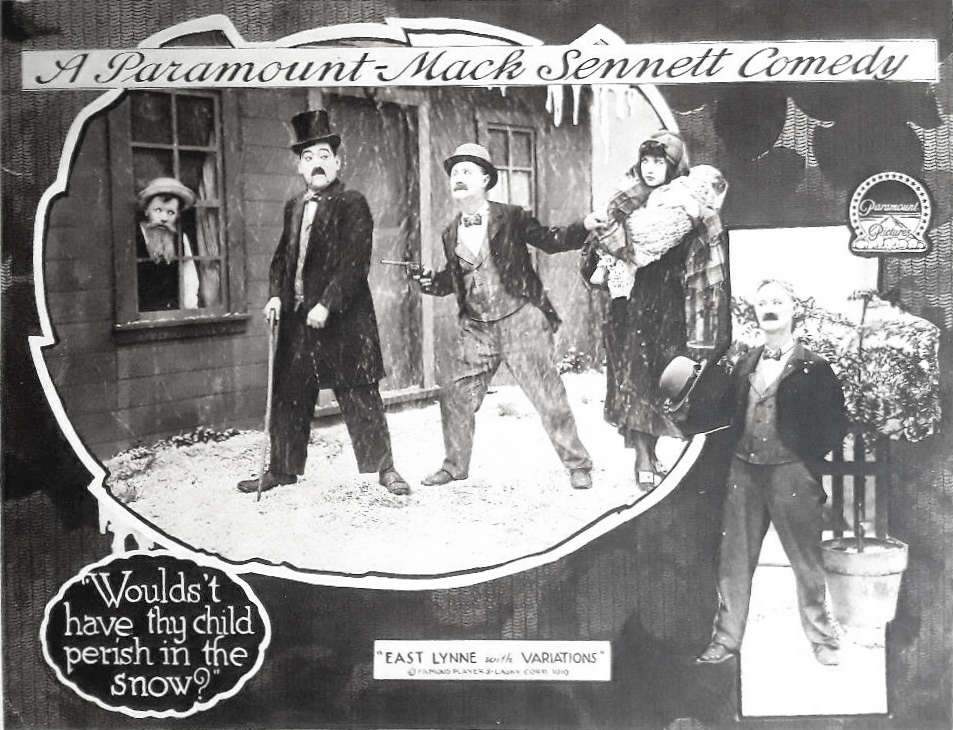
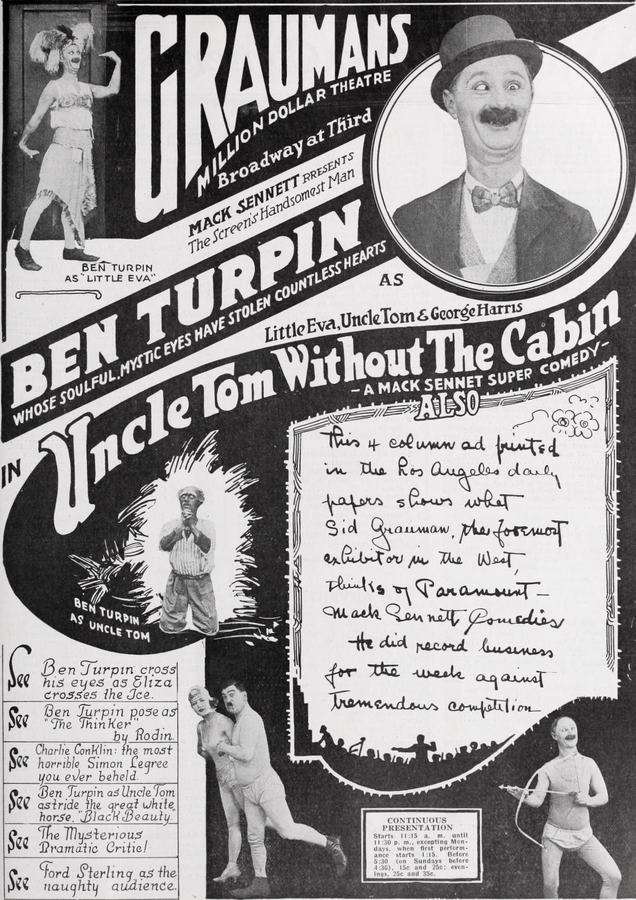
The year 1919 stood as a monumental pivot point in the evolution of cinema, a period where the primitive flickers of the nickelodeon era were being transmuted into the sophisticated visual language of the Roaring Twenties. Amidst this transition, Mack Sennett’s factory of fun remained the epicenter of comedic innovat...
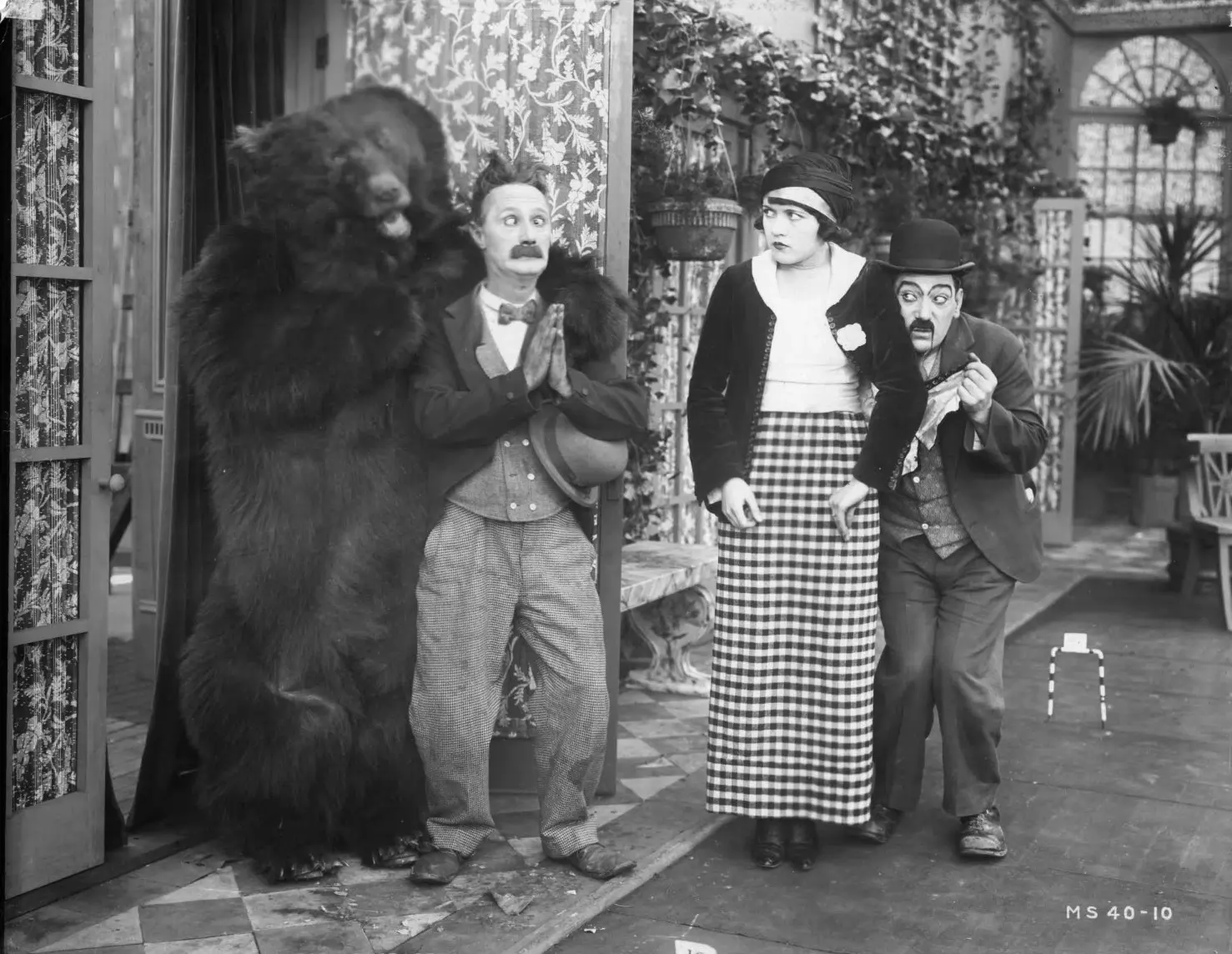
still_frame
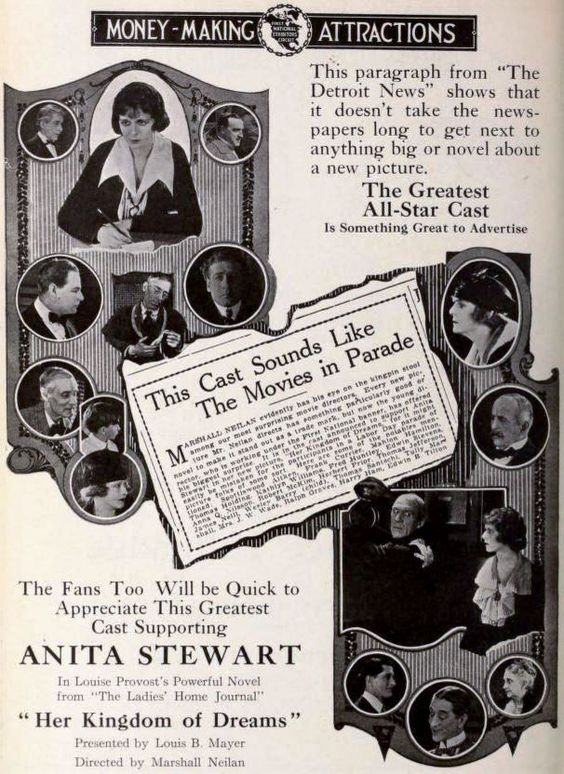
Comparing the cinematic DNA and archive impact of two defining moments in cult history.
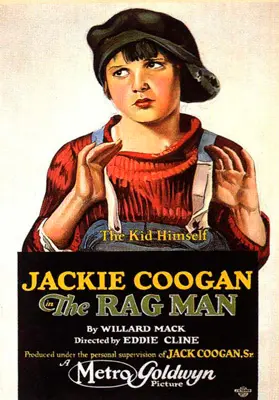
Edward F. Cline
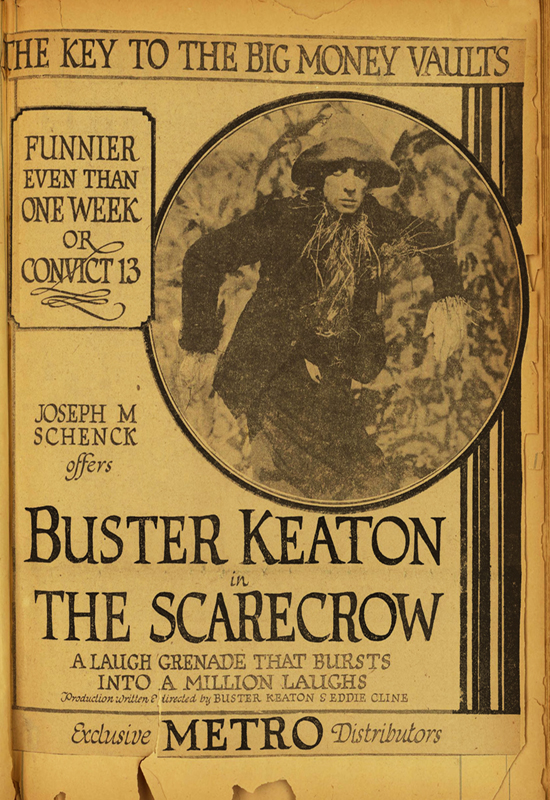
Edward F. Cline
Community
Log in to comment.
" The year 1919 stood as a monumental pivot point in the evolution of cinema, a period where the primitive flickers of the nickelodeon era were being transmuted into the sophisticated visual language of the Roaring Twenties. Amidst this transition, Mack Sennett’s factory of fun remained the epicenter of comedic innovation. When Love Is Blind is not merely a relic of this era; it is a vibrant, albeit chaotic, testament to the sheer physicality of early screen performance. While other contemporary..."
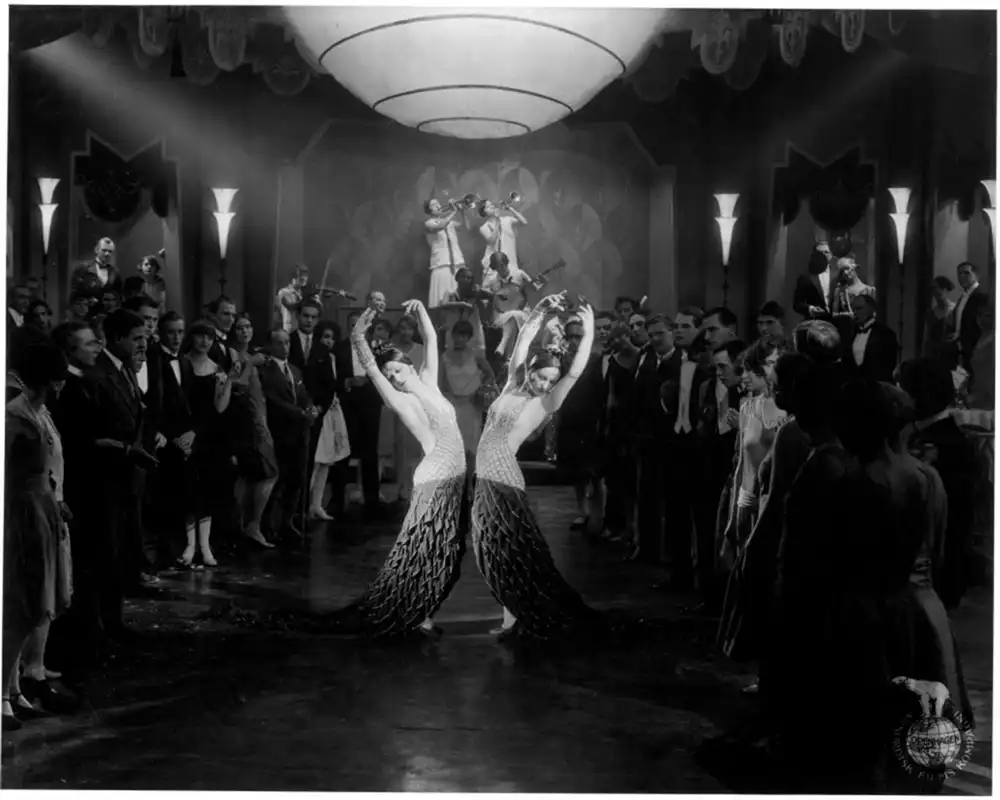
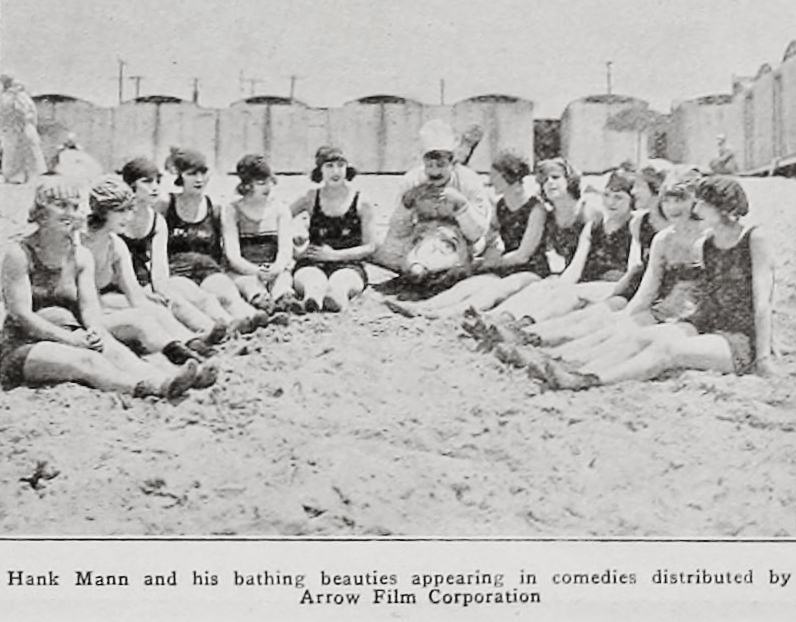
Deep dive into the cult classic
Discover similar cinematic experiences
A Directorial Spotlight on Edward F. Cline