Summary
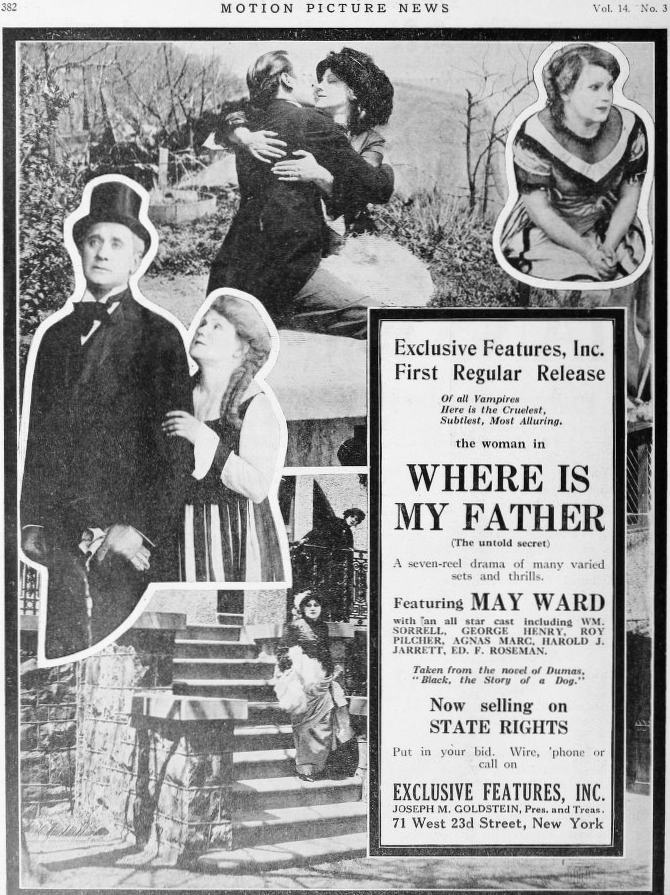
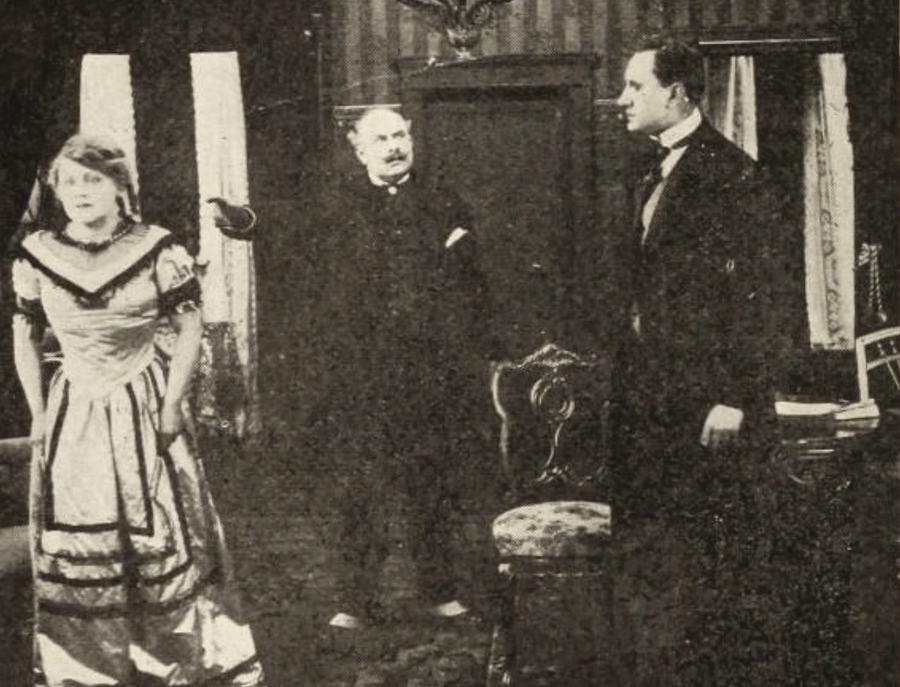
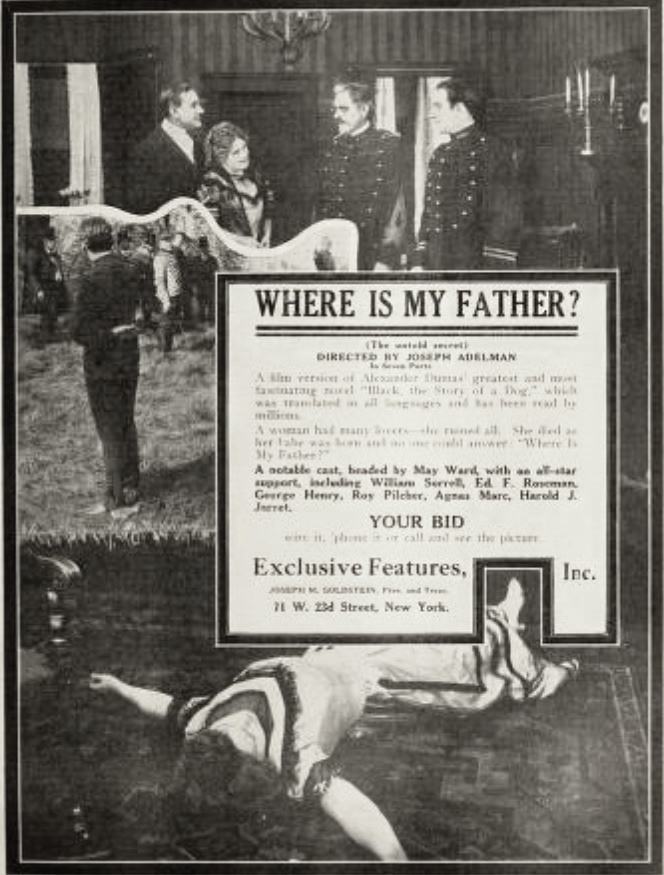
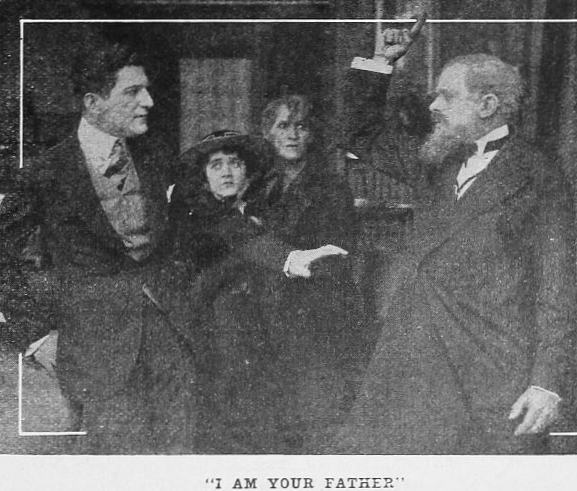
In an era where societal strictures often dictated one's destiny, "Where Is My Father?" unfurls the poignant odyssey of Elara, a young woman navigating the labyrinthine corridors of early 20th-century society, haunted by the specter of an absent patriarch. Raised in the humble, yet loving, embrace of a rural guardian, Elara's world is irrevocably altered by the discovery of a faded locket and a cryptic, half-burnt letter, remnants of a mother she barely remembers, Agnes Marc, hinting at a lineage far grander and more perilous than her modest upbringing suggests. This revelation ignites within her an unyielding quest to unearth the identity of her progenitor, a journey fraught with both hope and the crushing weight of societal judgment. Her path leads her from the pastoral tranquility of her youth to the bustling, often unforgiving, metropolis, a world dominated by the influential and enigmatic figures like Roy Pilcher and Edward Roseman, either of whom could hold the key to her past. Along the way, Elara confronts formidable adversaries, embodied by the calculating machinations of Harold J. Jarrett, whose vested interests in maintaining the veil of secrecy surrounding her birthright threaten to derail her every effort. William Sorelle, perhaps a complicit figure or a misguided ally, further complicates her pursuit. Yet, amidst the treachery and indifference, glimmers of human kindness emerge through characters like George Henry, a benevolent journalist whose investigative acumen and moral compass aid Elara in piecing together the fractured mosaic of her origins. The narrative culminates in a dramatic unveiling, a climactic confrontation that strips away years of deception, revealing not only the identity of her father but also the profound sacrifices and hidden sorrows that shaped her very existence. Elara's ultimate triumph lies not merely in finding her father, but in forging her own identity, understanding the intricate tapestry of love, betrayal, and resilience that defines her heritage.
Review Excerpt
"
Stepping into the cinematic landscape conjured by “Where Is My Father?” is akin to unearthing a forgotten diary, its pages filled with the fervent emotions and intricate social tapestries of a bygone era. This isn't merely a film; it's a profound excavation of identity, a relentless pursuit of truth that resonates with a timeless urgency. From the very outset, director Joseph Adelman, drawing upon the narrative gravitas often associated with the literary prowess of Alexandre Dumas,..."