DbcultAccessing Vault...
Cult Review
Senior Film Conservator
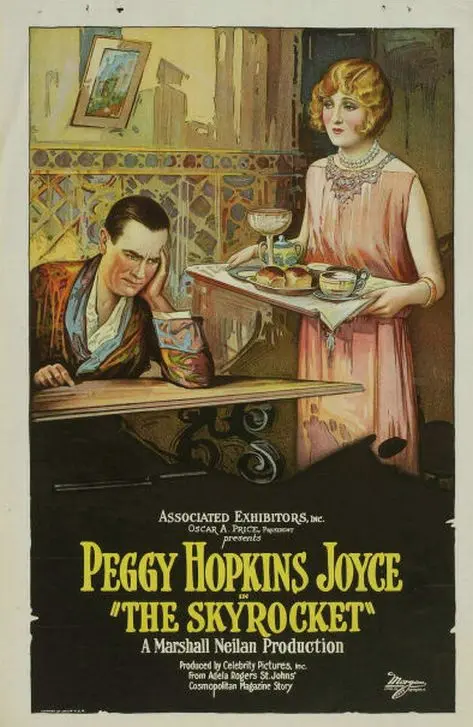
Is The Skyrocket worth watching today? Short answer: yes, but with significant caveats. This silent-era drama offers a fascinating, if sometimes dated, look at the perils of sudden fame, making it a compelling watch for cinephiles and those interested in early Hollywood's critical mirror. However, it might prove a challenging experience for viewers unaccustomed to the stylistic conventions and slower pacing of films from the 1920s.
This film works because of its surprisingly prescient critique of celebrity culture, offering a timeless reflection on the intoxicating, yet ultimately destructive, nature of sudden stardom.
This film fails because its narrative pacing occasionally drags, and some character arcs, while thematically sound, feel underdeveloped by modern standards, particularly in the rapid transition of Sharon's personality.
You should watch it if you appreciate historical cinema, complex portrayals of social commentary through melodrama, and the unique expressive power of silent film acting.
The Skyrocket (1926) is more than just a silent film; it's a cultural artifact, a mirror held up to the excesses and anxieties of the Jazz Age, specifically within the burgeoning, image-obsessed world of Hollywood. Directed by Marshall Neilan, this film attempts to dissect the intoxicating allure of fame and its often-devastating consequences on the human soul. It's a morality play dressed in flapper fashion, a cautionary tale that feels remarkably contemporary despite its age.
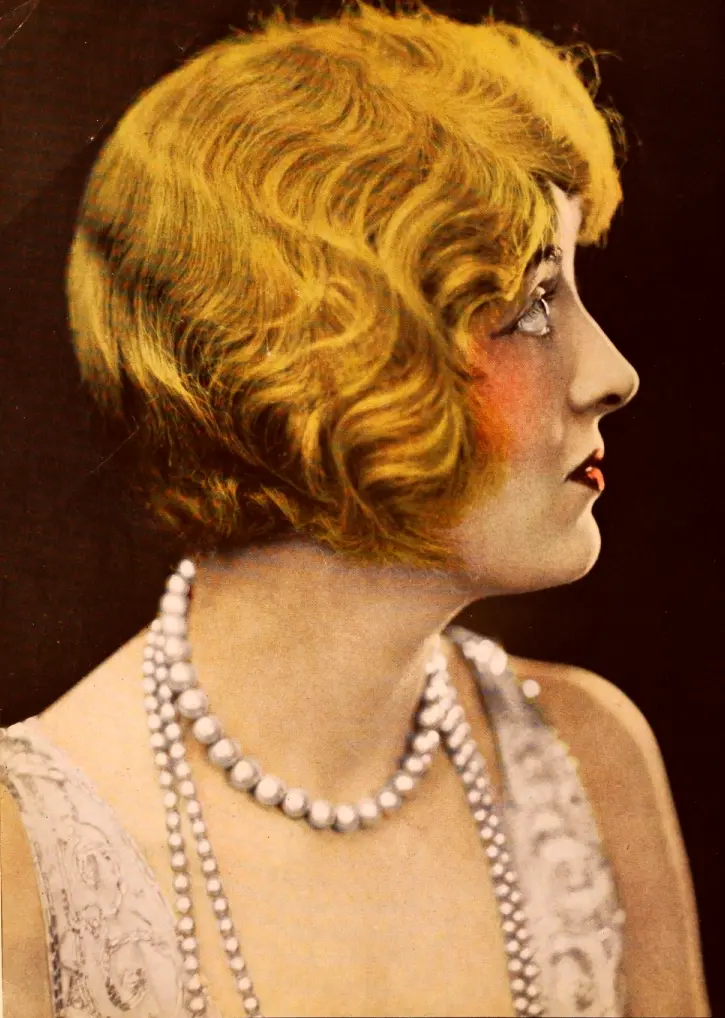
The film opens with a poignant prologue, establishing the humble, almost Dickensian, origins of Sharon Kimm and Mickey Reid. Their childhood bond, forged in the gritty reality of a tenement, is abruptly severed by Sharon's placement in an orphanage. This early scene, while brief, lays a crucial emotional groundwork that the film often struggles to maintain amidst the dazzling spectacle of Sharon's later life.
It’s a stark contrast that highlights the film's central theme: the chasm between authentic human connection and manufactured celebrity. The narrative quickly pivots to Sharon's meteoric rise, a journey so swift it almost feels like a dream. This rapid ascent into stardom, fueled by a screenplay penned by none other than the adult Mickey, is where the film truly begins its critique.
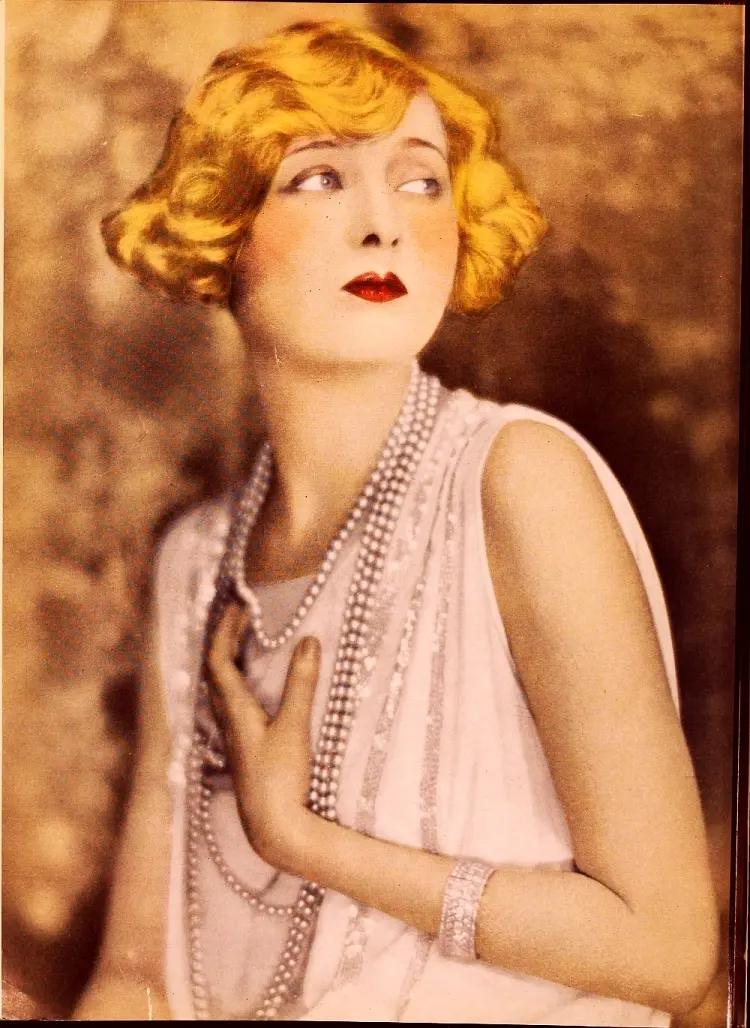
The casting of Peggy Hopkins Joyce as Sharon Kimm is nothing short of a brilliant, meta-textual stroke of genius. Joyce, a real-life socialite notorious for her lavish lifestyle, numerous marriages, and penchant for extravagance, embodies the very essence of the character she portrays. Her performance isn't just acting; it's an extension of her public persona, lending an undeniable authenticity to Sharon's self-centered spendthrift ways. When Sharon is shown throwing lavish parties or dismissing old friends, Joyce doesn't just play the part; she *is* the embodiment of flapper-era excess.
There's a fascinating ambiguity to Joyce's portrayal. Is she truly embodying the character, or is the character merely a thinly veiled caricature of herself? This blurring of lines makes Sharon Kimm a far more compelling, and at times uncomfortable, figure than a purely fictional creation might have been. Her expressions, often exaggerated as was common in silent film, convey a superficial charm that slowly hardens into a mask of indifference. Her descent from glittering idol to forgotten star feels less like a narrative arc and more like a public service announcement.
Arnold Gray, as the adult Mickey Reid, carries the weight of the film's moral compass. His performance is understated, a quiet counterpoint to Joyce's flamboyant Sharon. He represents the steadfast, authentic connection that Sharon abandons. Gray's presence is often relegated to the periphery, observing Sharon's self-destruction, which effectively positions him as the audience's surrogate. We see Sharon through his disappointed, yet ever-hopeful, eyes.
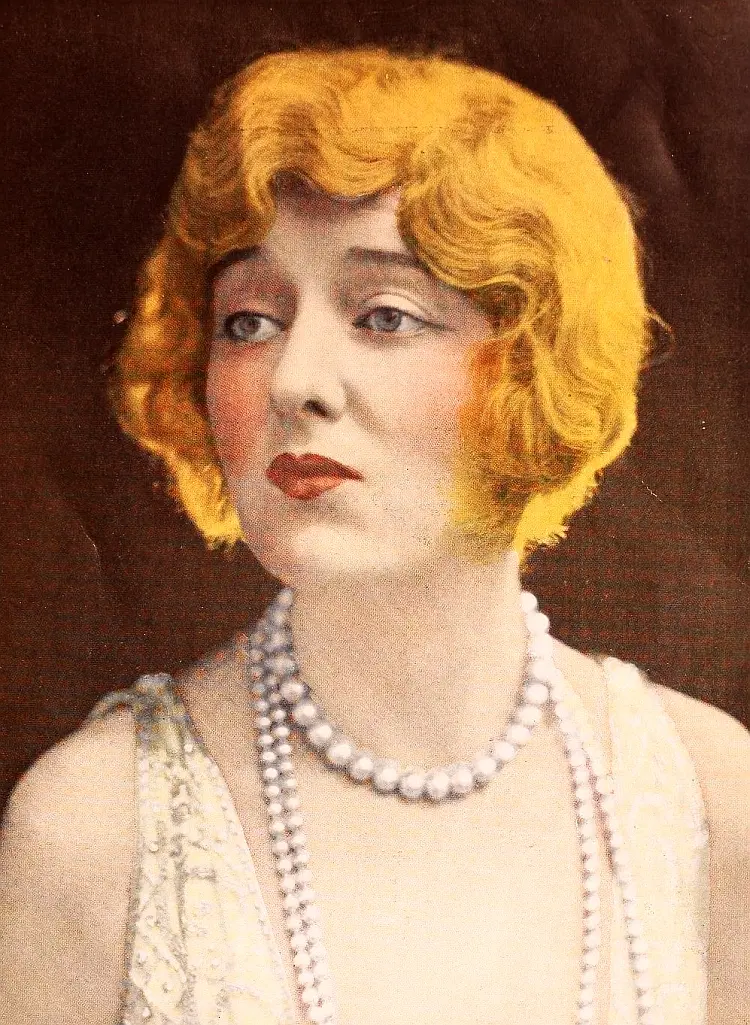
The film’s emotional core, however, is arguably established by Frank Coghlan Jr. as the young Mickey. His earnest portrayal in the prologue creates a foundation of innocence and genuine affection that makes Sharon's later transformation all the more tragic. It's a brief but impactful performance that anchors the emotional stakes of their reunion.
The supporting cast, featuring familiar faces like Eugenie Besserer and Gladys Brockwell, provide solid, if sometimes stereotypical, characterizations that round out Sharon's world. Their reactions to Sharon's rise and fall serve as crucial narrative signposts, underscoring the public's fickle nature.
Marshall Neilan's direction is largely competent, striving to capture the dizzying heights and crushing lows of Hollywood fame. He uses the visual language of silent cinema effectively, employing stark contrasts between the drab tenement scenes and the opulent, glittering sets of Sharon's Hollywood mansion. The quick cuts and montages depicting Sharon's rapid rise are particularly well-executed, conveying the whirlwind nature of sudden stardom.
However, Neilan sometimes struggles to maintain a consistent tone. While the film is clearly a drama, there are moments where the melodrama verges on the theatrical, even for the era. This isn't necessarily a flaw, but it does contribute to the film's occasionally uneven pacing. Compared to the nuanced visual storytelling seen in films like Erotikon, Neilan's approach here feels more direct, less poetic.
The cinematography, while not groundbreaking, is functional and often striking. The use of light and shadow, particularly in scenes depicting Sharon's isolated moments of reflection or her eventual downfall, is effective. One memorable shot shows Sharon, alone in her extravagant mansion, surrounded by the very luxuries that now feel like a cage. This visual metaphor is potent and lingers long after the scene concludes.
The film's pacing is a curious beast. The prologue is swift and impactful, quickly establishing the bond and separation. Sharon's ascent to stardom is depicted with a breathless energy, almost mirroring the speed of her success. This initial rush gives way to a more languid middle section, where the film indulges in showcasing Sharon's extravagant lifestyle. This can feel somewhat drawn out, as the audience is forced to witness her self-indulgence without much narrative progression.
The tone shifts dramatically from earnest melodrama in the beginning to a glittering, almost satirical portrayal of Hollywood excess, before settling into a more somber, reflective mood during Sharon's inevitable crash. This tonal whiplash can be jarring. While it effectively mirrors Sharon's own emotional journey, it can make the viewing experience feel a little disjointed. It's a film that demands patience, particularly from modern viewers accustomed to tighter, more consistent narrative rhythms.
One could argue that this unevenness is intentional, reflecting the chaotic nature of fame itself. But it’s a difficult tightrope walk, and The Skyrocket doesn't always maintain its balance. It works. But it’s flawed.
Absolutely, but with a clear understanding of what you're getting into. The Skyrocket is a fascinating window into 1920s cinema and a surprisingly relevant commentary on celebrity culture. It's a film that offers more than just historical curiosity; it provides a compelling, if somewhat heavy-handed, moral lesson.
The performances, particularly Joyce's, are captivating. The story, while a classic rise-and-fall narrative, gains depth from its specific historical context and the meta-casting. For those interested in the evolution of storytelling, the portrayal of women in early cinema, or simply a well-crafted silent drama, this film holds considerable value. It's not a light watch, nor is it a perfect film, but its strengths far outweigh its weaknesses for the right audience.
If you've enjoyed other social critiques from the era, such as The Upheaval, you'll find similar thematic resonance here. It’s a film that sparks discussion, which is always a sign of true value.
While not a flawless cinematic achievement, The Skyrocket is a compelling, often insightful, drama that holds significant value for those willing to engage with its particular charms and challenges. Its bold casting choice, combined with a surprisingly prescient theme, elevates it beyond a mere historical curiosity. It serves as a potent reminder that the pitfalls of fame are not a modern invention, but a timeless human struggle. It’s a film that asks us to consider what truly endures when the spotlight inevitably fades.
For its historical significance, its daring central performance, and its enduring message, The Skyrocket earns a recommendation, albeit with an asterisk for its vintage. It's a film that warrants discussion, a testament to the enduring power of cinema to reflect, critique, and sometimes, even predict, the human condition.
IMDb 6.4
1932
Community
Log in to comment.