DbcultAccessing Vault...
Cult Review
Senior Film Conservator
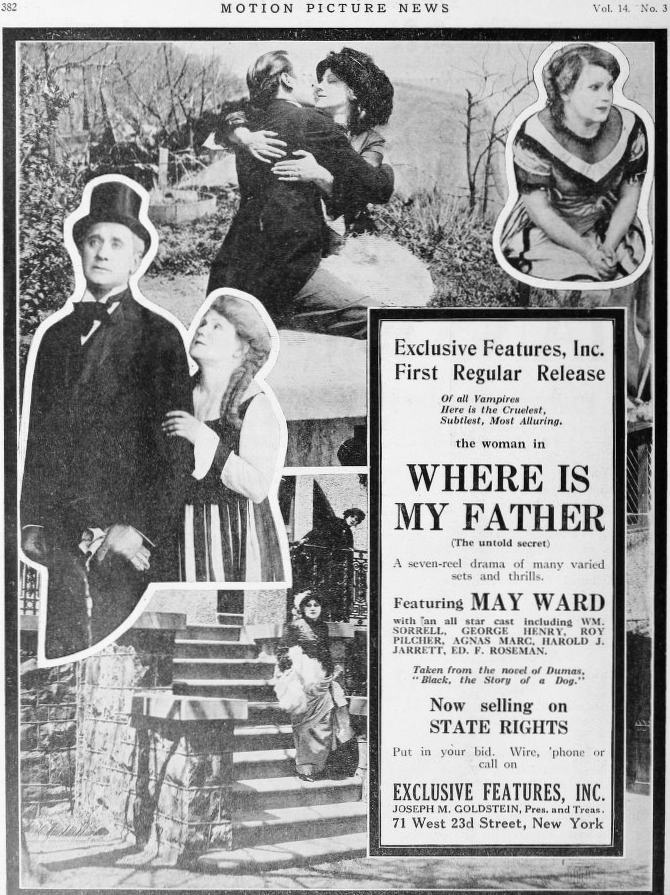
Stepping into the cinematic landscape conjured by “Where Is My Father?” is akin to unearthing a forgotten diary, its pages filled with the fervent emotions and intricate social tapestries of a bygone era. This isn't merely a film; it's a profound excavation of identity, a relentless pursuit of truth that resonates with a timeless urgency. From the very outset, director Joseph Adelman, drawing upon the narrative gravitas often associated with the literary prowess of Alexandre Dumas, crafts a world steeped in dramatic tension and moral ambiguity. The film, though perhaps an artifact from a distant past, speaks volumes about the enduring human desire for belonging, for understanding the roots that tether one to the grand tree of existence.
At its core, “Where Is My Father?” masterfully presents the arduous journey of Elara, portrayed with captivating vulnerability and fierce determination by May Ward. Ward’s performance is a beacon, illuminating the character’s internal struggles with a nuanced grace that belies the often-melodramatic tendencies of the period. She embodies Elara not just as a protagonist, but as an everywoman, grappling with universal questions of heritage and self-worth. Her initial scenes, characterized by a quiet longing amidst a backdrop of rural simplicity, establish a powerful contrast with the urban labyrinth she must later navigate. This early characterization provides a robust emotional anchor, ensuring that Elara’s subsequent trials feel deeply personal and relatable, rather than mere plot contrivances.
The catalyst for Elara’s quest – a fragmented letter and a worn locket – might appear a conventional narrative device, yet in Adelman’s hands, it becomes a potent symbol of inherited mystery. These objects are not just clues; they are tangible links to a past shrouded in secrecy, whispering promises of a grander lineage. The film’s narrative structure, influenced undoubtedly by the intricate plotting sensibilities of Dumas, meticulously unravels these secrets, revealing layers of societal expectation, hidden affections, and bitter betrayals. One might draw parallels here to the intricate familial deceptions found in a film like The Mystery of the Double Cross, though "Where Is My Father?" grounds its intrigue more firmly in personal drama rather than pure suspense.
As Elara ventures into the city, the film’s visual language shifts, reflecting her journey from innocence to experience. The cinematography, while perhaps limited by the technology of its time, effectively uses contrasting light and shadow to underscore Elara’s emotional state. Dark, imposing urban landscapes loom over her, symbolizing the formidable obstacles she faces, while fleeting moments of sunlight hint at hope and clarity. This visual storytelling complements the thematic exploration of class disparity, a recurring motif in works inspired by Dumas. We witness the stark divide between Elara’s humble origins and the opulent, yet often morally bankrupt, world inhabited by figures such as Roy Pilcher and Edward Roseman.
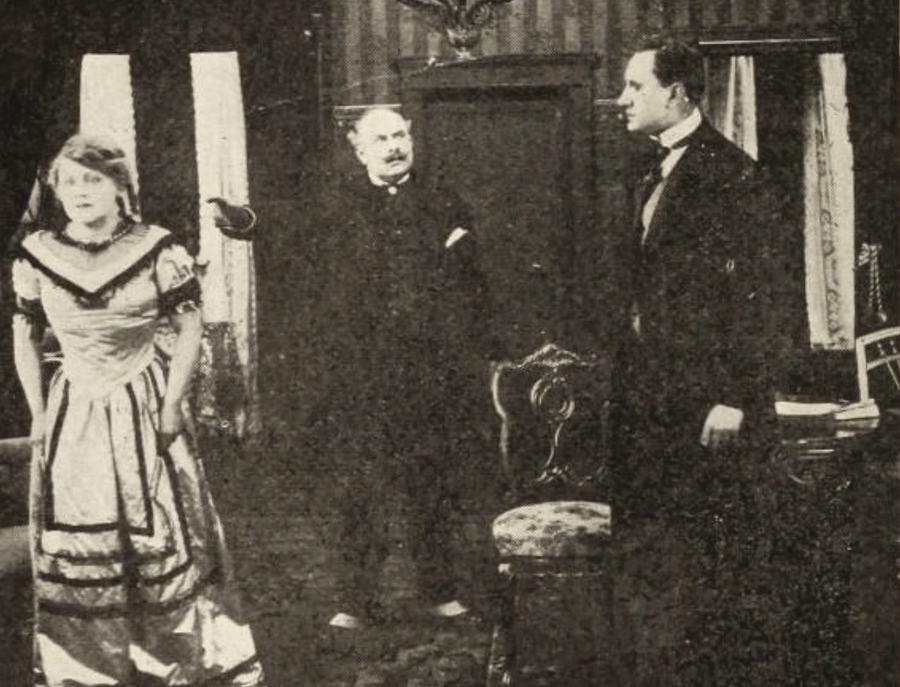
Roy Pilcher, cast in a role that demands both gravitas and a subtle undercurrent of vulnerability, delivers a performance that complicates our understanding of the 'father figure.' His character is not a simple hero or villain, but a man burdened by choices made in a different time, a man whose public facade often conceals deep personal regrets. Edward Roseman, conversely, embodies a more ambiguous presence, his motives initially unclear, adding another layer of intrigue to Elara’s investigation. The interplay between these seasoned actors creates a dynamic tension that propels the narrative forward, making every revelation, every encounter, feel significant. Their performances are less about overt theatrics and more about the quiet power of unspoken emotions, a hallmark of compelling dramatic acting.
The villains of this piece, primarily Harold J. Jarrett, are portrayed with an almost archetypal malevolence, yet with enough human dimension to prevent them from becoming caricatures. Jarrett’s machinations are driven by a ruthless ambition, a desire to protect his own interests and maintain the established order, regardless of the human cost. William Sorelle, perhaps as a reluctant accomplice or a conflicted observer, adds a fascinating layer to this antagonistic force, suggesting that even those who uphold injustice are not always monolithic in their evil. Their efforts to obscure the truth become a formidable barrier for Elara, highlighting the pervasive power structures that sought to control individual destinies in that era. The resilience displayed by Elara in the face of such adversity is a testament to the film’s underlying message of individual agency.
Agnes Marc, though primarily seen in flashbacks or through the memories of others, paints a vivid portrait of a woman caught between love and societal expectations. Her tragic backstory provides the emotional bedrock for Elara’s quest, adding a layer of pathos and a profound sense of inherited injustice. The film doesn't shy away from exploring the consequences of societal judgment on women, a theme that resonates powerfully with other dramas of the period, such as Her Shattered Idol, which also explored the devastating impact of reputation and betrayal.
Crucially, Elara’s journey is not a solitary one. She finds an unexpected ally in George Henry, whose portrayal of a conscientious journalist provides a moral compass and a practical source of aid. Henry’s character represents the burgeoning power of investigative reporting, a force capable of challenging entrenched power and bringing hidden truths to light. His intellectual curiosity and genuine empathy contrast sharply with the cynical world Elara often encounters, offering a glimmer of hope and justice. This partnership underscores a subtle but significant theme: that even in the most personal of quests, community and principled support can be transformative.
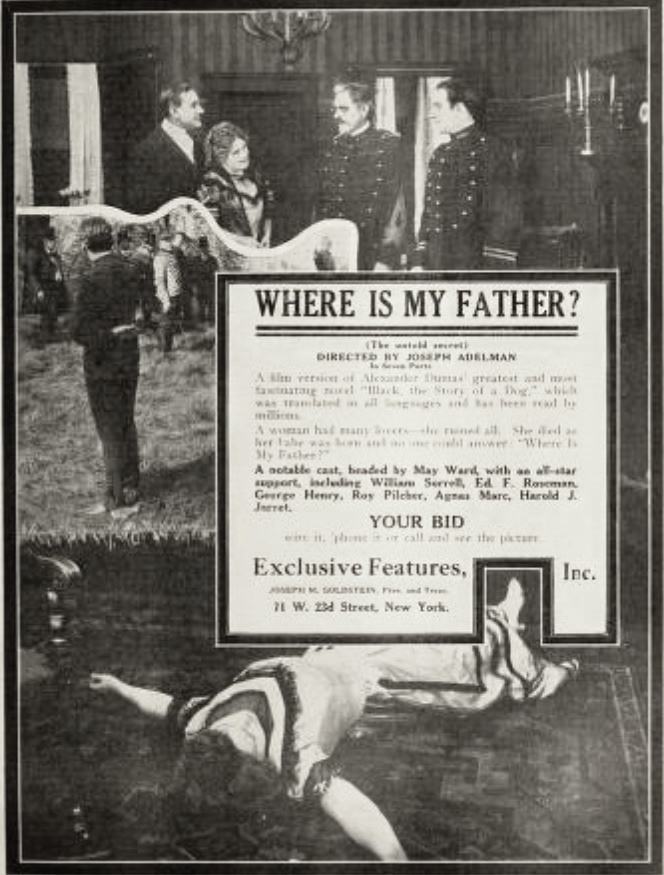
The screenplay, a collaborative effort between Joseph Adelman and the legendary Alexandre Dumas (whose influence is palpable in the grand sweep of the narrative), is a masterclass in building suspense and emotional resonance. It balances intricate plot twists with moments of profound character development, ensuring that the audience remains invested in Elara's fate. The dialogue, though period-appropriate, feels remarkably immediate, conveying deep emotions and complex motivations without resorting to overstatement. One can feel the Dumas touch in the dramatic confrontations and the unfolding of long-held secrets, reminiscent of the grand reveals in Christophe Colomb or the moral dilemmas in The Lash of Power.
The film’s pacing is deliberate, allowing moments of quiet reflection to punctuate the more intense dramatic sequences. This measured approach ensures that the emotional impact of each discovery is fully absorbed. The climax, a meticulously orchestrated scene of revelation and confrontation, is particularly powerful. It’s here that the various threads of the narrative converge, exposing not just the identity of Elara’s father, but also the intricate web of human relationships, sacrifices, and moral compromises that defined an entire generation. The emotional weight of this moment is palpable, leaving a lasting impression on the viewer. It’s a moment that could stand alongside the poignant resolutions of films like The Heart of Humanity, where personal truth triumphs over adversity.
Beyond the immediate plot, “Where Is My Father?” delves into profound philosophical questions about paternity, legacy, and the true meaning of family. Is a father defined by blood, or by the love and guidance he provides? The film subtly suggests that while biological ties are important, the journey of self-discovery and the forging of one’s own identity are ultimately more transformative. Elara’s resolution, though tinged with the bittersweet knowledge of past sorrows, is one of empowerment and self-acceptance. This thematic depth elevates the film beyond a simple melodrama, positioning it as a thoughtful exploration of the human condition.
The ensemble cast, including the understated yet effective contributions of Harold J. Jarrett, William Sorelle, and George Henry, all play their parts in weaving this intricate tapestry. Each character, regardless of screen time, feels essential to the narrative's momentum and emotional texture. Their interactions with Elara define her journey, shaping her understanding of the world and her place within it. The supporting performances provide crucial counterpoints to Ward's central portrayal, creating a rich, believable world.
From a technical standpoint, the film's production design and costume choices are meticulously crafted, transporting the audience directly into the early 20th century. The attention to detail in the set pieces, from the rustic charm of the countryside to the grandeur of urban estates, enhances the immersive quality of the storytelling. These visual elements are not mere backdrops; they are integral to the narrative, reflecting the social strata and emotional states of the characters. The choice of muted tones, punctuated by occasional splashes of vibrant color – perhaps a golden locket or a deep crimson dress – further emphasizes key narrative points or character attributes. The use of sea blue could denote moments of profound introspection or the vast, unknowable mysteries that Elara confronts.
In conclusion, "Where Is My Father?" stands as a testament to the enduring power of classic storytelling. It’s a film that, despite its potential age, speaks to contemporary audiences about the universal search for identity, the courage required to confront uncomfortable truths, and the profound impact of family secrets. It's a journey into the heart of human resilience, a compelling narrative that solidifies its place as a significant work of dramatic cinema. The film's nuanced performances, particularly May Ward's, combined with a meticulously crafted plot, ensure that Elara's quest for her father transcends a simple search for lineage, becoming instead a powerful exploration of selfhood and the intricate dance between destiny and choice. It’s a film that lingers in the mind, prompting reflection long after the final frame.
IMDb 5.9
1916
Community
Log in to comment.