Summary
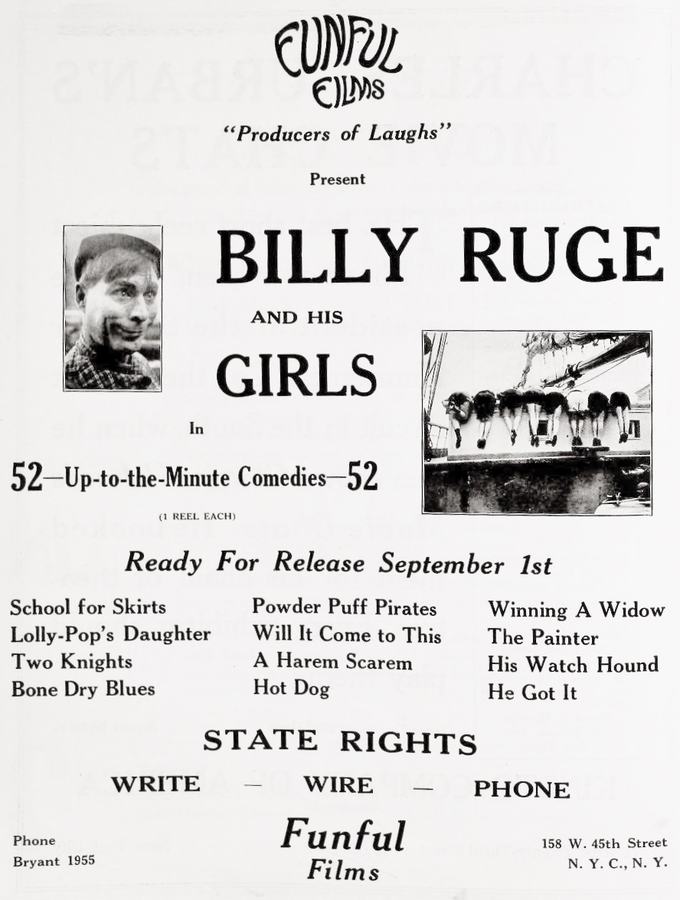
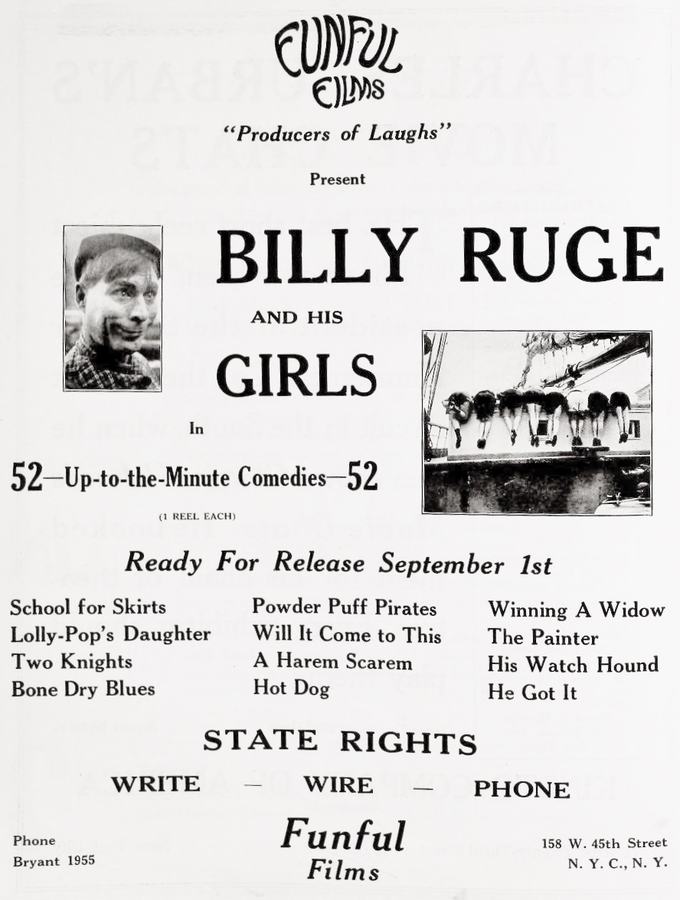
A dust-bitten prairie town, bleached the color of regret, becomes the stage for a carnival of unspoken appetites when a taciturn drifter—equal parts cardsharp and penitent—rides in on a windswept afternoon, pockets empty but eyes glittering with the knowledge that every widow carries a vault more valuable than any bank vault. The stranger, whose name the film never deigns to whisper, learns that the recently bereaved Mrs. Aurelia Vale, proprietress of a sagging boarding house, has inherited a cache of river-smoothed gold nuggets rumored to be cursed: each nugget, local gossip insists, demands a pint of human joy in payment. Over the course of seven sun-blistered days the newcomer insinuates himself into the widow’s shuttered life, teaching her poker-faced son to shuffle a deck like a riverboat shark, mending the warped clapboards of her porch as though reassembling his own fractured past, and nightly pacing the parlor carpet while the grandfather clock counts heartbeats instead of hours. The town’s cattle baron, a man whose laugh sounds like a branding iron hissing hide, wants the gold for a rail spur that would turn Main Street into a bone-yard of commerce; the preacher, collar yellowed with nicotine and doubt, wants it to build a whitewashed temple no one will attend; the drifter, however, begins to covet the widow herself, discovering that her grief tastes of ironwood and wild honey and that her silhouette against kerosene lamplight carves a loneliness he recognizes as his own mirror. When a midnight thunderstorm unlooses coal-black clouds overhead, the drifter and the widow unearth the iron-bound strongbox beneath a withered peach tree, only to find it stuffed not with gold but with river stones wrapped in yellowed newspaper headlines announcing disasters—an alchemical confession that her late husband had traded the fortune away for the solace of absinthe and rotgut years earlier. The baron’s hired guns arrive at dawn, spurs chiming like predatory bells; the preacher brandishes a Bible hollowed out to hold a derringer; the widow, dressed in her funeral crêpe, bargains for the drifter’s life by offering the one treasure she has left—the deed to her house, signed in blood because ink has grown too precious. In the ensuing shoot-out, filmed in chiaroscuro that makes every muzzle flash look like a star imploding, the drifter’s shadow is pinned against the barn door, perforated yet upright, while the widow’s son, hiding in the hayloft, memorizes the sound of every bullet so he can replay them in nightmares for the rest of his life. Come sunrise, the baron lies face-down in the hog wallow, the preacher’s hollow scripture flutters apart in the breeze, and the drifter—two slugs in his lung and one in the narrative—mounts a pale horse that might be death or merely rented transportation, tipping his hat to the widow as though romance were a card trick he never quite mastered. Aurelia, left with splintered wood, a silence wide as the prairie, and a front door that will never again fully close, places the last unspent bullet on her mantle beside the nuggets that were only ever river stones, understanding that the true curse was never gold but the mirage of rescue. The final shot cranes upward until the town becomes a smudge, the widow a dot, the drifter’s trail a faint scar across the grassland, while the sky—indifferent, turquoise, eternal—keeps its own ledger of wins and losses written in vapor and light.
Review Excerpt
"
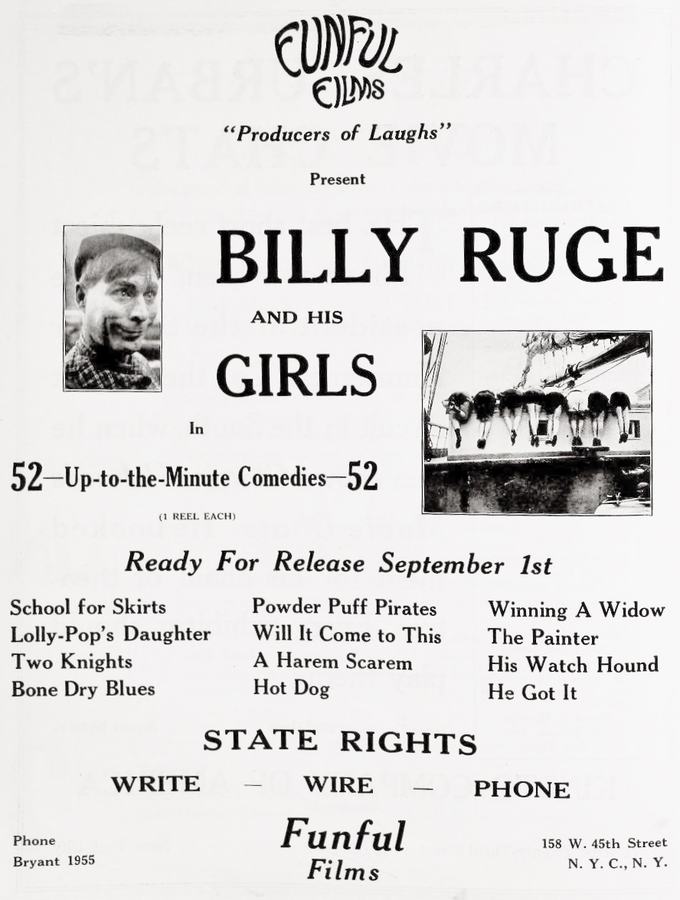
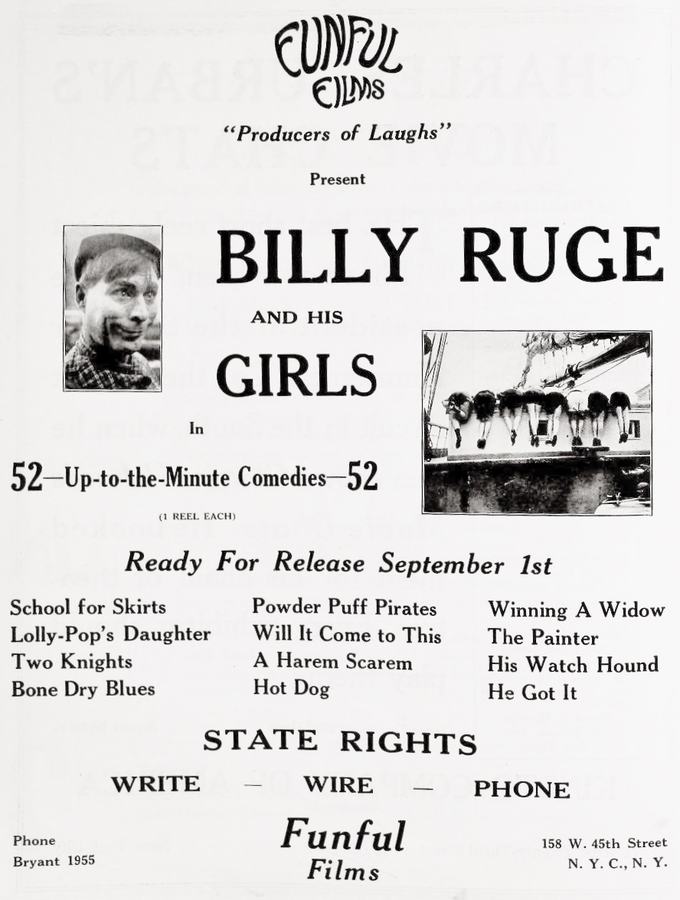
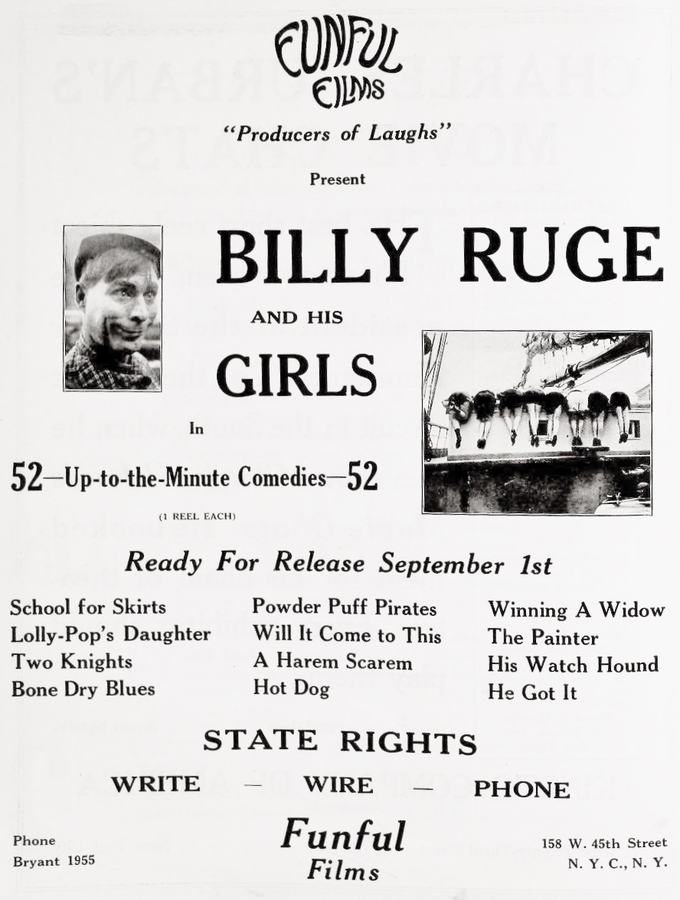
Tom Bret’s screenplay arrives like a telegram from the subconscious of American myth, its ink smelling of cordite and peach blossom, its sentences folded so tightly they seem to whisper even when read silently. Winning a Widow refuses the cheerful gallop of contemporaries such as Boots and Saddles; instead it limps, deliberately, on the crutch of moral ambiguity, daring viewers to root for a hero who cheats at cards and possibly at redemption.
Billy Ruge, saddled with a role that demands he act..."