DbcultAccessing Vault...
6.2/10
Senior Film Conservator
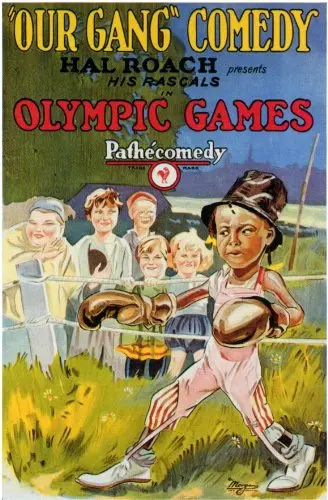
A definitive 6.2/10 rating for a film that redefined the boundaries of cult cinema. Olympic Games remains a cornerstone of transgressive art.
Should you invest twenty minutes of your life into a silent short from 1927? Short answer: Yes, but only if you value the raw, unpolished energy of early slapstick over a cohesive plot. This film is essential viewing for those interested in the evolution of the 'Our Gang' ensemble, but it will likely frustrate modern viewers who demand logical character motivations or high-definition clarity.
This film works because it captures the authentic, messy anarchy of children at play without the heavy-handed sentimentality that would later plague the series. It fails because it relies too heavily on a single, repetitive auditory gag—the 'razzberry'—which loses its comedic impact by the third iteration. You should watch it if you want to see the legendary Farina and Joe Cobb at the height of their physical comedy prowess in a setting that feels genuinely lived-in.
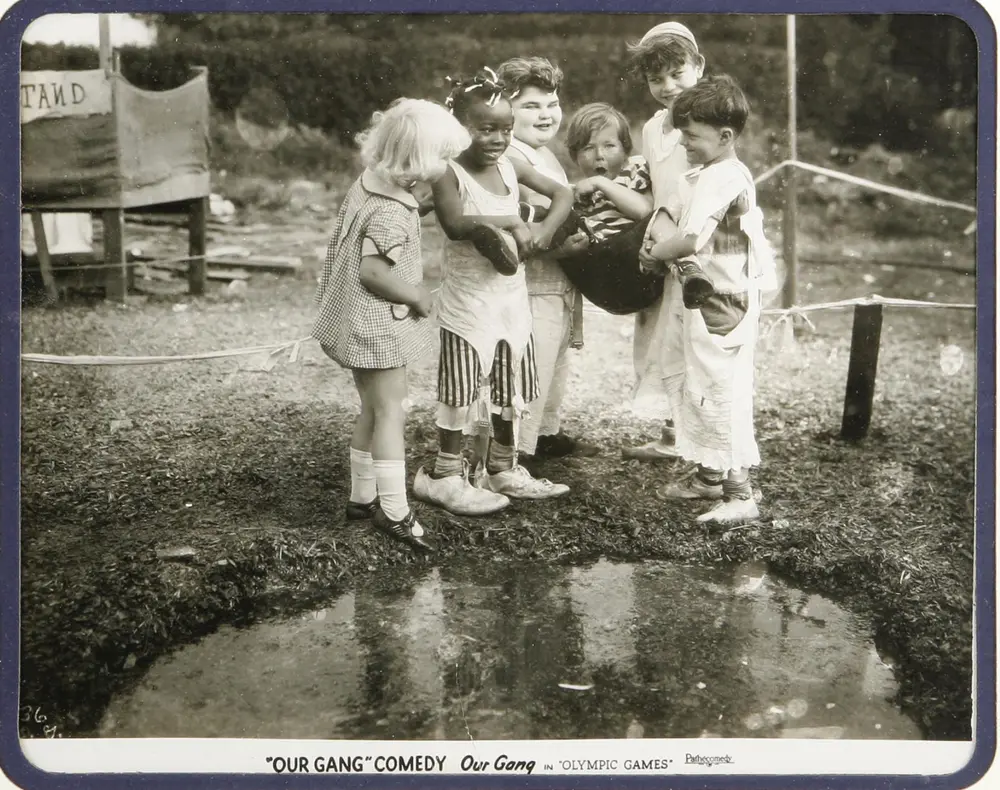
Yes, 'Olympic Games' is worth watching for its historical value and its uninhibited physical comedy. Unlike modern children's programming that feels sanitized and over-rehearsed, this 1927 short feels like a documentary of a scrap-heap childhood. The kids are dirty, the stakes are low, and the humor is derived from genuine physical struggle. If you can appreciate the technical limitations of the era, there is a rhythmic beauty to the way Hal Roach choreographs the chaos.
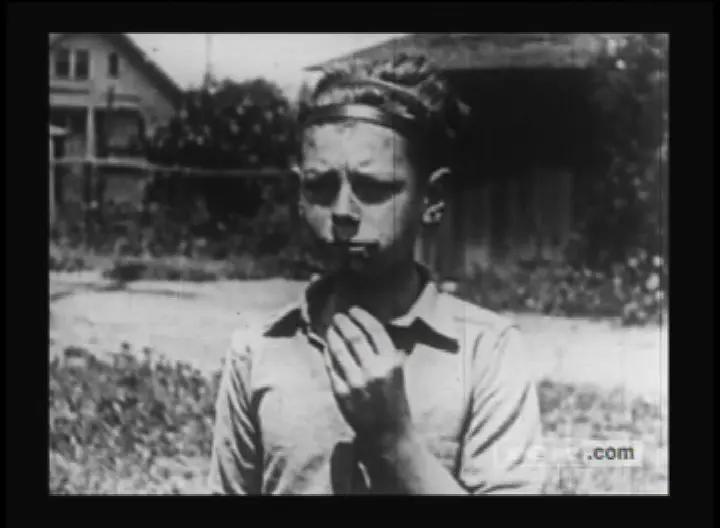
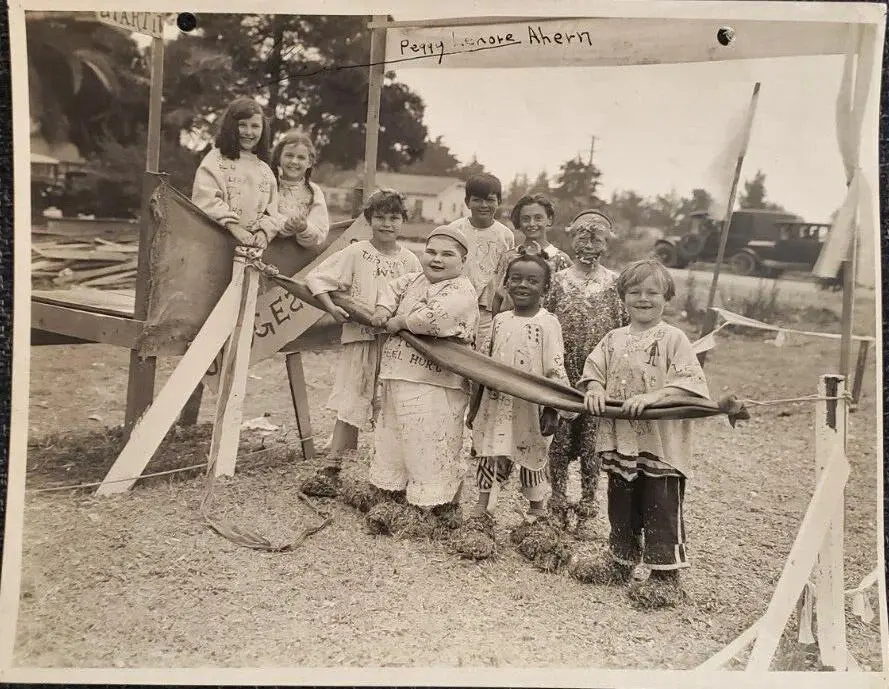
The centerpiece of 'Olympic Games' is undoubtedly the mud hole. In a sequence that feels both cruel and hilarious, the Rascals attempt to navigate various track and field events, only to be swallowed by a deep, dark pit of muck. Take, for instance, the shot put scene involving Joe Cobb. The physical comedy isn't just in the weight of the object, but in the anticipation of the failure. When the 'shot' is revealed to be something other than a heavy metal ball, the payoff is immediate and messy.
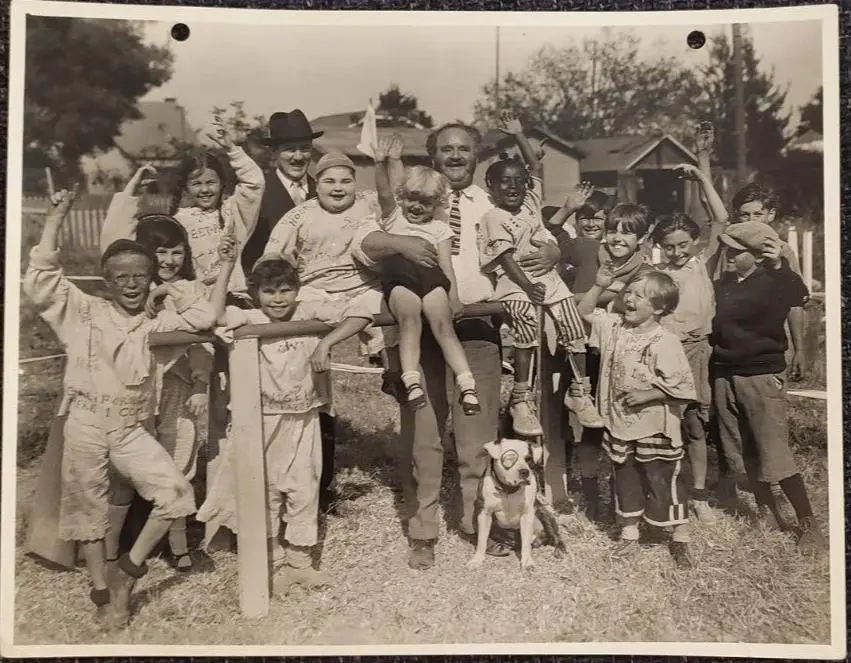
The cinematography by Art Lloyd is functional rather than expressive, but it serves the slapstick well. By keeping the camera at a medium distance, Lloyd allows the viewer to see the entire group dynamic. We see the reaction of the 'audience'—the other children—at the same time we see the 'athlete' fail. This creates a communal sense of humor that was a hallmark of the early Our Gang shorts, similar to the group dynamics seen in The Jazz Hounds.
This short marks an early appearance for Bobby 'Wheezer' Hutchins, and he is used effectively as a disruptive force. Hidden away with his dog Punch, Wheezer provides the 'Bronx cheer' that fuels the film's conflict. It is a bold move to base a silent film's conflict on a sound, but H.M. Walker’s title cards do the heavy lifting. The 'razzberry' becomes a character in itself, an invisible antagonist that drives the older boys to fits of rage.
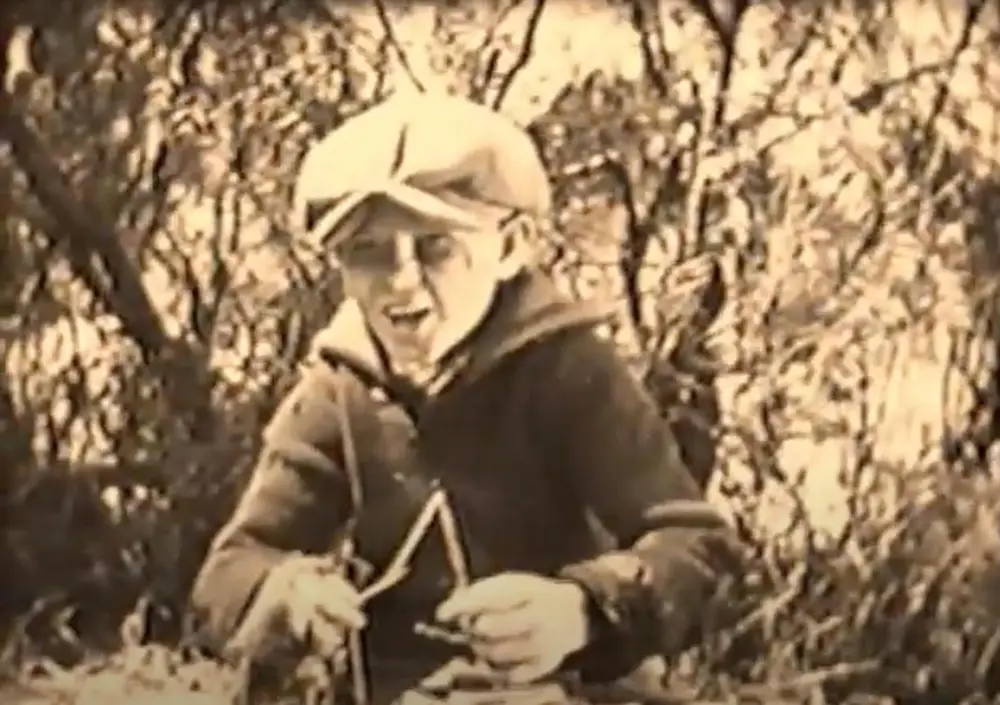
The 'thumping' of the innocent boy is a trope of the era that might sit uncomfortably with modern audiences. However, within the context of 1920s comedy, it represents the classic theme of mistaken identity. The Rascals aren't malicious; they are simply reacting to a perceived insult with the only tools they have: their fists and their feet. It is a primitive form of justice that mirrors the playground politics of the time.
Robert F. McGowan’s direction is invisible in the best way possible. He doesn't try to over-direct the children. Instead, he sets up a scenario and allows their natural personalities to shine through. Allen 'Farina' Hoskins remains the standout performer, possessing a screen presence and a sense of timing that many adult actors of the time lacked. His reactions to the various athletic failures are more nuanced than the broad slapstick surrounding him.
The pacing is brisk, though the middle section feels a bit bloated with redundant hurdle jumps. The film could have benefited from a more varied set of gags. Compared to more ambitious shorts like The Idle Rich, 'Olympic Games' feels like a minor work, but it is a consistent one. It knows exactly what it is: a series of vignettes centered around the idea that kids trying to act like adults is inherently funny.
Pros:
Cons:
It is interesting to note the cultural impact of the Olympics in 1927. The Stockholm games mentioned in the plot actually took place in 1912, but the film uses the 'Olympic' brand as a universal symbol of prestige. By contrasting the high-minded ideals of the Olympics with the low-brow reality of the Rascals' mud pit, Hal Roach creates a satire of adult institutions. This was a recurring theme in the 'Our Gang' series—taking an adult concept and letting children ruin it with their honesty and clumsiness.
The film also serves as a window into the past. The clothing, the makeshift equipment, and even the dog Punch provide a glimpse into a world that was rapidly changing. While films like The Golden Goal focused on more professional sporting narratives, 'Olympic Games' stays grounded in the dirt. It is a reminder that for most children, the 'Olympics' were something that happened in their own backyards.
'Olympic Games' is a dusty, mud-caked relic that still manages to elicit a few genuine belly laughs. It isn't the most sophisticated entry in the Hal Roach catalog, but it is one of the most energetic. It works. But it’s flawed. The film captures a specific moment in cinematic history where the charm of the performers was enough to carry a paper-thin premise.
Ultimately, 'Olympic Games' earns its place in the silent comedy canon through sheer persistence. It doesn't have the emotional depth of later sound-era shorts, but it has a kinetic spirit that is hard to ignore. If you can look past the grain and the occasional cruelty, you'll find a group of kids who were, in their own way, the greatest athletes of the silent screen.
IMDb 5.7
1934
Community
Log in to comment.